Free pickup & delivery in SF + Peninsula · (650) 675-8160 · (510) 240-7360 Mon–Fri 9–5

Blog

  • Rug Cleaning Myths Busted: 8 Things You’ve Been Told That Are Dead Wrong

    Rug Cleaning Myths Busted: 8 Things You’ve Been Told That Are Dead Wrong

    Rug Cleaning Myths Busted: 8 Things You’ve Been Told That Are Dead Wrong

    The internet is full of rug cleaning advice. Social media influencers sprinkle baking soda on everything. Your neighbor swears by steam cleaning. Someone on a forum told you to never clean your rug at all.

    Some of this advice is harmless. Some of it will destroy your rug. After 47 years of fixing problems caused by well-intentioned bad advice, here are the eight myths we encounter most often — and the truth behind each one.

    Myth #1: All Rugs Can Be Cleaned the Same Way

    This is the most dangerous myth because it sounds reasonable. A rug is a rug, right?

    Wrong. A hand-knotted silk Isfahan requires fundamentally different handling than a machine-made polypropylene rug. The fiber type, dye system, construction method, age, and condition all dictate the safe cleaning approach. Using the wrong method can cause color bleeding, shrinkage, fiber damage, delamination, or structural failure.

    The truth: every rug needs individual assessment before cleaning. This is why pre-inspection and testing exist — and why cleaners who skip these steps are taking gambles with your rug.

    Myth #2: Baking Soda Is Safe for All Rugs

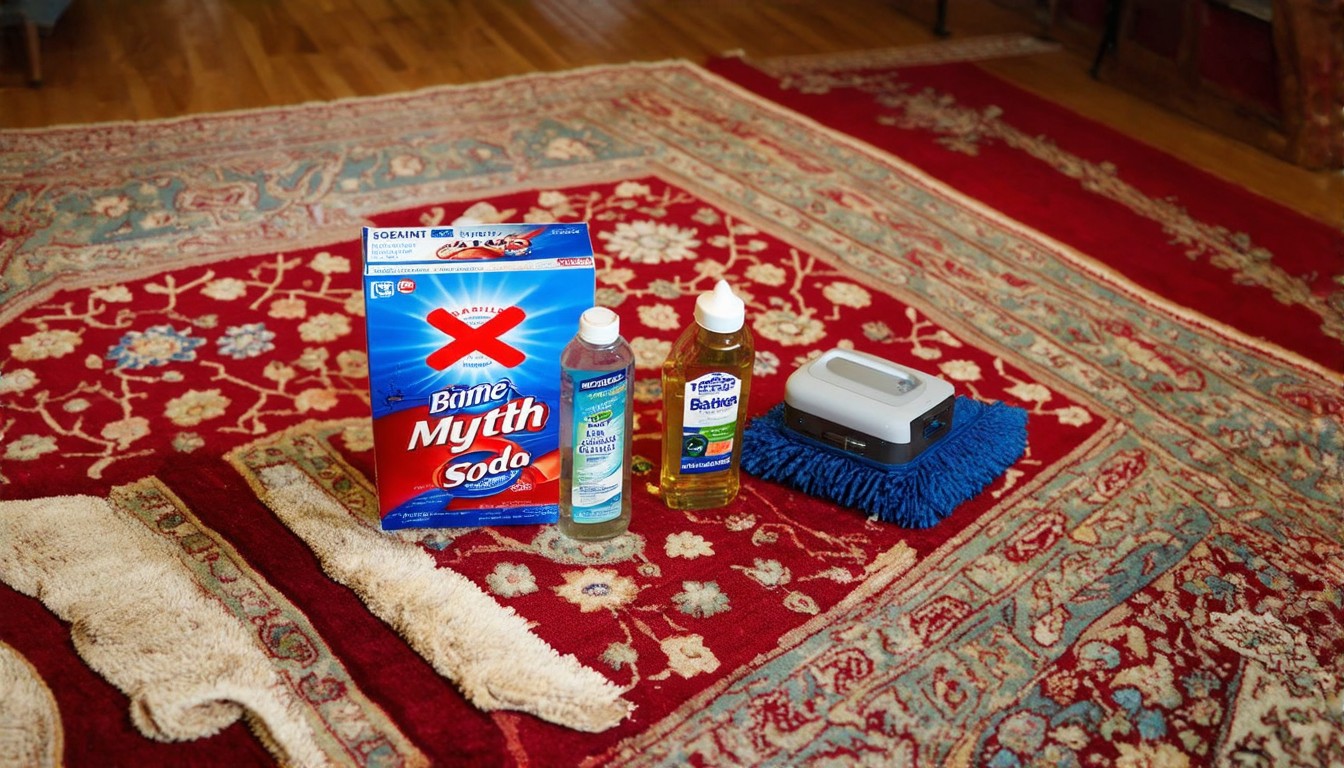
    Baking soda has become the internet’s universal cleaning solution. Sprinkle it on, let it sit, vacuum it up — problem solved. Except it’s not.

    Baking soda is a fine, abrasive powder that embeds deep in rug fibers and is extremely difficult to vacuum out completely. What stays behind acts as a grit that wears fibers from the inside. On wool rugs, baking soda’s alkaline pH can strip lanolin. On silk rugs, it’s actively damaging to the delicate protein fibers.

    The truth: baking soda has limited, careful applications for odor absorption on some rug types. As a general cleaning product, it causes more problems than it solves — especially on natural fibers.

    Myth #3: Steam Cleaning Is Deep Cleaning

    Steam cleaning — technically hot water extraction — is excellent for wall-to-wall carpet that’s glued to the floor. For area rugs, it’s a problem.

    The high heat can cause dye bleeding, especially with natural dyes common in Oriental and Persian rugs. The moisture can cause shrinkage in wool rugs. The process doesn’t reach the rug’s foundation layer (where 75% of soil lives) and can leave excessive moisture that promotes mold growth. For hand-tufted rugs, the heat and moisture can dissolve the latex backing.

    The truth: proper rug cleaning is full immersion hand washing — the entire rug is washed through, not just surface-treated. Our hand-wash process reaches every layer of the rug, something steam cleaning physically cannot do.

    Myth #4: You Should Clean Rugs as Rarely as Possible

    The logic: cleaning wears out rugs, so less cleaning means longer life.

    The reality is exactly backwards. The grit and soil embedded in a neglected rug acts as sandpaper against the fibers every time you walk on it. Professional cleaning removes that abrasive material, dramatically reducing fiber wear. A rug that’s professionally cleaned every 12-18 months will outlast an identical rug that’s never cleaned — by decades.

    The truth: regular professional cleaning extends rug life. Neglect is what shortens it.

    Myth #5: Vinegar Cleans Everything

    White vinegar is a useful household cleaner for some applications. But as a rug cleaner, it has significant limitations.

    Vinegar is acidic (pH 2-3). While this makes it effective on some water-based stains, it can damage certain natural dyes, particularly those set with alkaline mordants. On silk rugs, vinegar can cause irreversible fiber damage. And vinegar does absolutely nothing for oil-based stains, pet urine crystals, or deeply embedded soil.

    The truth: diluted vinegar can help with some fresh water-based stains on wool rugs as an emergency measure. It is not a cleaning solution and should never be used on silk, antique rugs, or as a substitute for professional cleaning.

    Myth #6: Professional Cleaning Shrinks Rugs

    This myth has a grain of truth — bad professional cleaning can cause shrinkage. But proper professional cleaning does not.

    Shrinkage occurs when cotton foundations are exposed to excessive water temperature, inadequate extraction, or uncontrolled drying. A competent professional controls all three variables — using appropriate water temperature, thorough extraction, and flat drying in a controlled environment.

    The truth: shrinkage is a sign of improper technique, not an inherent risk of professional cleaning. Choose a cleaner who hand-washes in a dedicated facility with controlled drying, and shrinkage is not a concern.

    Myth #7: Sunlight Kills Bacteria in Rugs

    Putting a rug in direct sunlight does kill some surface bacteria. It also causes UV damage that fades colors, degrades fibers, and can cause shrinkage from heat exposure.

    The bacterial reduction from sun exposure is minimal and superficial. The UV damage is permanent. It’s a terrible trade-off.

    The truth: professional cleaning eliminates bacteria thoroughly — throughout the entire rug, not just the surface — without any UV damage. If you want to sanitize your rug, have it professionally cleaned. Don’t sun-bake it.

    Myth #8: New Rugs Don’t Need Cleaning

    New rugs often need cleaning more than owners realize. Manufacturing residues (sizing, finishing chemicals, excess dye) can cause odors, fiber stiffness, and even skin irritation. New rug shedding — loose fiber fragments — is normal and accelerated by professional cleaning.

    More importantly, new rugs benefit from an initial professional cleaning because it establishes a baseline condition record and allows for proper fiber protection treatment application on a clean surface.

    The truth: a new rug cleaning within the first few months removes manufacturing residues, manages shedding, and starts the rug’s life on the best possible foundation.

    Get Facts, Not Myths

    We’re always happy to answer questions about rug care — even if you’re not sure whether something you’ve read is true. Call (510) 240-7360 and ask. We’d rather spend five minutes on the phone preventing a mistake than five hours fixing one.

    Schedule a free pickup and let the professionals handle it right.
  • How to Store Rugs Properly: A Complete Guide for Bay Area Homeowners

    How to Store Rugs Properly: A Complete Guide for Bay Area Homeowners

    How to Store Rugs Properly: A Complete Guide for Bay Area Homeowners

    Whether you’re downsizing, renovating, between homes, or simply rotating seasonal rugs, proper storage is the difference between a rug that emerges in perfect condition and one that comes out with moth damage, mold, creases, or permanent odor.

    The Bay Area’s unique climate — coastal humidity, fog, and mild winters that allow year-round moth activity — makes storage particularly risky if done incorrectly. Here’s how to do it right.

    The Three Enemies of Stored Rugs

    Every storage problem traces back to three threats: moisture, moths, and pressure.

    Moisture causes mold, mildew, and dry rot in the cotton foundation. In the Bay Area’s humid climate, a rug stored in a garage or uncontrolled space can develop mold within weeks. Once mold colonizes the foundation, the damage is often irreversible.

    Moths lay eggs on stored wool rugs — especially rugs that haven’t been cleaned first. Larvae feed on wool fibers for months in the dark, undisturbed environment of storage, consuming significant portions of the pile before anyone notices.

    Pressure from improper rolling, folding, or stacking causes permanent creases, pile crushing, and structural distortion. A rug folded for months may never lie flat again.

    Step 1: Clean Before Storing

    This is non-negotiable. Never store a dirty rug.

    Food particles, pet dander, and organic debris attract moths. Moisture trapped in soil promotes mold. Stains set further over time in storage. Soil acts as an abrasive between compressed layers.

    Professional cleaning removes all of these risks. Schedule cleaning 2-3 weeks before your storage date to ensure the rug is completely clean and dry.

    Add moth prevention treatment during cleaning. This creates a deterrent barrier in the fibers that protects throughout the storage period.

    Step 2: Roll Correctly

    Always roll, never fold. Roll with the pile facing inward to protect the surface. Use a sturdy cardboard tube or PVC pipe as a core for support — this prevents the center from collapsing and creating pressure distortion.

    Roll tightly and evenly along the length of the rug. An uneven roll creates pressure points that can permanently mark the pile.

    Step 3: Wrap Properly

    First layer: acid-free tissue paper or clean muslin fabric. This protects against dye transfer and provides a clean barrier.

    Second layer: breathable cotton or canvas sheeting. This provides physical protection while allowing air circulation.

    Never wrap in plastic. Plastic traps moisture and creates a sealed environment perfect for mold growth. This is the single most common storage mistake we see — and the most destructive.

    Secure the wrapping with cotton ties or fabric tape. Never apply adhesive tape directly to the rug.

    Step 4: Choose the Right Storage Environment

    The ideal storage environment maintains temperature between 60-75°F (consistent, not fluctuating), humidity between 30-50% (critically important in the Bay Area), darkness (UV light degrades dyes even during storage), clean surroundings free of pests, and elevation off the floor (never store directly on concrete, which sweats moisture).

    What to avoid: garages (temperature swings, moisture, pests), attics (extreme heat, temperature fluctuations), basements (moisture, flooding risk), unheated storage units (no climate control), and anywhere with known pest activity.

    Professional Storage: When It Makes Sense

    If you don’t have a climate-controlled indoor space that meets these criteria — and most Bay Area homes don’t — professional storage is the safest option.

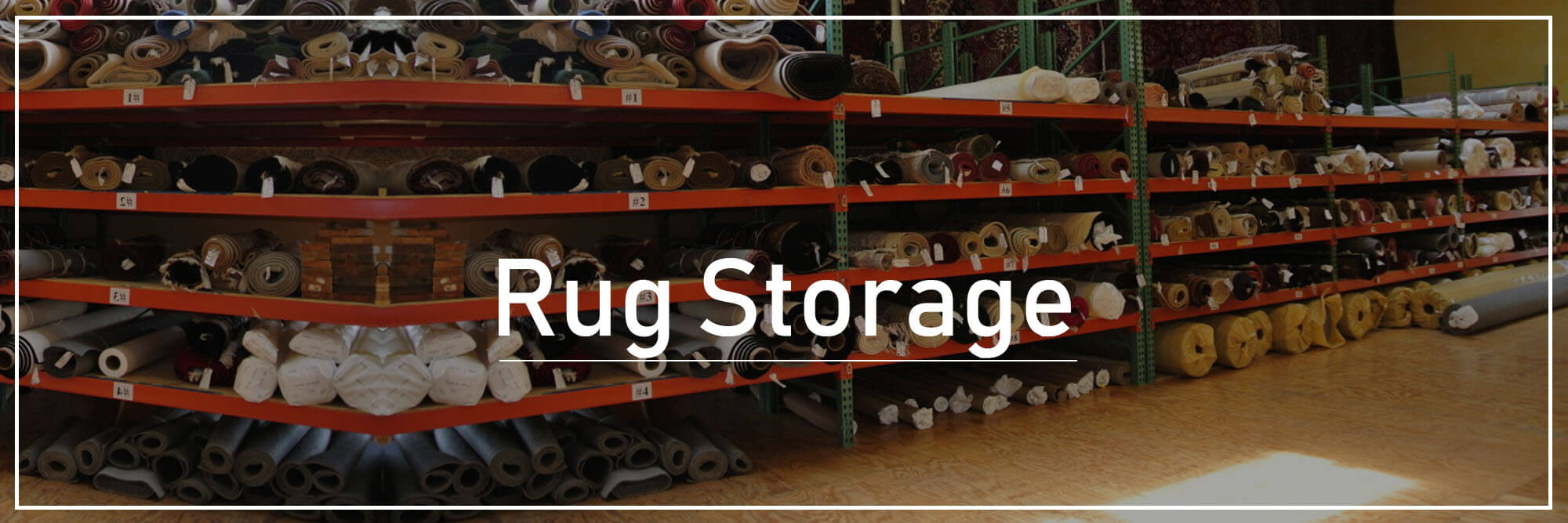
    Our climate-controlled storage facility in Newark maintains optimal temperature and humidity year-round, includes moth prevention as standard, stores rugs properly wrapped and elevated, provides insurance coverage, and offers easy access when you need your rug back.

    Professional storage makes particular sense during home renovations (weeks to months of construction dust and moisture), real estate staging or transitions, downsizing or between-home periods, seasonal rotation of rug collections, and estate management.

    How Long Can Rugs Be Stored?

    With proper preparation and environment, rugs can be safely stored for years. Museum collections store rugs for decades. The key variables are cleaning and moth treatment before storage, proper wrapping with breathable materials, climate control (temperature and humidity), and periodic inspection (we recommend annual check if storing long-term).

    For storage beyond one year, we recommend annual inspection and re-treatment for moth prevention.

    When Your Rug Comes Out of Storage

    Unroll in a clean, dry indoor space. Allow the rug to lie flat for 24-48 hours to relax any mild curling from being rolled. Inspect for any issues — moth activity, odor, discoloration. Vacuum gently before placing furniture.

    If the rug has been in storage for more than six months, consider a professional cleaning before returning it to service — this refreshes the fibers and confirms no issues developed during storage.

    Store It Right

    Call (510) 240-7360 to schedule cleaning and moth treatment before storage, or to arrange professional storage at our facility. We’ll clean, treat, wrap, and store your rug — and deliver it back whenever you’re ready.

    Schedule a free pickup to get started.

  • The Complete Guide to Rug Pads: Why Every Rug Needs One

    The Complete Guide to Rug Pads: Why Every Rug Needs One

    The Complete Guide to Rug Pads: Why Every Rug Needs One

    A rug pad is the most underappreciated rug accessory. It sits invisibly under your rug doing three critical jobs: protecting the rug from wear, protecting your floor from damage, and keeping the rug from sliding around.

    Despite this, roughly half the rugs we pick up for cleaning have no pad — or have a worn-out pad that’s doing more harm than good. Here’s what you need to know.

    Why Rug Pads Matter

    Without a pad, your rug sits directly on the floor. This creates several problems:

    Accelerated wear. When you walk on a rug without a pad, the rug fibers compress directly against the hard floor surface. A pad absorbs impact and distributes pressure, dramatically reducing fiber compression and extending rug life.

    Floor damage. Rug backing materials — especially jute, latex, and rough cotton foundations — can scratch hardwood, mark tile, and stain flooring over time. Dye transfer from the rug to the floor is common with natural-dye rugs on light flooring.

    Sliding and bunching. A rug without a pad shifts with foot traffic, creating tripping hazards and unsightly bunching. This is especially problematic on smooth surfaces like hardwood, tile, and polished concrete.

    Moisture trapping. Without airflow between the rug and floor, spills and humidity can trap moisture at the interface — promoting mold growth on both the rug foundation and the floor surface.

    A quality pad prevents all of these issues simultaneously.

    Rug Pad Materials

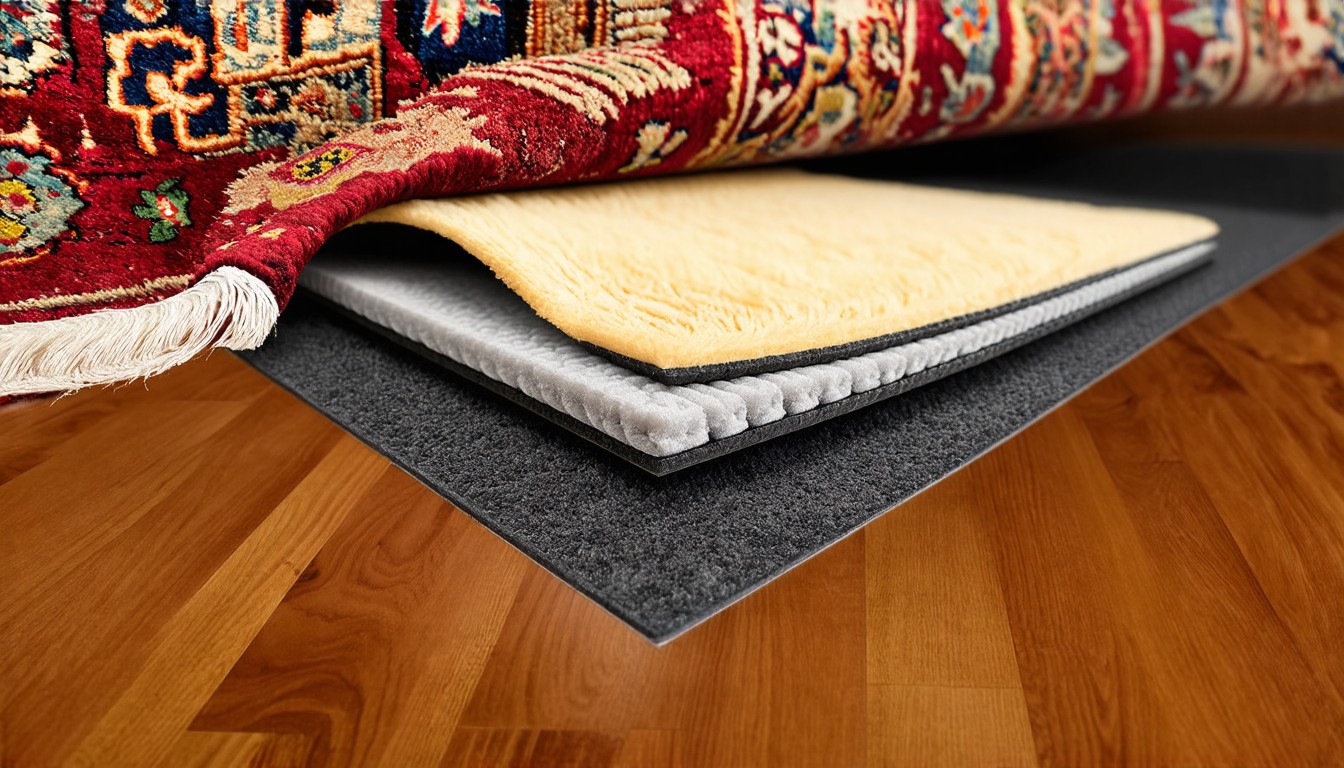
    Felt pads are dense, cushioned pads made from recycled fiber or wool felt. They provide excellent cushioning underfoot, add luxurious thickness to the rug’s feel, and work well on all hard floor surfaces. Best for living rooms and bedrooms where cushioning comfort is a priority.

    Rubber pads (natural rubber, not synthetic) provide maximum grip with minimal thickness. They’re excellent for high-traffic areas, entryways, and runners where preventing sliding is the primary concern. Look for natural rubber specifically — synthetic rubber can stain floors.

    Felt-and-rubber combination pads combine felt cushioning on top with a natural rubber grip layer on the bottom. These are the most versatile option, providing both comfort and non-slip security. This is what we recommend for most applications.

    Memory foam pads offer the most luxurious feel but are thicker and more expensive. Excellent for bedrooms and low-traffic sitting areas. Not ideal for dining rooms where chair movement is constant.

    Sizing: Smaller Than Your Rug

    A rug pad should be slightly smaller than the rug — approximately 1 inch smaller on all sides. This keeps the pad invisible (not peeking out from under the rug edges) and allows the rug edge to taper naturally to the floor, reducing tripping risk.

    For a 9×12 rug, the pad should be approximately 8’10” x 11’10”. For an 8×10, approximately 7’10” x 9’10”.

    Standard store-bought pads rarely match these dimensions exactly. That’s why custom-cut rug pads are the best option — we cut to your rug’s exact dimensions, accounting for the proper inset on all sides.

    Which Pad for Which Floor

    Hardwood floors need felt-and-rubber combination pads. The felt cushions, the natural rubber grips without damaging the finish, and the pad prevents dye transfer. Avoid synthetic rubber or adhesive pads on hardwood — they can leave permanent marks.

    Tile and stone floors benefit from thicker felt or felt-and-rubber pads that provide cushioning on the hard surface and prevent the rug from sliding on smooth tile.

    Carpet-over-carpet (area rug on wall-to-wall carpet) needs a thin, firm pad — usually a dense rubber grid that prevents the area rug from “walking” on the carpet surface. Thick cushioned pads don’t work here because the carpet already provides cushioning.

    Heated floors require pads that allow heat to pass through. Thin rubber grid pads work best — thick felt pads can insulate too much, reducing heating efficiency and potentially causing damage.

    When to Replace Your Rug Pad

    Rug pads don’t last forever. Depending on material and traffic, expect 5-10 years of life. Replace when the pad is crumbling or flaking (common with old rubber pads), compressed flat with no remaining cushion, sticky or tacky (degraded rubber leaving residue), discolored or stained (indicating moisture issues), or when the rug is sliding despite having a pad.

    Spring cleaning is a natural time to check — pull back the rug corner and inspect annually.

    Common Rug Pad Mistakes

    Using the wrong size is the most common issue — too large creates a visible edge and tripping hazard, too small doesn’t protect the rug’s high-traffic zones.

    Cheap pads with synthetic rubber leave chemical stains on hardwood floors that are expensive to refinish. The savings on the pad cost far less than floor repair.

    No pad at all remains the most common mistake. Even an inexpensive pad is dramatically better than no pad.

    Reusing old pads under new rugs seems thrifty but doesn’t work if the old pad is worn, compressed, or incorrectly sized for the new rug.

    Get the Right Pad

    We provide custom-cut rug pads matched to your rug’s exact dimensions and your floor type. Pads can be delivered with your clean rug after professional cleaning — one pickup, one delivery, everything handled.

    Call (510) 240-7360 to order a custom pad or add one to your next cleaning pickup.

  • Rug Fringe Repair: When to Fix, When to Replace, and When to Leave It Alone

    Rug Fringe Repair: When to Fix, When to Replace, and When to Leave It Alone

    Rug Fringe Repair: When to Fix, When to Replace, and When to Leave It Alone

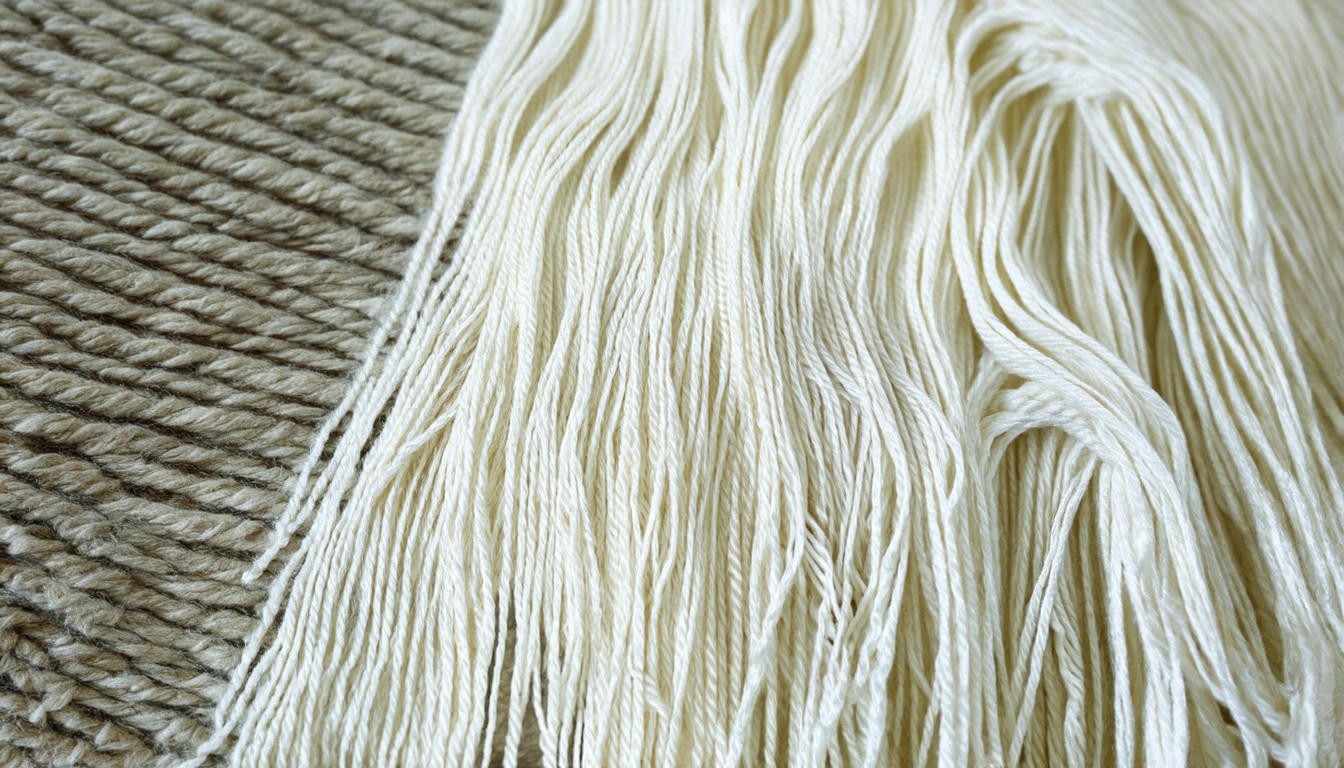
    Fringe is the most misunderstood part of a rug. Most people think it’s decorative — an added trim that makes the rug look finished. On hand-knotted rugs, fringe is actually structural. It’s the exposed ends of the warp threads that form the rug’s skeleton. Damaged fringe isn’t just an aesthetic problem — it’s the beginning of your rug unraveling.

    Understanding what fringe is, why it deteriorates, and what your repair options are can save you from an expensive problem that only gets worse with time.

    What Fringe Actually Is

    On a hand-knotted rug, the vertical warp threads run the entire length of the rug. These threads are what every knot is tied around — they’re the foundation. At the ends of the rug, these warp threads extend beyond the last row of knots, creating the fringe.

    Fringe on a hand-knotted rug isn’t attached to the rug — it IS the rug. When fringe deteriorates and breaks, the knots at the end of the rug lose their anchor. Without repair, the rug literally begins to unravel row by row from the ends inward.

    On machine-made rugs, fringe is typically sewn on as a decorative addition. Damage to machine-made fringe is cosmetic, not structural. On hand-tufted rugs, there may be no traditional fringe at all — the edges are usually bound or serged.

    Why Fringe Deteriorates

    Fringe takes more abuse than any other part of the rug. It’s exposed (not protected by pile), it’s at the edges where foot traffic is heaviest, and it’s the first thing vacuum cleaners catch.

    Vacuum damage is the number one cause of fringe destruction. Running a vacuum beater bar over fringe catches the threads, tangles them, and rips them out. Over years, this systematically destroys the fringe one thread at a time.

    Foot traffic wears fringe through abrasion — especially fringe that extends onto high-traffic paths. Pet chewing and scratching is common — dogs and cats are attracted to the texture.

    Improper cleaning — pulling, wringing, or aggressive scrubbing — damages fringe during well-intentioned home cleaning attempts. Age and fiber degradation weaken cotton fringe naturally over decades, especially in humid Bay Area conditions.

    When to Fix: Securing Loose Fringe

    If your fringe is worn, shortened, or has some broken threads but the rug’s edge is still intact, securing is the most practical option.

    Overcasting (whip-stitching) the rug’s edge creates a binding that prevents further unraveling even as fringe continues to wear. This is a relatively quick, affordable repair that stops the problem from progressing.

    Individual thread repair — re-securing specific broken warp threads — works when damage is limited to a few threads rather than widespread deterioration.

    Cost: typically $75-200 depending on the rug size and extent of damage. A worthwhile investment considering the alternative is progressive structural failure.

    When to Replace: New Fringe

    If fringe is severely deteriorated — most threads broken, multiple rows of knots exposed, or fringe worn to stubs — replacement is the better option.

    New fringe is hand-sewn onto the rug’s end, matching the original thread weight, color, and style. A skilled repair technician can create replacement fringe that’s virtually indistinguishable from original fringe.

    For antique rugs, replacement fringe should match the era-appropriate style. A modern bright-white fringe on a 100-year-old rug looks wrong. We match the thread color and weight to what the original fringe would have looked like at the rug’s current age.

    Cost: typically $200-500+ depending on rug size, fringe style, and whether one or both ends need replacement.

    When to Leave It Alone

    Not every fringe issue requires intervention. Minor wear on an antique rug is part of its character and patina. If the rug’s edge is secure and not unraveling, cosmetically worn fringe may be perfectly fine to leave as-is.

    Some owners choose to have fringe trimmed short and the edge bound rather than replacing fringe. This changes the rug’s appearance but provides a clean, secure finish that requires less ongoing maintenance. It’s a practical choice for high-traffic areas.

    Fringe Prevention

    Protecting your fringe extends its life significantly.

    Never vacuum over fringe with a beater bar. Use the suction hose attachment only, or vacuum away from the fringe rather than over it.

    Tuck fringe under the rug in high-traffic areas. This protects the fringe from foot traffic and vacuuming while keeping the rug’s appearance clean.

    Keep pets away from fringe. If your dog or cat chews fringe, redirect the behavior — the damage accumulates quickly.

    Professional cleaning includes careful fringe treatment. Our technicians hand-clean fringe separately using appropriate solutions that brighten without weakening the fiber.

    Don’t Wait

    Fringe repair is one of those issues where early intervention saves significant money. Securing loose fringe at $100 prevents the $500+ reweaving job you’ll need if the rug unravels further.

    If your fringe is showing signs of wear, bring it up during your next cleaning — we inspect fringe as part of our standard pre-cleaning assessment and can recommend the right approach.

    Call (510) 240-7360 or schedule a free pickup. We’ll assess your fringe and all other aspects of your rug’s condition.

  • Are Rugs a Good Investment? What Bay Area Rug Owners Should Know

    Are Rugs a Good Investment? What Bay Area Rug Owners Should Know

    Are Rugs a Good Investment? What Bay Area Rug Owners Should Know

    The Bay Area is home to some remarkable private rug collections. Between the region’s wealth, its global connections, and its design culture, there are rugs in local homes worth tens — even hundreds — of thousands of dollars.

    But does “valuable” mean “good investment”? The answer is more nuanced than rug dealers would have you believe.

    The Honest Answer

    Most rugs are not financial investments. They’re functional art — beautiful objects that serve a purpose in your home, bring joy, and may hold their value reasonably well. But most won’t appreciate significantly in dollar terms.

    The rugs that do appreciate share specific characteristics: genuine scarcity (antique, rare origin, limited production), exceptional craftsmanship (fine knotting, masterful design, premium materials), historical or cultural significance, and excellent condition or documented provenance.

    A hand-knotted rug from a reputable workshop will hold its value much better than a machine-made production rug. But “holding value” and “appreciating” are different things.

    What Drives Rug Value

    Age matters, but not in a straight line. A 50-year-old rug isn’t necessarily worth more than a 20-year-old rug. What matters is whether production from that era and origin has become scarce. Certain Persian tribal weaving traditions have been largely discontinued — rugs from these traditions are genuinely scarce and increasingly valuable.

    Knot density correlates with value but doesn’t determine it. A 200-knot-per-inch rug with average design isn’t worth more than a 100-knot rug with masterful artistry. Quality of execution matters more than raw density.

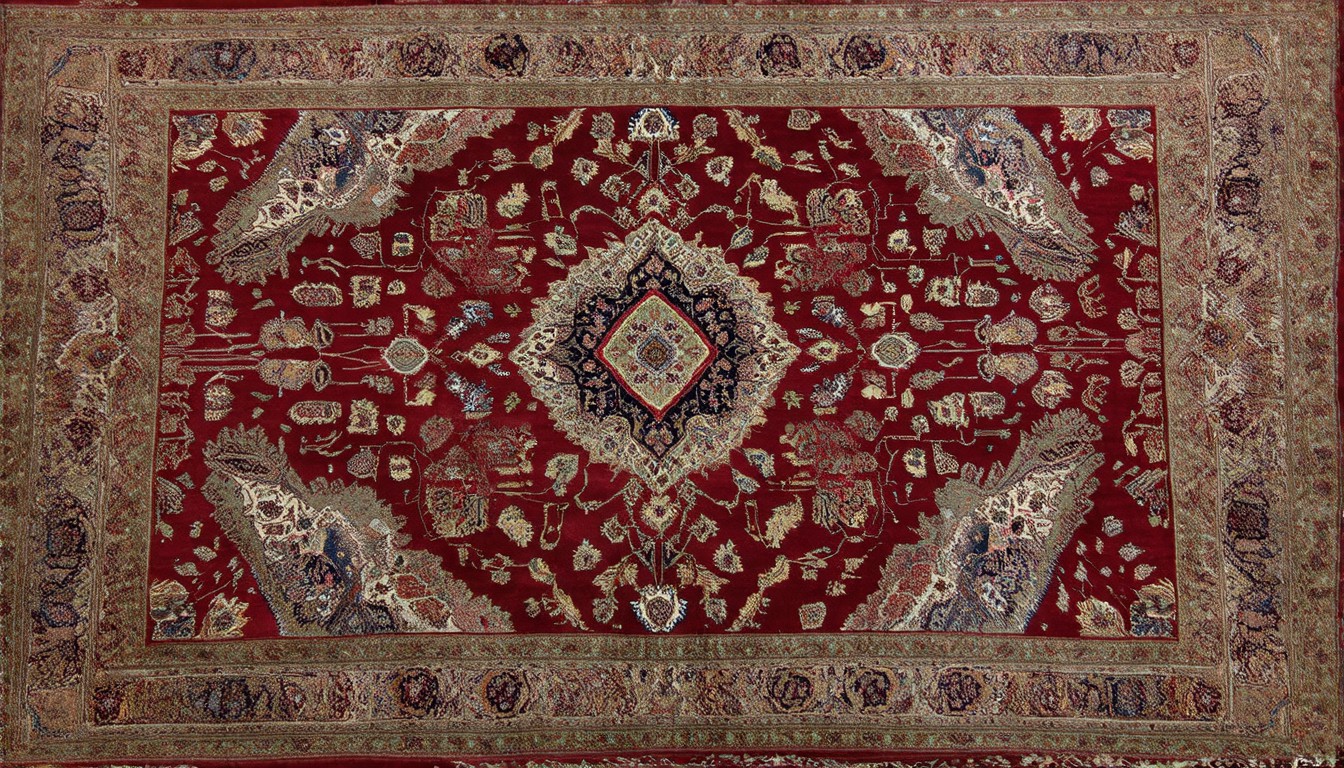
    Materials affect value significantly. Silk rugs — especially from renowned workshops in Isfahan, Qum, or Hereke — command premiums. Wool quality varies enormously. Fine Merino or Kork wool holds value better than coarse wool.

    Condition is critical. A rare, fine rug in poor condition is worth a fraction of the same rug in excellent condition. This is where maintenance directly impacts value — and why professional care is a value-preservation investment.

    Design and origin create market premiums. Certain rug types — Tabriz, Isfahan, Nain, Serapi, antique Caucasian — have established collector markets with predictable demand.

    Protecting Your Rug’s Value

    Whether your rug appreciates or simply holds its value, protecting that value requires consistent care.

    Professional cleaning every 12-18 months maintains the rug’s condition. Soil abrasion degrades fibers and dulls colors — both reduce value. Moth damage is devastating to value. A moth-eaten rug loses 30-70% of its value depending on the extent. Annual moth prevention is inexpensive insurance against catastrophic value loss.

    Address repairs promptly. Small damage repaired early is invisible and doesn’t affect value. Neglected damage that spreads becomes visible and permanently reduces value.

    Proper rug pads, rotation, and sun protection maintain physical condition year over year.

    The Appraisal Question

    If you own rugs that may be valuable, professional appraisal serves multiple purposes.

    Insurance documentation ensures you’re covered for the rug’s actual value — not the insurer’s depreciated estimate. Estate planning requires current valuations for equitable distribution. Sale or donation requires certified appraisal for tax purposes. Personal knowledge helps you make informed decisions about care investment.

    Our certified appraisal service provides documented valuation including photographs, detailed descriptions, condition assessment, and fair market or replacement value determination.

    The Real Return on Rugs

    The best way to think about rug “investment” is this: a quality rug provides decades of daily aesthetic enjoyment, grounds your living space in beauty and character, connects you to centuries of artistic tradition, and may hold or increase in value over time as a bonus.

    Buying a rug purely as a financial investment is risky — the market is specialized, illiquid, and unpredictable. Buying a rug you love and maintaining it properly is a decision that pays dividends in daily enjoyment whether or not the dollar value increases.

    Know What You Have

    If you’re curious about your rug’s value — whether for insurance, estate planning, or simple curiosity — start with a professional appraisal. Call (510) 240-7360 to schedule, or add an appraisal to your next cleaning order.

  • What Does Professional Rug Cleaning Cost? Bay Area Pricing Guide

    What Does Professional Rug Cleaning Cost? Bay Area Pricing Guide

    What Does Professional Rug Cleaning Cost? Bay Area Pricing Guide

    It’s the first question everyone asks, and it deserves a straightforward answer. Professional rug cleaning in the Bay Area typically costs $2-8 per square foot, depending on the rug type, condition, and required services.

    For a standard 8×10 wool rug, that translates to roughly $160-640. The range is wide because rugs are not one-size-fits-all — and neither is proper cleaning.

    Here’s what determines where your rug falls in that range and what you’re actually paying for.

    What Affects the Price

    Fiber type is the primary cost driver. Wool rugs fall in the mid-range — they’re the most common and cleanable fiber. Silk rugs cost more because they require more delicate handling, specialized solutions, and careful drying. Synthetic rugs are generally the least expensive to clean. Blended fiber rugs (wool-silk, wool-cotton) are priced based on the most delicate fiber present.

    Construction matters because hand-knotted rugs require more careful handling than machine-made rugs. Antique rugs need extra precautions. Hand-tufted rugs with latex backing require moisture management to prevent delamination.

    Size and thickness affect time and resource requirements. A thin kilim processes faster than a thick, heavy pile rug. Oversized rugs (larger than 10×14) require additional handling.

    Condition determines whether standard cleaning is sufficient or additional treatments are needed. Heavy soiling requires extra dusting and wash cycles. Pet contamination requires enzyme treatment. Stains require targeted pre-treatment. Odor requires deep deodorization.

    What’s Included in Standard Cleaning

    At ABC, our standard cleaning price includes pickup and delivery (free across all nine Bay Area counties), pre-inspection and documentation, fiber and dye testing, professional dusting, full hand washing with fiber-appropriate solutions, thorough rinsing, water extraction, controlled flat drying, and final grooming and quality inspection.

    That’s the complete 10-step process described in our behind-the-scenes guide. Nothing hidden, nothing extra for the core service.

    Common Add-On Services

    Beyond standard cleaning, additional services are priced separately.

    Moth prevention treatment is highly recommended for wool rugs, especially in the Bay Area. It’s an affordable addition that protects your rug through moth season.

    Pet stain treatment uses professional enzyme solutions to break down uric acid. Pricing depends on the extent of contamination.

    Color correction addresses dye bleeding from water damage or previous cleaning accidents. This is specialized work priced by complexity.

    Fringe repair, edge binding, and reweaving are quoted individually based on the specific damage.

    Fiber protection treatment creates an invisible barrier that helps resist future staining.

    Why the Cheapest Option Costs More

    When comparing rug cleaning prices, understand what you’re comparing. A carpet cleaning company offering “rug cleaning” for $1.50 per square foot is almost certainly using machine methods, not hand washing. They may not inspect or test your rug before cleaning. They probably don’t have a dedicated facility with controlled drying.

    The difference matters because machine cleaning can damage hand-knotted rugs. Inadequate drying promotes mold. Untested dyes can bleed. And improper cleaning that forces you to replace a rug is infinitely more expensive than the price difference between professional and budget cleaning.

    We’re not the cheapest option in the Bay Area. We don’t try to be. We’re the option that does it right — and that protects your rug’s beauty, lifespan, and value.

    Getting an Estimate

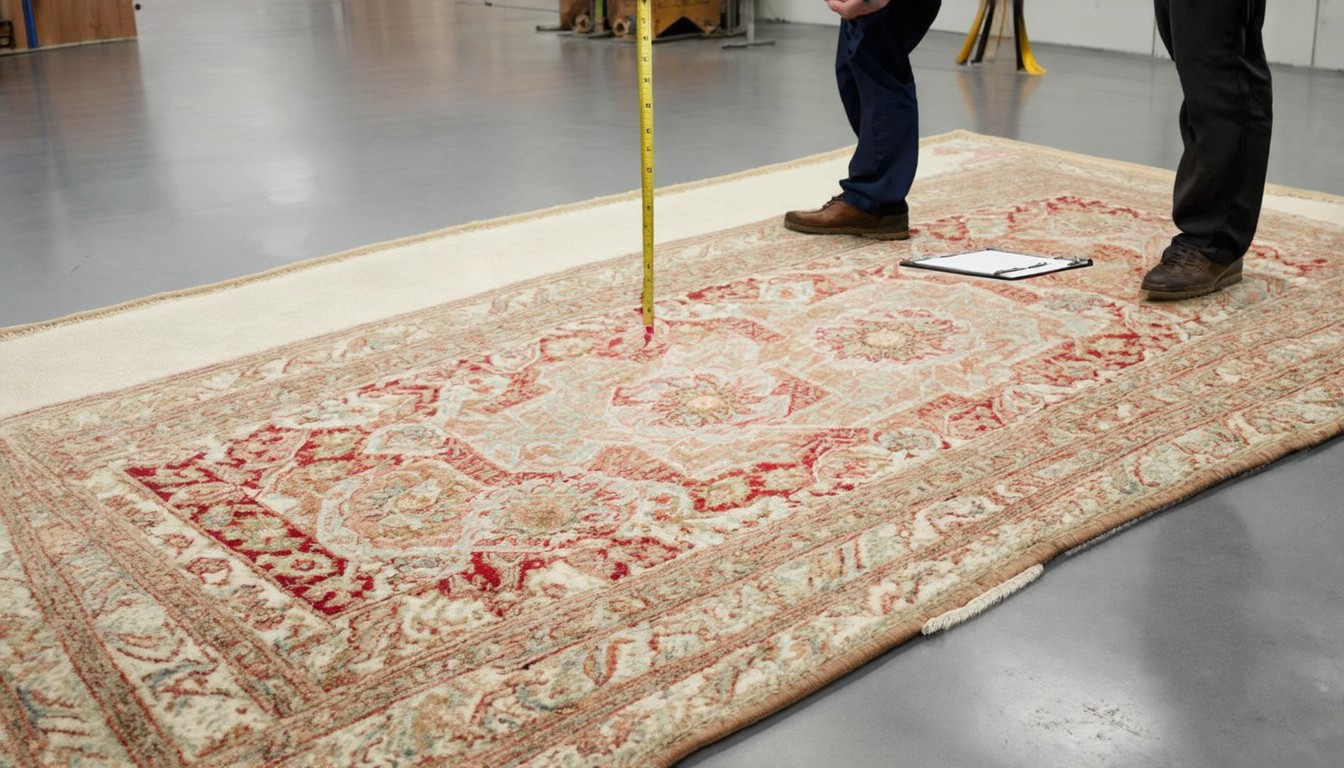
    The fastest way to get a specific price for your rug is to call us at (510) 240-7360. Tell us the rug size (measure length by width), fiber type (if known), and any specific issues (stains, pet damage, odor, repairs needed).

    We’ll provide an estimate over the phone and confirm final pricing after in-person inspection. If additional services are needed beyond the estimate, we contact you for approval before proceeding.

    Visit our pricing page for general rate information, or schedule a free pickup and we’ll assess and quote on-site.

  • Realtors: Why Professional Rug Cleaning Is Your Secret Staging Weapon

    Realtors: Why Professional Rug Cleaning Is Your Secret Staging Weapon

    Realtors: Why Professional Rug Cleaning Is Your Secret Staging Weapon

    You know the fundamentals of staging — declutter, depersonalize, deep clean, fresh paint. But there’s one element that many realtors overlook: the rugs.

    A dull, stained, or odorous rug undermines every other staging investment you’ve made. A clean, vibrant rug anchors the room, adds warmth, and photographs beautifully — creating the emotional pull that moves buyers from “nice” to “I can see myself living here.”

    In the competitive Bay Area real estate market, where first impressions happen online through listing photos, that difference matters.

    Why Rugs Matter in Staging

    Rugs define spaces. In an open floor plan — which describes most Bay Area homes built or remodeled in the last 20 years — rugs create visual room divisions that help buyers understand how to use the space. A clean rug in the living area, a runner in the hallway, and a rug under the dining table tell buyers “this is a home, not a warehouse.”

    Rugs add warmth to hard surfaces. Bay Area homes with hardwood, tile, or concrete floors can feel cold and echoey. Rugs soften the space acoustically and visually.

    Rugs photograph well — when they’re clean. A vibrant rug pops in listing photos, adding color and texture that draws the eye. A dirty rug does the opposite — it reads as neglected, and that impression spreads to the entire home.

    Rugs absorb odors. A rug that’s harboring pet odors, mustiness, or general staleness creates an unconscious negative reaction during showings. Buyers may not identify the source, but they feel it.

    The Staging Rug Checklist

    Walk through the listing and assess every rug.

    Is it clean? If there are visible stains, odor, or the colors look dull, professional cleaning will transform it.

    Is it the right size? A rug that’s too small for the room makes the space feel awkward. For staging, rugs should be large enough that furniture legs sit on the rug, creating a cohesive grouping.

    Is it neutral enough? Bold or highly personal rug choices can distract rather than enhance. For staging, rugs should complement without competing.

    Is the rug pad in good shape? A rug that slides or bunches during a showing is a safety hazard and looks unprofessional.

    Clean vs. Remove

    Sometimes the right call is to clean the existing rugs. Sometimes it’s to remove them. Here’s a quick decision framework.

    Clean the rug if it’s a quality piece in good condition, appropriately sized, and neutral enough for staging. Professional cleaning will reveal colors and texture that enhance the space.

    Remove the rug if it’s heavily damaged, deeply stained beyond reasonable repair, an unusual color or style that distracts, or too small for the room.

    Store it if the sellers want to keep the rug but it doesn’t help the staging. Our storage service keeps it safe during the listing period.

    Working with ABC on Listings

    We work with Bay Area realtors regularly. Our standard turnaround fits most listing timelines — schedule pickup 2-3 weeks before photos and showings.

    For agents with multiple listings, we’re happy to discuss ongoing partnerships that streamline the process.

    Free pickup and delivery across all nine Bay Area counties makes logistics simple. We pick up from the property, clean at our Newark facility, and deliver back before photos. The seller doesn’t have to do anything.

    The ROI

    Professional rug cleaning for a typical home costs $300-800. In a market where homes sell for $1-3 million or more, that’s a negligible investment that can measurably improve listing presentation.

    Clean rugs make better photos. Better photos get more clicks. More clicks get more showings. More showings drive competitive offers. The math is straightforward.

    Let’s Talk

    If you’re a Bay Area realtor who wants to add rug cleaning to your staging toolkit, call (510) 240-7360. We’ll walk through your listing’s needs and create a plan that fits your timeline and budget.

    Schedule a free pickup and let us help you present every listing at its best.

  • Your Year-Round Rug Care Calendar: Month-by-Month Maintenance Guide

    Your Year-Round Rug Care Calendar: Month-by-Month Maintenance Guide

    Your Year-Round Rug Care Calendar: Month-by-Month Maintenance Guide

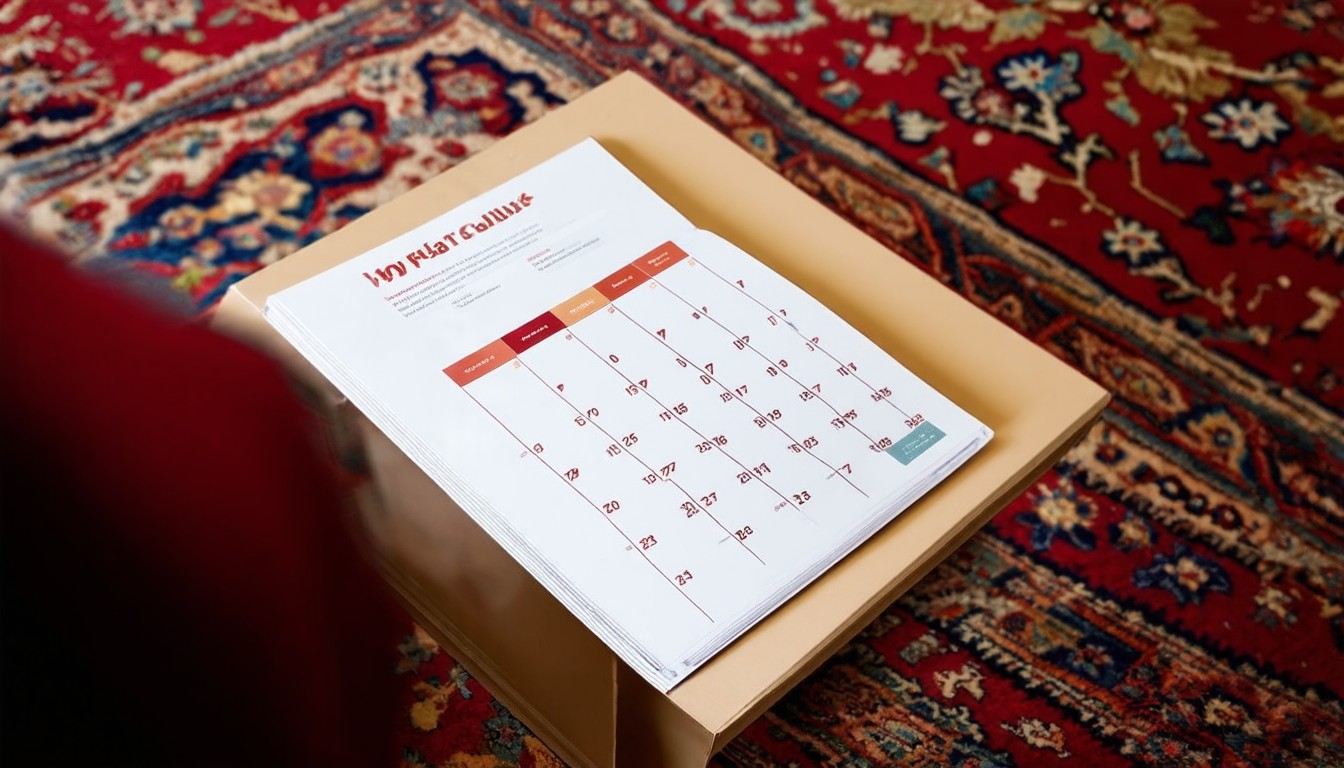
    Most rug damage happens not from a single event, but from months and years of small neglects. Skipping a rotation, forgetting moth treatment, putting off cleaning until “next season.”

    This calendar gives you a simple, month-by-month framework for rug care guide— tailored to the Bay Area’s specific climate, pest patterns, and lifestyle. Bookmark this page, print it, or set reminders on your phone. Your rugs will last decades longer for the effort.

    January: Post-Holiday Assessment

    Inspect all rugs for holiday damage — wine stains, food spills, candle wax, and heavy foot traffic wear from entertaining. Spot-clean any fresh stains before they set. Vacuum thoroughly. This is your reset after the busiest rug-use period of the year.

    February: Schedule Spring Cleaning

    Book professional cleaning now for March-April pickup. Spring is our busiest season and slots fill fast. Call (510) 240-7360 to get on the schedule early. Add moth prevention treatment to your order — moth season begins in April.

    March: Rotate All Rugs

    Rotate every rug 180 degrees. This distributes wear patterns and sun exposure that accumulated over winter. For dining room rugs, rotate 90 degrees to shift chair-wear zones. Check rug pads while you’re at it — if any are compressed, crumbling, or sticky, order replacements.

    April: Professional Cleaning Month

    This is the ideal time for your annual professional cleaning. Your rug has accumulated winter’s soil, and moth season is beginning. A clean, moth-treated rug enters the warm months protected.

    Check for moth activity: look under furniture for bare patches, webbing, or small casings. If you find any, mention it when scheduling — we’ll prioritize treatment.

    May: UV Protection Check

    As days get longer, check how sunlight hits your rugs. South and west-facing rooms get intense afternoon sun May through September. Adjust blinds, install UV-filtering window film, or reposition vulnerable rugs away from direct beams. This is also a good time to read our sun fading prevention guide.

    June: Fog Season Preparation

    Bay Area fog season begins. If you’re in a fog-belt neighborhood (Sunset, Richmond, Pacifica, coastal Marin), start running a dehumidifier in rooms with rugs. Target 30-50% humidity. Increased moisture promotes mold and attracts moths — two threats that work together to damage rugs silently.

    July: Mid-Year Vacuum Check

    By now, six months of regular vacuuming may have dulled your vacuum’s effectiveness. Check and replace the filter (especially HEPA filters). Inspect the brush roll for wrapped hair or string. A well-maintained vacuum is your primary defense between professional cleanings.

    August: Summer Entertaining Prep

    Summer barbecues and outdoor-indoor living mean increased foot traffic and spill risk. Place runners or washable rugs in high-traffic paths between outdoors and indoor living spaces. Position a doormat at every entrance. Have your stain emergency kit stocked and accessible.

    September: Rotate Again

    Second rotation of the year — 180 degrees on all rugs. Sun patterns have shifted from summer, and this rotation ensures even exposure going into fall. Inspect fringe and edges after summer’s increased traffic.

    October: Pre-Holiday Cleaning Window

    If you’re hosting Thanksgiving or holiday parties, schedule cleaning now for November return. This is your last comfortable window before the holiday rush. A clean rug for the holidays is both beautiful and practical — it handles heavy entertaining better when starting from a clean baseline.

    November: Moth Season Wind-Down

    Bay Area moth activity typically decreases as temperatures cool (though our mild winters mean they never fully stop). Do a moth inspection — check under furniture, in dark corners, and along baseboards. If you see any activity, call us immediately. Late-season moths can establish populations that overwinter and explode in spring.

    December: Holiday Protection Mode

    Holiday entertaining is peak stain-risk season. Keep your emergency stain kit stocked (white cloths, cold water spray bottle, mild dish soap). Position candles away from rugs (or use flameless alternatives). Brief holiday guests on the shoe situation — a friendly shoe tray near the door keeps winter mud off your rugs.

    The Two Non-Negotiable Annual Tasks

    If this entire calendar feels like too much, commit to just two things:

    One professional cleaning per year (spring is ideal). This alone extends your rug’s life by decades compared to never cleaning professionally.

    Moth prevention treatment once per year (applied during your annual cleaning). This single addition protects against the most devastating rug damage in the Bay Area.

    Everything else on this calendar is beneficial. These two are essential.

    We Make It Easy

    Call (510) 240-7360 once a year, and we handle the rest — free pickup, professional cleaning, moth treatment, inspection, and delivery back to your door. That one phone call is the single most impactful thing you can do for your rugs all year.

    Save our number. Set a reminder. Your rugs — and your future self — will appreciate it.

  • Hand Wash vs. Machine Wash: Why the Cleaning Method Matters More Than You Think

    Hand Wash vs. Machine Wash: Why the Cleaning Method Matters More Than You Think

    Here’s a conversation I have about once a week:

    “I had my rug cleaned by a carpet cleaning company, and now it looks worse than before. Can you fix it?”

    And then they show me the rug — shrunken, stiff, colors bleeding where they shouldn’t, that unmistakable chemical smell. Sometimes the damage is reversible. Sometimes it’s not.

    Every single time, the same story: a well-meaning company used industrial equipment designed for wall-to-wall carpet on a rug that needed an entirely different approach. It’s not that they were bad at their job. They were using the wrong tools for the job.

    After 47 years of cleaning rugs at ABC, I can tell you this with absolute certainty: the method matters more than almost anything else. The most expensive cleaning solution in the world won’t save your rug if it’s being applied with the wrong technique. And the simplest, most traditional hand-wash approach will outperform any machine — every single time.

    Let me show you exactly why.

    The Three Main Methods of Professional Rug Cleaning

    When you hire someone to clean your rug, they’ll use one of three general approaches. Understanding the differences can save you thousands of dollars in damage.

    Method 1: Hot Water Extraction (The “Carpet Cleaning” Method)

    This is what most carpet cleaning companies use. A truck-mounted or portable machine sprays hot water mixed with cleaning solution into the rug at high pressure, then immediately vacuums it back out with powerful suction.

    How it works: The technician places the cleaning wand on the rug and makes passes across the surface. Hot water jets spray down, and a vacuum slot sucks it back up. The whole process is fast — a room-sized rug can be “cleaned” in 20-30 minutes.

    Where it works well: Synthetic wall-to-wall carpet. That’s what this equipment was designed for. The thin, glued-down construction of broadloom carpet can handle the heat, moisture, and pressure. Synthetic fibers don’t shrink, bleed, or distort under these conditions.

    Where it fails — badly: Any rug with natural fibers (wool, silk, cotton), natural dyes, hand-knotted construction, or significant thickness. The problems are numerous: hot water shrinks wool fibers — we’ve seen rugs come back 6-10 inches smaller. High pH solutions cause natural dyes to bleed. Surface-only cleaning doesn’t reach deep-embedded soil. Excessive moisture gets trapped in dense pile and can’t be extracted, leading to mold, mildew, and dry rot. No pre-inspection means no one checked whether the dyes were stable before dumping water on them.

    The bottom line: Hot water extraction is fine for the carpet in your office. It is actively dangerous for hand-knotted Oriental, Persian, silk, or antique rugs.

    Method 2: Dry Cleaning / Low-Moisture Methods

    Some companies offer “dry cleaning” for rugs — using absorbent compounds or very low-moisture foam that’s worked into the pile and then vacuumed out.

    How it works: A powder or dry foam is applied to the rug, agitated to contact soil, and then vacuumed up along with the dirt it absorbed. Some methods use a bonnet (a rotating pad) to work the compound into the pile.

    Where it works well: Natural fiber rugs (sisal, jute, seagrass) that can’t tolerate water, and as a maintenance cleaning between deep washes. It’s also useful for quick-turnaround situations where you need a rug cleaned and returned the same day.

    Its limitations: Dry cleaning is surface-level cleaning. It won’t remove soil that’s migrated deep into the pile or foundation. It won’t address pet urine that’s soaked through to the backing. It won’t eliminate mold or bacteria. And the chemicals used in some dry cleaning compounds can leave residues that attract dirt faster.

    The bottom line: Dry cleaning is a useful tool in the right situations, but it’s not a substitute for deep cleaning when your rug actually needs a thorough wash.

    Method 3: Full Immersion Hand Wash (What ABC Does)

    This is the method that’s been used for centuries — literally. Long before there were carpet cleaning machines, rug craftsmen washed rugs by hand in rivers and streams. We’ve refined the technique with modern knowledge and climate-controlled facilities, but the fundamental approach is the same.

    How it works at ABC:

    First, the rug is inspected — every inch examined for fiber type, dye stability, existing damage, stains, and structural condition. This inspection determines the exact cleaning approach.

    Then, the rug is mechanically dusted. Our dusting equipment vibrates and beats the rug to remove the dry particulate soil — sand, dirt, dust, grit — that accounts for up to 75% of all soiling. This step alone removes more soil than an entire hot water extraction session. And it’s done BEFORE any moisture touches the rug, which prevents wet mud from forming inside the pile.

    Next, the rug is pre-treated. Stains, high-traffic areas, and problem spots get targeted application of the appropriate solutions — enzyme treatment for pet urine, gentle solvents for grease, pH-neutral spotters for organic stains.

    Then comes the hand wash. The rug is laid flat and washed by hand using soft brushes and fiber-specific cleaning solutions. The water temperature is controlled — cool for wool and silk, slightly warmer for cotton. Our technician works across the entire surface, monitoring the rug’s response in real time. If a dye shows any sign of instability, we adjust immediately. If an area needs extra attention, we give it. This level of control is simply impossible with a machine.

    After washing, the rug is thoroughly rinsed with clean water to remove every trace of cleaning solution. Residual soap attracts dirt and accelerates re-soiling — so complete rinsing is essential.

    Water is then extracted using controlled pressure — not the aggressive suction of a truck-mounted machine, but measured extraction that removes moisture without stressing fibers.

    Finally, the rug dries flat in our climate-controlled facility. Not hanging (which stretches wet fibers), not outside (where sun and wind are unpredictable), but flat, in a temperature and humidity-controlled environment with consistent air circulation. Wool and cotton rugs typically dry in 24-48 hours. Silk takes longer and gets extra monitoring.

    Side-by-Side Comparison

    Let’s put it all in perspective:

    Depth of cleaning:
    Hot water extraction: Surface only — can’t penetrate dense pile.
    Dry cleaning: Surface to shallow — removes top-layer soil.
    Hand wash: Complete — reaches every fiber from tip to foundation.

    Soil removal:
    HWE: Removes maybe 40-50% of total soil.
    Dry: Removes 30-40%.
    Hand wash with pre-dusting: Removes 90-95%.

    Risk to your rug:
    HWE: High — shrinkage, dye bleeding, moisture damage, fiber stress.
    Dry: Low — but limited effectiveness.
    Hand wash: Very low — controlled, monitored, adjustable in real time.

    Dye protection:
    HWE: No dye testing. Dye bleeding discovered only after it happens.
    Dry: Low risk but also limited soil removal.
    Hand wash: Full dye testing before cleaning. Real-time monitoring during wash.

    Drying:
    HWE: Rug left in your home to dry on the floor. Can take 12-24 hours with risk of mold.
    Dry: Minimal moisture, so drying isn’t usually an issue.
    Hand wash: Climate-controlled flat drying in a professional facility.

    Cost:
    HWE: $1-3 per square foot.
    Dry: $2-4 per square foot.
    Hand wash: $4-8 per square foot.

    Appropriate for valuable rugs?
    HWE: Absolutely not.
    Dry: For maintenance only, not deep cleaning.
    Hand wash: Yes — the gold standard for all rug types.

    When Does the Method Matter Most?

    For a $200 machine-made synthetic rug? Honestly, hot water extraction is probably fine. It’s fast, it’s cheap, and if something goes wrong, the replacement cost is manageable.

    But for these rug types, hand washing isn’t just preferable — it’s essential:

    Persian rugs — natural dyes, wool or silk, hand-knotted
    Oriental rugs — same concerns as Persian
    Silk rugs — zero tolerance for heat, pressure, or aggressive moisture
    – Antique rugs of any origin — fragile fibers and irreplaceable value
    – Any rug with sentimental value you can’t replace
    – Rugs worth more than $500

    Think about it this way: would you wash a $10,000 suit in a commercial laundromat? Of course not. The same logic applies to your rug.

    What ABC Offers That a Carpet Cleaner Can’t

    At ABC Decorative Rugs, every rug is hand washed. That’s not a marketing line — it’s a commitment we’ve maintained for 47 years. We don’t own carpet cleaning equipment. We don’t batch-process rugs in industrial machines. Every rug that comes through our door gets individual attention from an experienced technician.

    We also offer something most cleaning companies don’t: free pickup and delivery across the entire nine-county Bay Area. We come to your home, carefully wrap your rug for transport, bring it to our Newark facility for the full treatment, and return it to you looking like the day you bought it.

    Ready to see the difference?

    Call (510) 240-7360 or schedule your free pickup online.

    See our complete pricing for all rug types and services.

    Frequently Asked Questions

    Why is hand washing more expensive than carpet cleaning?
    Hand washing involves multiple skilled steps — inspection, dusting, dye testing, individual hand washing, rinsing, extraction, climate-controlled drying, and grooming. Each rug gets 4-6 hours of hands-on attention over 5-7 days. Hot water extraction takes 20-30 minutes with a machine. The difference in thoroughness, safety, and results reflects the difference in cost.

    Can carpet cleaning companies safely clean any rugs?
    Machine-made synthetic rugs — polyester, polypropylene, nylon — can generally tolerate hot water extraction without significant risk. But even these benefit from hand washing. For natural fiber, hand-knotted, or valuable rugs, carpet cleaning equipment should never be used.

    How do I know if my rug was damaged by improper cleaning?
    Common signs include: the rug is smaller than before, colors have bled into each other, the texture feels stiff or crunchy, the pile is matted or crushed, there’s a persistent chemical smell, or the rug won’t lie flat. If you notice any of these after a cleaning, bring the rug to us for assessment.

    Can you fix rugs that were damaged by machine cleaning?
    In many cases, yes. Color run can sometimes be corrected. Stiffness can often be resolved with proper washing and rinsing. However, permanent shrinkage and fiber damage may not be fully reversible. The sooner you bring a damaged rug to us, the better our chances of restoring it.

    Do you ever use machines in your cleaning process?
    We use machines for dusting (to remove embedded dry soil) and for water extraction (to remove moisture after washing). But the actual cleaning — the washing itself — is always done entirely by hand. Our machines support the process; they don’t replace the human expertise.

  • Jute and Sisal Rug Cleaning: What Works and What Will Destroy Your Rug

    Jute and Sisal Rug Cleaning: What Works and What Will Destroy Your Rug

    Jute and Sisal Rug Cleaning: What Works and What Will Destroy Your Rug

    I’ll cut straight to the most important thing you need to know about sisal and jute rugs: water is the enemy.

    That probably sounds strange. How do you clean something if you can’t use water? That’s exactly the challenge, and it’s why natural fiber rugs are some of the trickiest textiles we work with.

    Sisal and jute rugs have exploded in popularity over the past decade, especially in Bay Area homes going for that coastal, organic, California aesthetic. They’re beautiful. They’re eco-friendly. They add incredible texture to a room. And they have a very specific set of care requirements that most homeowners discover the hard way — usually after ruining a rug by mopping up a spill with a wet cloth.

    So let’s make sure you know the rules before something goes wrong.

    Understanding Natural Fiber Rugs

    First, let’s clarify what we’re talking about. Natural fiber rugs come in several varieties, and while they share some characteristics, they’re not identical:

    Sisal: Made from the fibers of the agave plant. Strong, durable, with a relatively coarse texture. It’s the most popular natural fiber rug material and handles moderate foot traffic well. Common in living rooms, dining rooms, and entryways.

    Jute: Made from the jute plant. Softer and more flexible than sisal, but also less durable. Better suited for low to moderate traffic areas. Has a more casual, relaxed aesthetic.

    Seagrass: Harvested from underwater meadows. Smooth, non-porous surface that’s naturally stain-resistant. Less absorbent than sisal or jute, making it slightly more forgiving with moisture.

    Hemp: Made from the cannabis plant (no, not that kind). Extremely durable and resistant to mold and mildew. Gets softer over time.

    All of these share one critical vulnerability: they’re plant-based fibers that absorb water readily, and water changes them — often permanently.

    Why Water Destroys Sisal and Jute Rugs

    When plant fibers absorb moisture, several bad things happen:

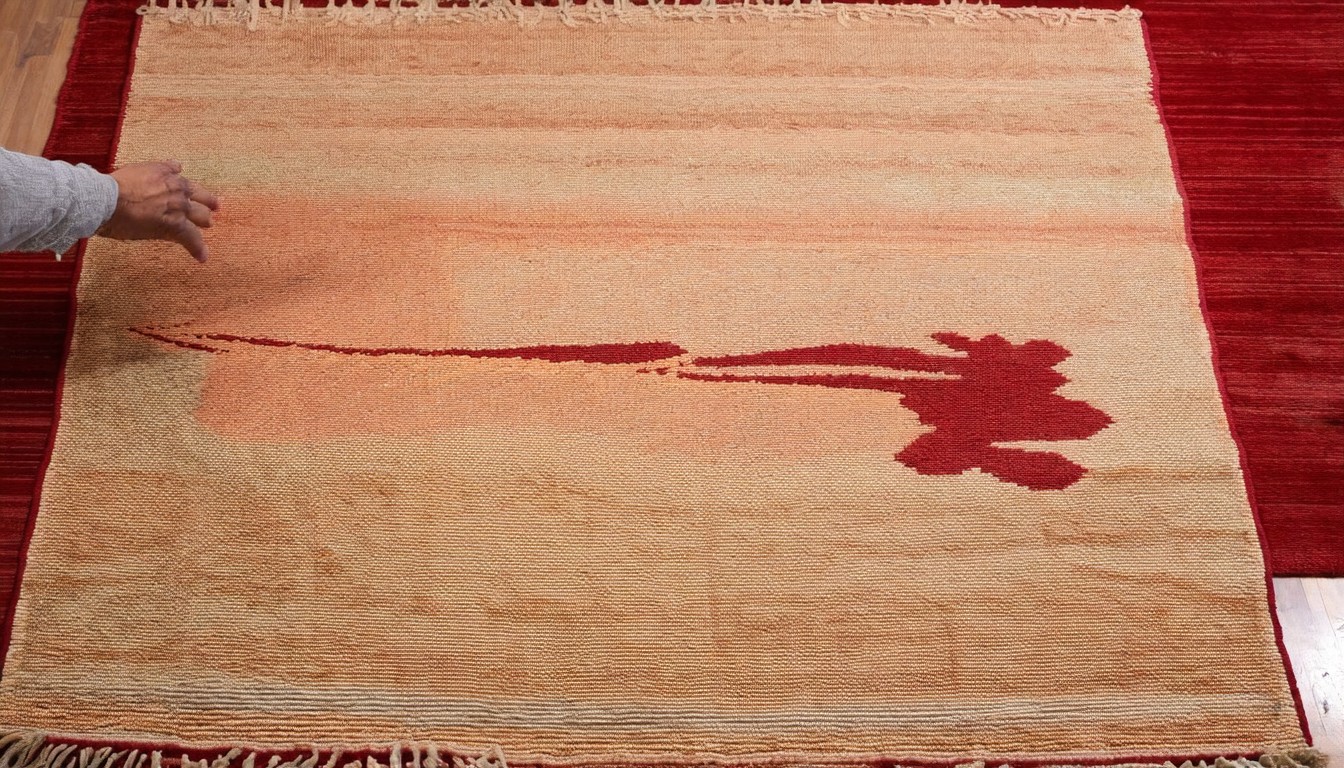
    Staining and water marks. This is the most visible and most common problem. When water hits sisal or jute, it causes the natural tannins in the plant fibers to leach to the surface, creating brownish water marks that look like stains. Even clean water can leave marks. These discolorations are often permanent.

    Shrinkage and warping. Wet plant fibers contract as they dry. This can cause the rug to shrink unevenly, buckle, ripple, or curl at the edges. Once distorted, the rug rarely returns to its original flat shape.

    Fiber damage. Prolonged moisture weakens plant fibers, making them brittle and prone to breaking. Wet jute, in particular, can begin to deteriorate surprisingly quickly.

    Mold and mildew. Plant fibers are organic material. Add moisture and warmth, and you’ve got a perfect environment for mold growth. In the Bay Area’s humid coastal neighborhoods, this is a real concern.

    Odor. Wet jute and sisal develop a strong, unpleasant “wet hay” smell that can be difficult to eliminate.

    This doesn’t mean you can’t ever get your sisal or jute rug wet — it means moisture must be carefully controlled and removed quickly.

    Daily and Weekly Maintenance

    The best way to keep a natural fiber rug clean is to prevent it from getting dirty in the first place:

    Vacuum frequently. 2-3 times per week for high-traffic areas, at least weekly for low-traffic zones. Use suction only — no beater bar, which can pull and fray the fibers. Vacuum in both directions to remove dirt from between the weave.

    Rotate every 3-6 months to distribute wear and sun exposure evenly.

    Use a rug pad. A quality rug pad is essential for natural fiber rugs. It provides cushioning (sisal and jute can feel hard underfoot without one), prevents slipping, and creates an air gap underneath that allows moisture to escape rather than being trapped against the floor.

    Keep away from moisture-prone areas. Natural fiber rugs are not ideal for kitchens, bathrooms, entryways where wet shoes come in, or areas near pet water bowls. If you love the look in these spaces, consider a seagrass rug instead — it’s the most water-resistant of the natural fibers.

    How to Handle Spills on Natural Fiber Rugs

    When (not if) a spill happens, speed is everything:

    Blot immediately. Use a clean, dry white cloth or stack of paper towels. Press firmly to absorb as much liquid as possible. Do not rub — this pushes the liquid deeper and damages fibers.

    Scrape solids. For food spills, use a spoon or dull knife to gently scrape solids toward the center of the spill, then remove them.

    Use minimal moisture for cleaning. If blotting alone isn’t enough, dampen (not wet) a clean cloth with cold water and a tiny amount of clear dish soap. Blot the area gently — don’t saturate it. Then blot with a clean, dry cloth to remove moisture.

    Dry immediately and aggressively. Point a fan directly at the damp spot. Open windows for air circulation. The faster the area dries, the less chance of permanent water marks, shrinkage, or mold. If you have a small dehumidifier, place it nearby.

    For grease stains: Sprinkle cornstarch or baking soda on the spot immediately. Let it absorb the oil for several hours (overnight is better). Vacuum up the powder. Repeat if necessary.

    What NOT to Do

    Some things that work fine on other rugs will ruin natural fiber rugs:

    Never use a steam cleaner. The combination of heat and moisture will cause immediate shrinkage and water damage.

    Never saturate the rug with water. No garden hoses, no buckets of soapy water, no “soaking” stains.

    Never use bleach or harsh chemicals. They’ll weaken and discolor plant fibers.

    Never use carpet shampoo or foam cleaners. They add excessive moisture and leave residues that attract more dirt.

    Never put a natural fiber rug in the washing machine. It will come out destroyed.

    Professional Cleaning for Natural Fiber Rugs

    Professional sisal and jute rug cleaning uses specialized dry or low-moisture methods that clean the fibers without the water damage risks of traditional wet cleaning:

    Dry compound cleaning: An absorbent powder is worked into the rug’s weave, where it bonds with dirt and soil. The powder (along with the dirt) is then thoroughly vacuumed out. No water, no water marks, no shrinkage.

    Controlled low-moisture cleaning: For deeper cleaning needs, we use carefully controlled moisture levels with rapid extraction and immediate drying. The rug is never saturated.

    Spot treatment: Individual stains get targeted treatment with products specifically formulated for plant-based fibers.

    We recommend professional cleaning every 12-18 months for natural fiber rugs in active living spaces. For low-traffic areas, every 2 years is typically sufficient.

    Know Your Rug’s Limits — And Its Strengths

    Natural fiber rugs aren’t the right choice for every room or every household. But in the right setting, they’re beautiful, sustainable, and surprisingly durable. The key is understanding their limitations and working with them.

    If you have questions about your specific sisal, jute, seagrass, or hemp rug, we’re always happy to help. And if your natural fiber rug has water damage, stains, or just needs a refresh, our dry-cleaning methods can usually bring it back to life.

    Call (510) 240-7360 or schedule your free pickup.

    Frequently Asked Questions

    Can water stains be removed from sisal rugs?
    In many cases, professional dry cleaning can reduce or eliminate water marks. However, some water stains on sisal are permanent, especially if the area was saturated or stayed wet for an extended period. The sooner a wet area is dried, the better the outcome.

    Which natural fiber rug is most durable?
    Sisal is the most durable for foot traffic. Seagrass is the most resistant to staining and moisture. Jute is the softest but least durable. For high-traffic areas, we recommend sisal with a quality rug pad.

    Are natural fiber rugs good for pets?
    They’re a mixed bag. Natural fiber rugs are relatively easy to vacuum pet hair from (unlike shag), but they’re very vulnerable to pet accidents. If your pet has occasional accidents, natural fiber isn’t the best choice. If your pet is fully trained, sisal and seagrass hold up well to daily wear.

    Can I put a sisal rug in my kitchen?
    We’d advise against it. Kitchens involve too many moisture risks — spills, splashes from the sink, wet shoes. If you want the natural fiber look in a kitchen, consider seagrass (most water-resistant) or a natural fiber-look synthetic alternative.


    ============================================================
    GBP POST #9
    ============================================================
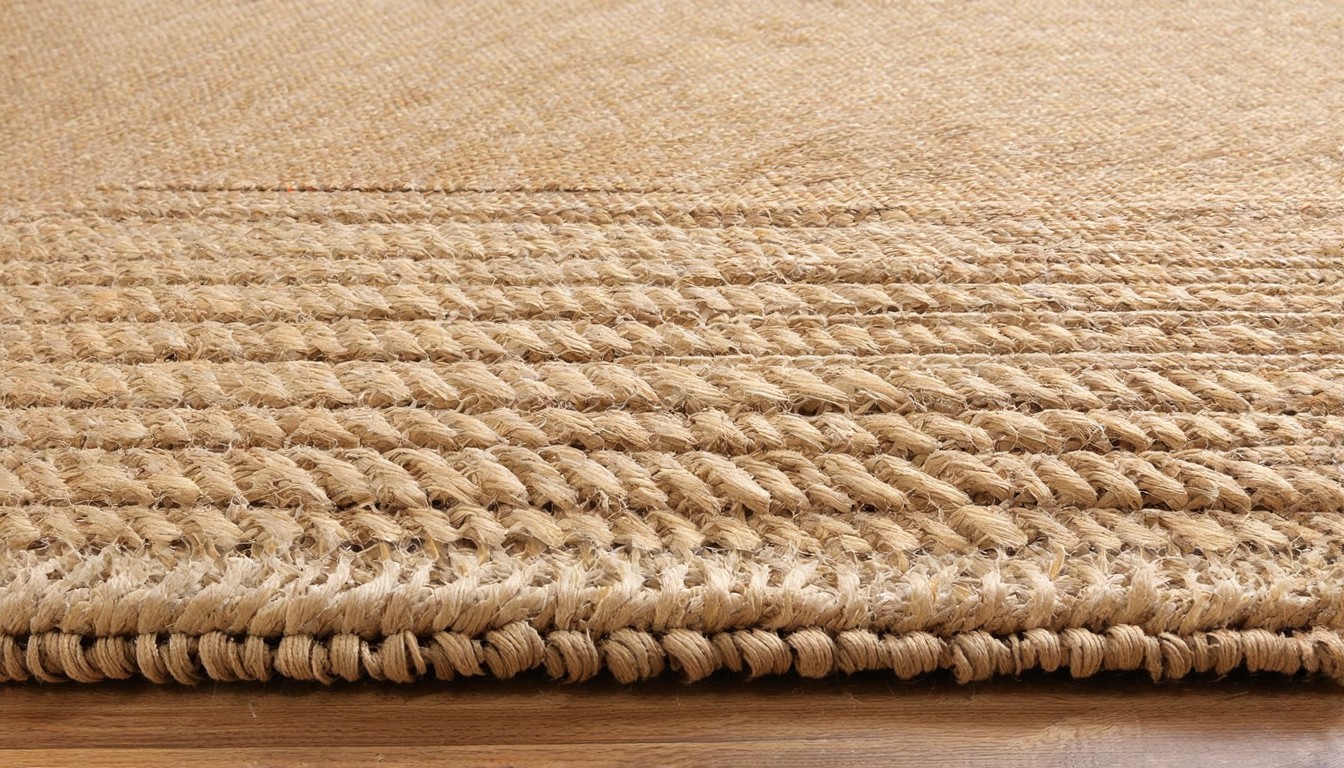
    IMAGE PROMPT: “A woven sisal rug with herringbone pattern on a light wood floor in a bright coastal-style room. Clean and natural aesthetic.”
    CTA BUTTON: Book Online → https://abcrugs.zohobookings.com/

    POST TEXT:
    Own a sisal or jute rug? Here’s the #1 rule: water is the enemy. 💧

    Even clean water causes permanent brown water marks on natural fiber rugs. It can also cause shrinkage, warping, and mold.

    What TO do:
    ✅ Vacuum 2-3x/week (no beater bar)
    ✅ Blot spills instantly with dry cloths
    ✅ Use cornstarch on grease stains
    ✅ Dry wet spots FAST — fan + airflow

    What NOT to do:
    ❌ Steam clean
    ❌ Saturate with water
    ❌ Use carpet shampoo

    Professional dry-cleaning methods remove dirt without water damage. Free pickup across the Bay Area.

    📖 Full guide: https://www.abcrugs.com/blog/sisal-jute-rug-cleaning/
    📞 (510) 240-7360