Rug Serging & Binding
Clean edges.
Matched thread.
Serging and binding finish a cut edge, turn a remnant into a usable rug, or close a worn side. Per linear foot, thread dyed to match the field.
Starting price
From $22 per linear foot. Hand serging with matched wool or cotton thread. Minimum $95.
Typical time on bench
Length dictates time. Room-size rug is typically under a week.
Door-to-door
Pickup, bench, delivery. Free pickup across the Bay Area.
See the full pricing table or contact us for a custom quote.
What is serging?
A finished edge where there was a cut.
Serging (also called binding) is a wide, flat stitch that finishes a raw or worn rug edge. It is the right treatment for a machine-made rug that has been cut from the roll, a hand-knotted rug that needs a quicker finish than full overcasting, or any rug whose long-side edge binding has failed and been cleaned up to a hem.
The distinction from overcasting: serging lays down a continuous flat stitch with a wider thread (sometimes leather, sometimes wool roving), while overcasting is a fine spiral over existing selvedge cords. Serging is more visible, faster to apply, and more suitable for rugs that have no remaining selvedge to wrap around.
It’s the treatment we use for broadloom remnants, cut-to-size machine rugs, and cases where a hand-knotted rug’s edge is too damaged for traditional overcasting and needs a full rebuild.
Our process
Five steps to a cleanly bound edge.

-
Assess
Measure linear footage, determine whether serging or full overcasting is right. Inspect for hidden foundation damage along the edge.
-
Match materials
Dye wool roving or cotton thread to match the field color. Standard colors kept in stock; custom colors take an extra day.
-
Execute
Hand stitch the serging along the edge. Length of stitch and thread density are set to match the rug’s weight — heavier rug, heavier stitch.
-
Blend & finish
Lock the ends so stitches do not unravel. Corner turns are hand-sewn through the backing to keep the rug square.
-
Quality review
A second master weaver checks color match, tension, and corner squareness before the rug leaves the bench.
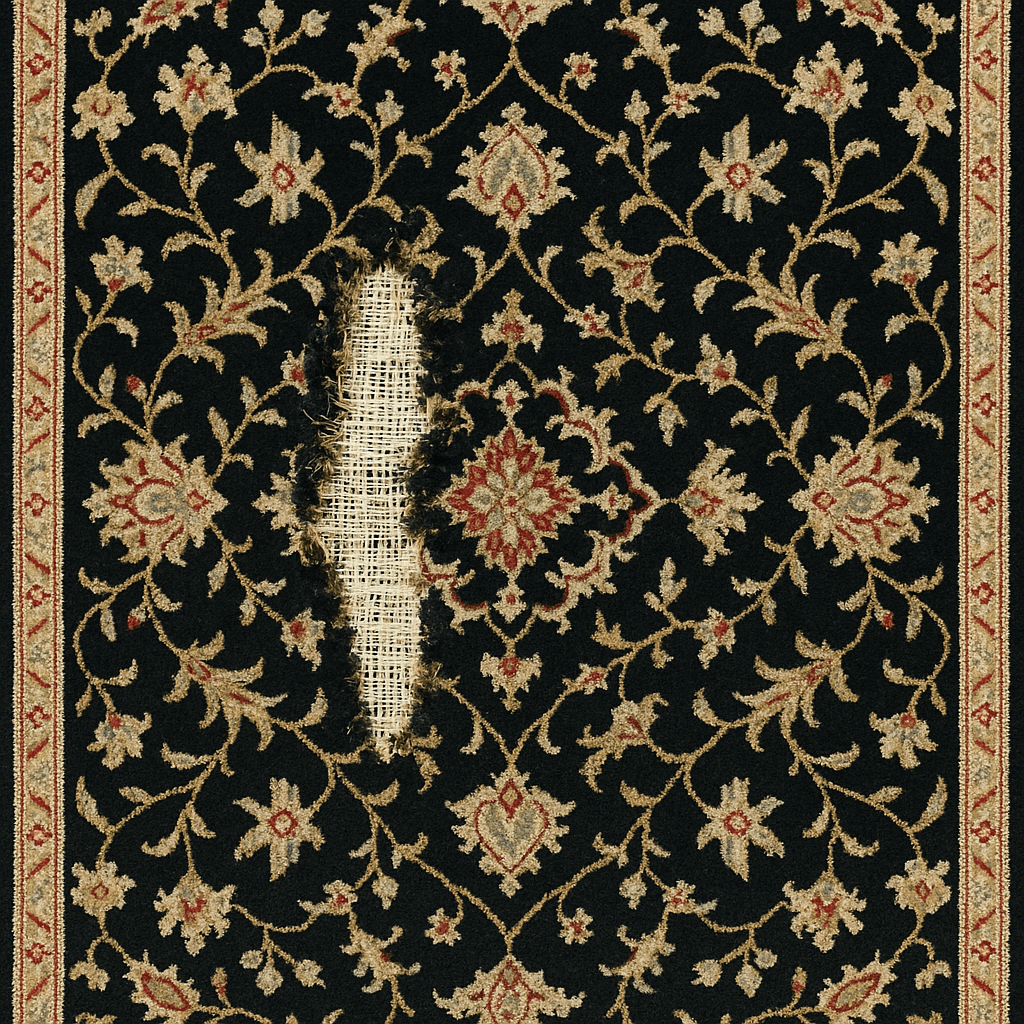
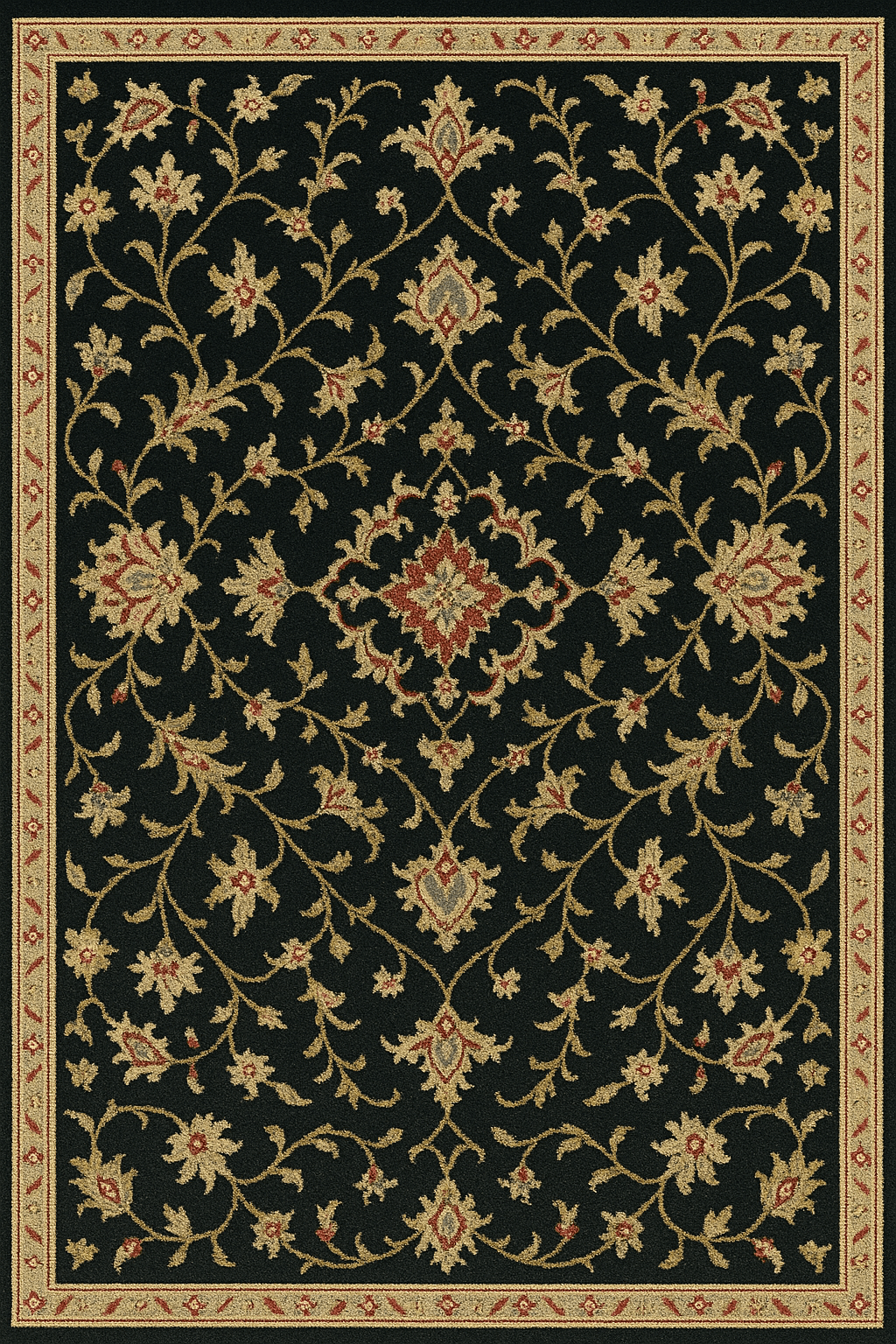
Before & after
A raw edge, finished.
What we work on
Serging by rug type.
- Broadloom remnants — cut-to-size finishing
- Machine-made rugs — Karastan, Couristan, Stark
- Wool — cut-down and re-bound
- Oriental — where overcasting is too damaged
- Persian — after resizing work
- Sisal and natural fiber — flat binding
- Outdoor rugs — weather-resistant thread
- Custom shapes — oval, round, irregular
Insurance & estimates
Free estimates. Trade invoicing.
Serging after a cut or resize is typically a trade or design decision, priced per linear foot and invoiced with full written scope. When serging follows an insured event (cut from water-cleanup, fire-edge trim), we bill State Farm, Allstate, AAA, Farmers, and most Bay Area carriers directly.
Service areas
Free pickup & delivery across the Bay Area.
Serging FAQ
Common questions.
Should I choose serging or overcasting?
Overcasting is the traditional finish for hand-knotted rugs with intact selvedge cords. Serging is the right choice for cut broadloom, machine rugs, and hand-knotted rugs whose edges are too damaged for overcasting.
Can you match any color?
Yes. Standard rug colors (burgundy, navy, ivory, tan, grey, black) are stocked. Custom field colors are matched to a wool sample from the rug — takes an extra day.
How long does serging last?
On a normal-traffic rug, ten to twenty years. On high-traffic or outdoor rugs, five to ten. We can re-serge as a wear item.
Do you serge outdoor rugs?
Yes — with UV-stable synthetic thread rather than wool or cotton, which degrade outdoors. Let us know the rug is for outdoor use so we select the right thread.
Can I serge a rug to a custom shape?
Yes. Ovals, rounds, and irregular shapes are all possible. The serging follows the cut line and is fully hand-finished around curves.
Send us a photo
Bring it in or send a photo for a free estimate.
Measurements and a photo of the edge is all we need for a written estimate within 24 hours.