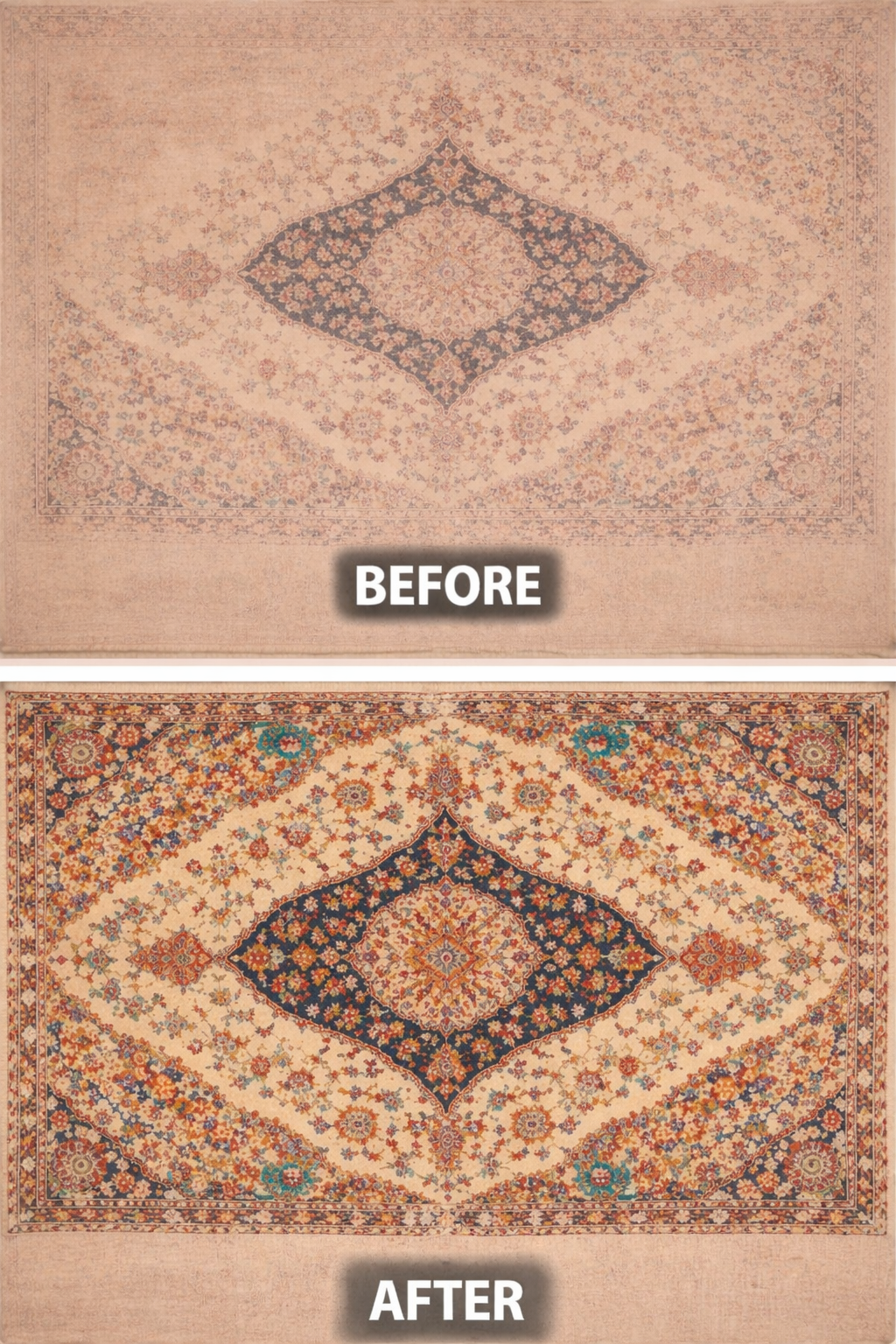
Rug Overcasting
Edges that stop
fraying before
the field.
Overcasting is the hand-stitched spiral that armors the long edges of a rug. When it goes, the knots go. We re-stitch in matched wool, by linear foot.
Starting price
From $39 per linear foot. Hand-stitched overcasting, matched wool thread. Minimum $95.
Typical time on bench
Depends on total edge length. Room-size rug: roughly one week.
Door-to-door
Pickup, bench work, delivery. Free pickup across the Bay Area.
See the full repair pricing table or contact us for a rug-specific quote.
What is overcasting?
The spiral stitch that holds the weave together.
Every hand-knotted rug has a long-edge treatment called overcasting — a spiral wrap of wool (or sometimes goat hair) around the selvedge cords that bind the weft ends of the rug. When overcasting is intact, the rug holds together like a book with a strong spine. When it wears through — from foot traffic, vacuum wheels, or a curious dog — the selvedge cords fray and the knots at the edge start unraveling inward.
Overcasting is different from fringe. Fringe is the warp ends on the short sides of the rug. Overcasting is the long-side edge finish — it goes the length of the rug, not the width. Both can fail independently, and both are worth addressing before they reach the knotted field.
A rug with worn overcasting can lose twenty to thirty percent of its resale value at appraisal. Fresh overcasting, properly matched, is one of the quietest improvements you can make — invisible to the eye, structural for the rug.
Our process
Five steps to a full new edge.

-
Assess
Measure the total length of damaged edge. Inspect whether the selvedge cords underneath are still intact — if not, they get rebuilt before overcasting.
-
Match materials
Dye new wool thread to the rug’s original edge color. Most modern rugs use wool; some tribal rugs use goat hair, which we source specifically.
-
Execute
Re-stitch the spiral by hand over the selvedge cords, matching the original pitch. A trained hand sets 5–8 stitches per inch depending on the rug’s weave density.
-
Blend & finish
Lock the transitions at each end of the repair so the new stitch flows seamlessly into the existing edge. No visible start, no visible stop.
-
Quality review
A second master weaver checks tension, color match, and stitch count before the rug leaves. If it shows, we redo it.
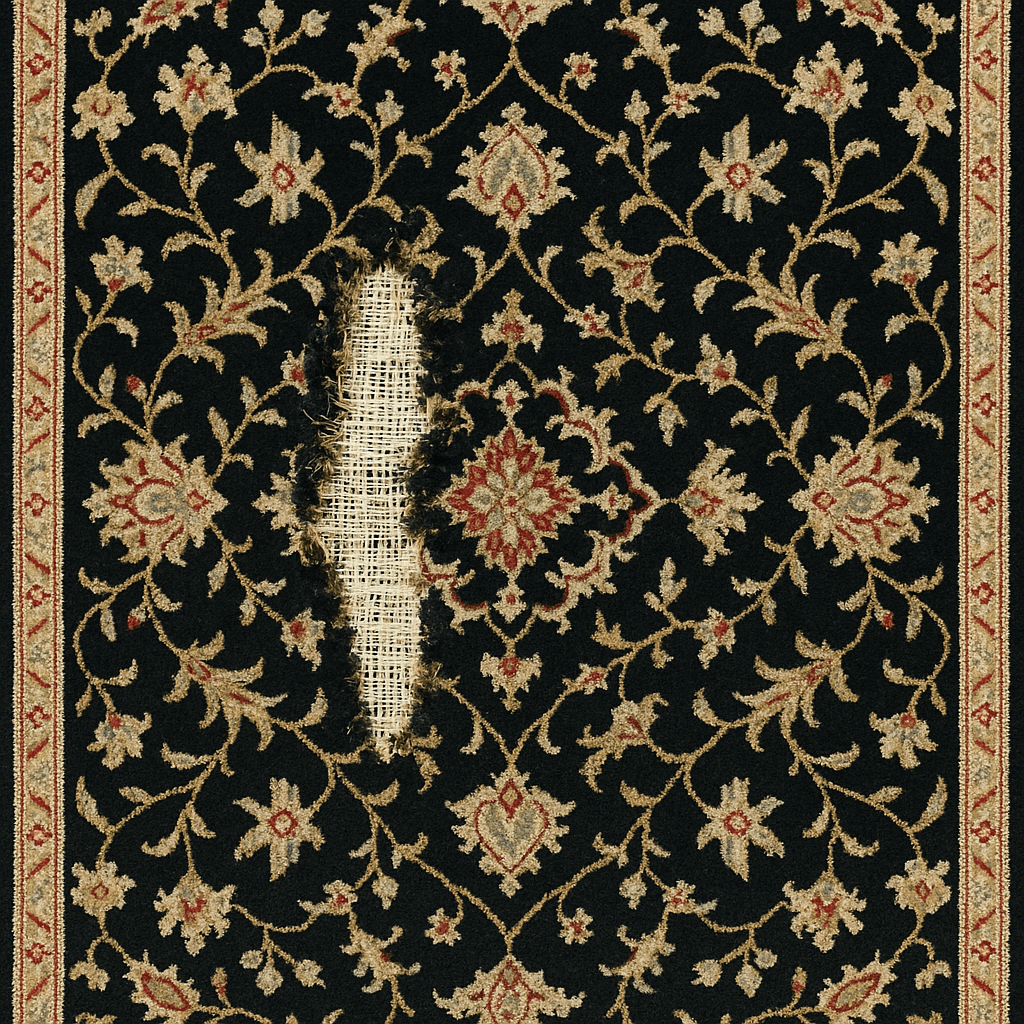
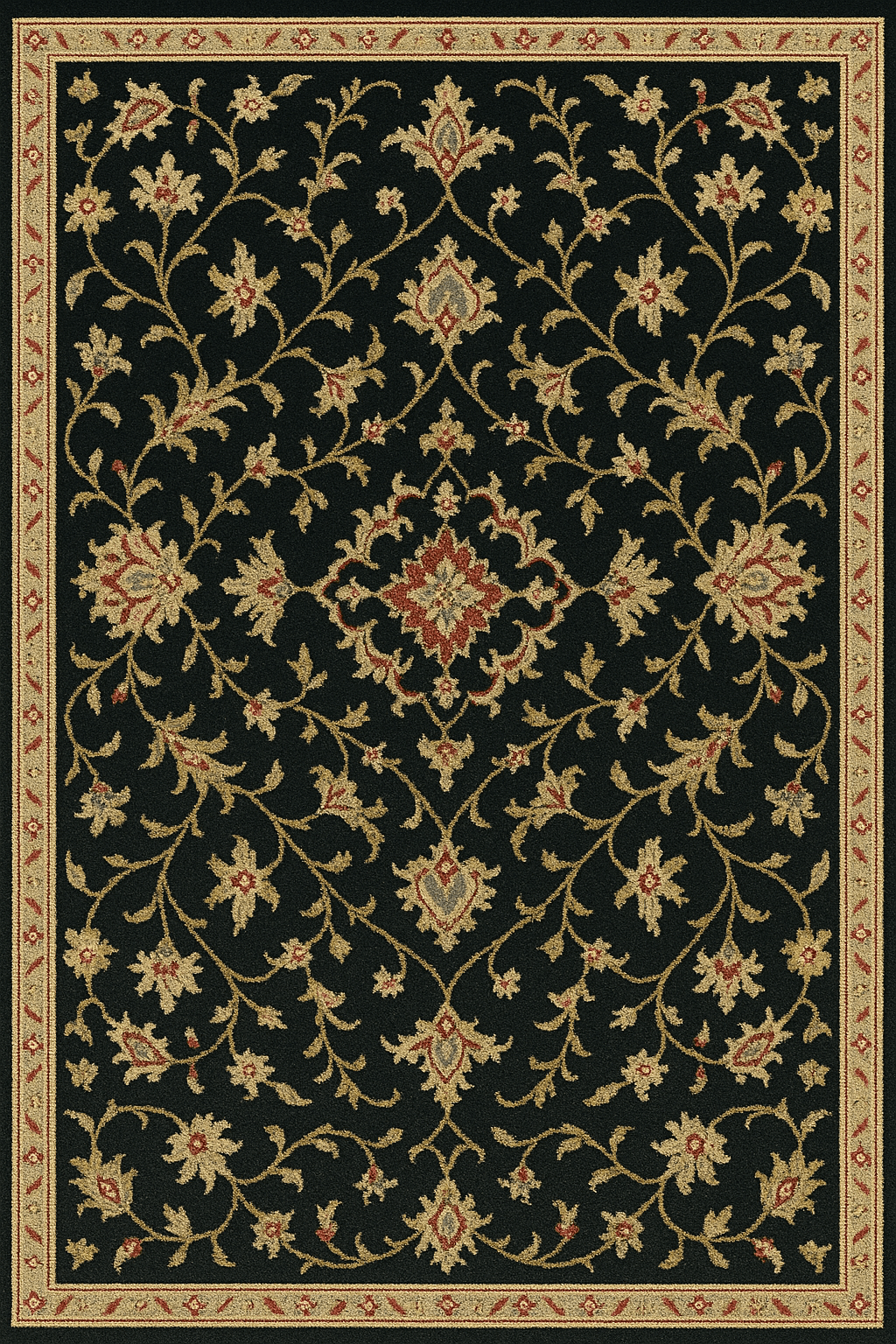
Before & after
Frayed edge, restored.
What we work on
Overcasting by rug type.
Insurance & estimates
Free estimates. Direct insurance billing.
Overcasting damage from water, fire, or pet accidents is frequently covered by homeowner’s policies. We photograph condition, write a scope-of-work letter, and bill State Farm, Allstate, AAA, Farmers, and most Bay Area carriers directly. You pay your deductible; we handle the claim.
Service areas
Free pickup & delivery across the Bay Area.
Overcasting FAQ
Common questions.
What’s the difference between overcasting and serging?
Overcasting is the traditional hand-spiral stitch used on knotted rugs — it sits over existing selvedge cords. Serging is a wider, flatter machine-style bind used to finish cut machine-made rugs. We offer both; for a Persian or Oriental, overcasting is the right match.
Will the new stitch color match exactly?
We dye wool thread to the original color before stitching. On well-matched work, the only visible difference is that the new thread is cleaner — it ages into the rug within six to twelve months.
How long does overcasting last?
Fifteen to thirty years on a household rug in a normal-traffic room, if the rug is rotated annually and vacuumed carefully (no vacuum wheels on the edge).
Can I overcast just a small worn section?
Yes. We price by linear foot and can re-stitch only the damaged portion. We will always locate our start and stop at a natural break so the patched area is invisible.
Is the work machine-done or by hand?
By hand, always. Overcasting on a hand-knotted rug should only be hand-stitched — machine stitching compresses the selvedge and can crush warp threads.
Send us a photo
Bring it in or send a photo for a free estimate.
A photo of the damaged edge and the total length is enough for a written estimate within 24 hours.