Rug Moth Damage Repair
Treatment.
Reweaving.
Prevention.
Moths eat the wool, not the cotton — and they leave behind larvae that keep working until the rug is gone. We treat the infestation, reweave the loss, and moth-proof the foundation.
30-minute callback
Get a free written estimate.
No site visit needed. Send your rug type and a photo if you have one — we’ll quote, schedule pickup, and have it back in 7–10 days.
Starting price
Quoted on inspection — insurance billed direct. Insurance accepted.
Reweave pricing, same as general reweaving. Treatment and moth-proofing add flat fees.
Typical time on bench
Treatment + wash + reweaving + moth-proofing, sequenced.
Insurance claims
Moth damage is often covered under homeowner’s personal property.
Every project is quoted after inspection. Insurance billed direct.
What is moth damage repair?
Treat the infestation. Reweave the loss. Prevent the return.
Clothes moths (Tineola bisselliella) lay eggs on wool rugs, and the larvae eat the pile — not the cotton foundation. What looks like a hole in a rug is actually a bald spot where the knots have been chewed down to the warp. The infestation is typically invisible to the owner until the damage shows; by then the larvae have usually moved on or died, but their eggs can persist for months waiting to hatch again.
Moth damage repair is a three-part job. First, treat any active infestation with a cold-water wash and thermal or pheromone treatment — this kills larvae and eggs. Second, reweave the pile loss knot-by-knot with matched wool on the existing cotton warp (the foundation is usually intact). Third, apply a natural moth repellent to the foundation to prevent future egg-laying.
The work is similar to general reweaving but adds the treatment and prevention steps. We also recommend a yearly moth-repellent refresh for rugs stored or kept in dim, low-traffic areas — which is where moths establish in the first place.
Our process
Five stages of moth repair.
-
Assess
Map all pile loss with photographic reference. Check foundation for larvae, casings, and eggs under magnification. Photograph for insurance documentation if applicable.
-
Treat & match
Cold-water immersion wash to kill eggs and larvae. Hand-spin wool to match gauge, twist, and color. Mix natural dyes to match the field under daylight.
-
Execute reweave
Knot-by-knot reweave on the existing cotton warp. Same knot style as the rug’s original. Wefts re-tensioned between rows. Slow — hand work is the only option.
-
Moth-proof
Apply a natural, lanolin-safe moth repellent to the foundation cotton and the underside of the rug. Effective for 12 months, re-appliable at future cleanings.
-
Quality review
A second master weaver confirms the reweave quality, infestation clearance, and moth-proofing coverage. We issue a certificate of treatment and re-treatment reminder.
Before & after
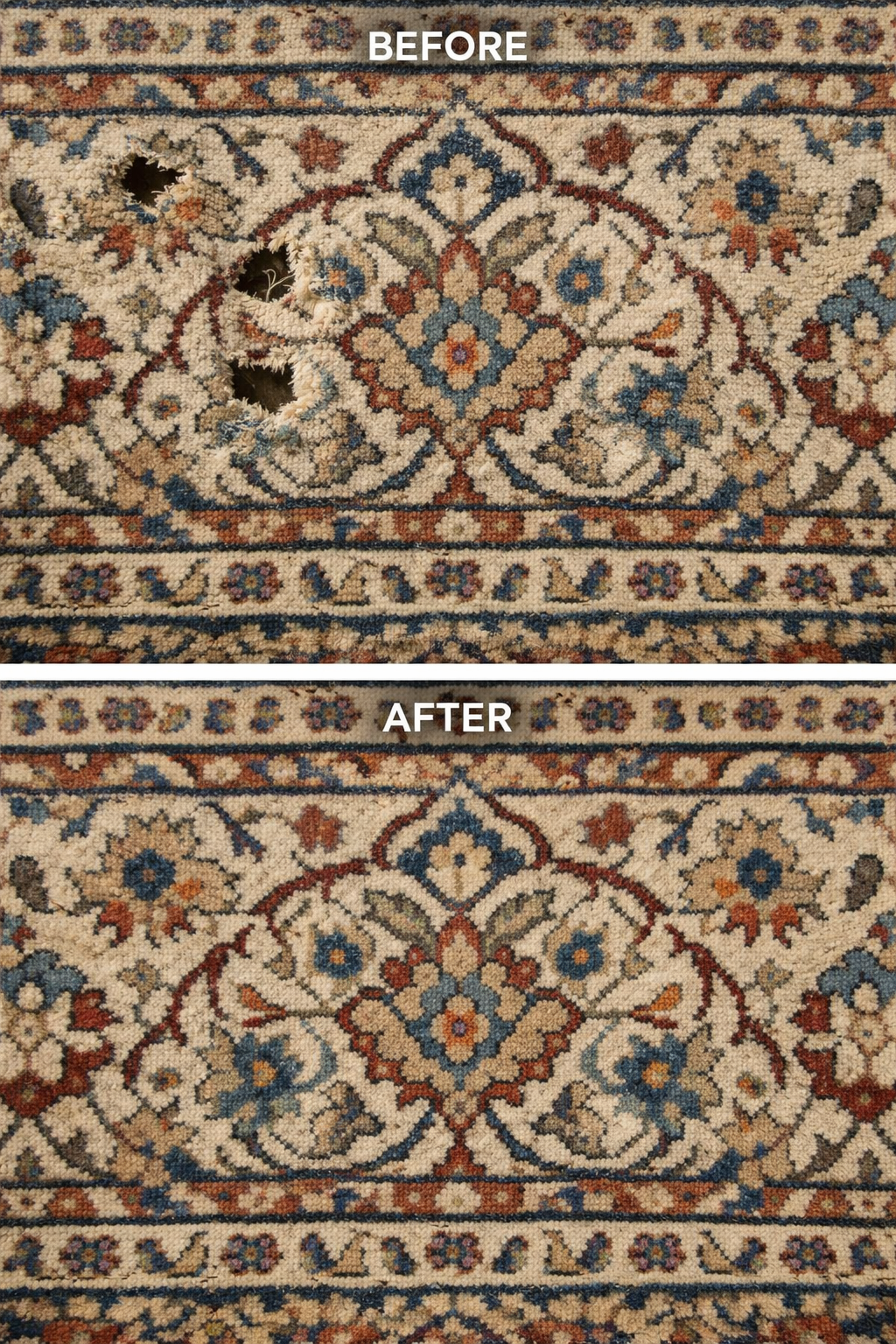
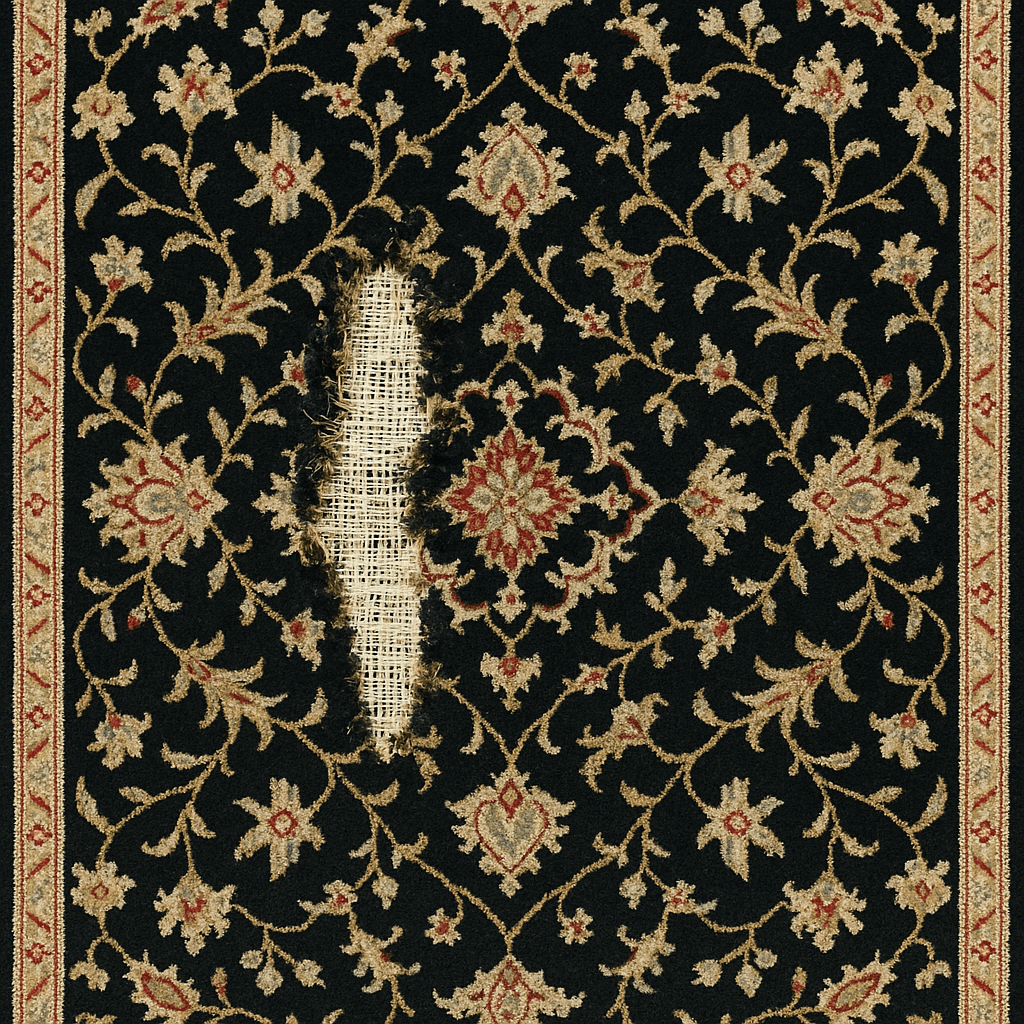
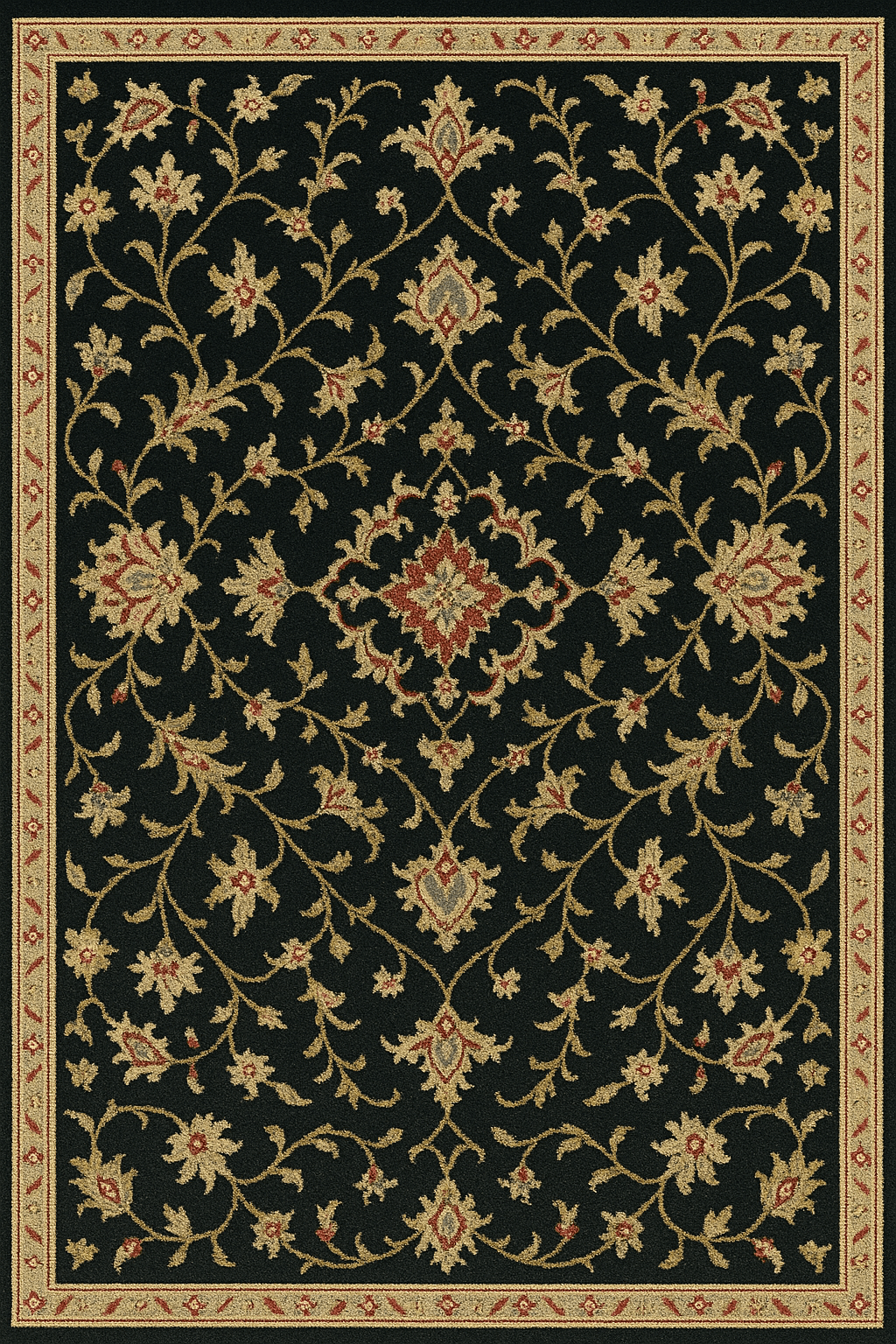
A Peshawar runner, moth-eaten, restored.
Eighteen square inches of border loss, rewoven and moth-proofed.
What we work on
Moth damage repair by rug type.
- Wool — all wool-pile rugs (highest risk)
- Persian — Kashan, Tabriz, Heriz, Kerman
- Oriental — Turkish, Chinese, Caucasian
- Silk — silk pile on cotton warp
- Antique — 80+ years, vegetable-dyed wool
- Afghan and tribal — Turkoman, Baluch
- Modern hand-knotted — Pakistani, Indian
- Storage-damaged rugs — decades-old infestations
Insurance & estimates
Insurance claims welcome.
Moth damage is covered under many homeowner’s personal property policies, particularly for scheduled valuables and antiques. We photograph the damage, calculate reweave square inches, write a scope-of-work letter, and bill State Farm, Allstate, AAA, Farmers, and most Bay Area carriers directly. For estates and appraisals, we provide pre- and post-treatment documentation.
Service areas
Free pickup & delivery across the Bay Area.
Moth FAQ
Common questions.
Can you save a heavily moth-damaged rug?
Almost always. Moths eat the wool but not the cotton foundation, so the structural base of the rug is usually intact. We have reweaved rugs with 40-50% of the pile lost. Beyond that, the cost approaches the price of a comparable replacement — and we will tell you so before we begin.
Will the repair show?
If we have matched the wool, the dye, and the knot style, no. A trained appraiser could find the repair under magnification by knot pattern; in the room, it will look like the original rug.
How do you prevent re-infestation?
Three layers: (1) cold-water wash during repair kills eggs and larvae; (2) natural moth-repellent coating on the foundation prevents new egg-laying for about 12 months; (3) yearly re-treatment at future cleanings keeps the protection active. Storage or dim-area rugs need more frequent attention.
Is the moth treatment safe for people and pets?
Yes. Our moth repellent is a natural lanolin-based formula that does not contain DDT, permethrin, or synthetic pyrethroids. Safe for wool and safe for households with children and pets. We do not use chemical fumigation on rugs.
Do you handle insurance claims?
Yes. Moth damage is often covered under scheduled-valuables or personal-property homeowner policies. We document, quote, and bill insurance directly. You handle the deductible and we handle the rest.
I think I might have moths — should I get the rug checked?
Yes — the earlier we catch it, the less reweaving is required. Signs: small bald spots in the pile, larva casings on the underside of the rug, tiny moth sightings in the room. Bring the rug in or ship photos; we inspect for free.
Send us a photo
Bring it in or send a photo for a free estimate.
Photos of the damaged area with a ruler and of the rug’s underside help us scope treatment and reweaving accurately.