Free pickup & delivery in SF + Peninsula · (650) 675-8160 · (510) 240-7360 Mon–Fri 9–5

Blog

  • Sheepskin and Cowhide Rug Cleaning: A Complete Care Guide

    Sheepskin and Cowhide Rug Cleaning: A Complete Care Guide

    Sheepskin and Cowhide Rug Cleaning: A Complete Care Guide

    Sheepskin and cowhide rugs have taken over Bay Area interiors — and honestly, it’s easy to see why. A sheepskin draped over a mid-century chair gives instant warmth to a minimalist room. A cowhide anchoring a living space adds texture without overwhelming the design. They’re statement pieces that work in almost any style, from Silicon Valley modern to Marin County farmhouse.

    But here’s the thing nobody tells you at the furniture store: hide rugs are a completely different animal (literally) from woven rugs, and they need completely different care. What works on a wool Oriental will damage a sheepskin. What cleans a cowhide can ruin a synthetic rug. These are natural hides with their own set of rules.

    After decades of cleaning every type of rug imaginable, we’ve got hide care down to a science. Here’s what you need to know.

    Sheepskin Rug Care

    Sheepskin rugs are exactly what they sound like — the tanned hide of a sheep with the wool fleece still attached. The leather backing is the hide itself. This two-layer construction (leather + wool) creates some unique care challenges.

    Regular maintenance:

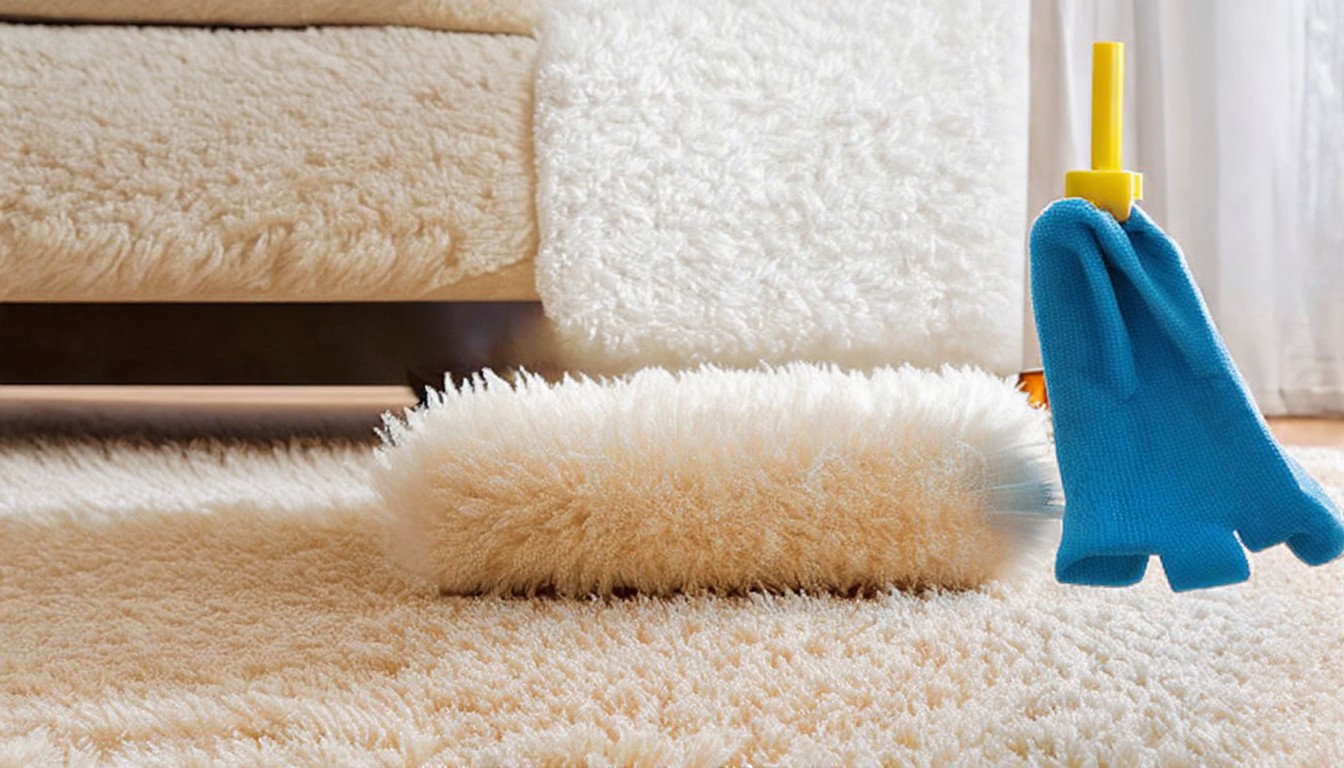
    Give your sheepskin a good shake outdoors every week to dislodge loose dirt and refresh the fibers. For light surface cleaning, vacuum on the lowest suction setting without a beater bar. A wide-tooth comb or pet brush can help detangle matted areas and keep the fleece fluffy and soft.

    Spot cleaning:

    For small spills, blot immediately with a clean white cloth. Use cold water only — never warm, which can shrink the leather backing. For stubborn spots, a tiny amount of wool-safe detergent (like Woolite) diluted in cold water can help. Apply with a cloth, blot the area gently, then blot with clean cold water to rinse. Let it air dry away from heat sources.

    What to avoid:

    Never submerge a sheepskin in water yourself. The leather backing needs very specific handling when wet — improper drying will cause it to stiffen, crack, and shrink. Never use bleach, carpet cleaner, or any alkaline product. Never dry in direct sunlight or with a hair dryer. Never machine wash (yes, some websites suggest this — they’re wrong for anything you want to keep looking nice).

    Professional cleaning:

    We recommend professional sheepskin cleaning every 1-2 years, or sooner if it gets significant use. Our process uses specialized solutions that clean the wool fibers while conditioning the leather backing to keep it soft and supple. The result is a sheepskin that looks and feels like new.

    Cowhide Rug Care

    Cowhide rugs are tanned cattle hides — flat, thin, and naturally patterned with the animal’s original markings. No two cowhides look exactly alike. They’re durable, naturally resistant to stains and odor, and surprisingly easy to maintain. But they do have some specific care needs.

    Regular maintenance:

    Shake your cowhide outdoors periodically to remove loose dirt. Vacuum the hide side using suction only — a handheld vacuum or attachment works well. For the underside, a gentle vacuum pass prevents dust buildup. Cowhide rugs don’t need to be vacuumed as often as wool — every 2 weeks is typically sufficient.

    Spot cleaning:

    Cowhide’s smooth surface makes spot cleaning relatively easy. Wipe spills with a damp (not wet) cloth. For sticky or stubborn spots, a tiny amount of mild soap with water, wiped in the direction of the hair, usually does the trick. Wipe again with a clean damp cloth to remove soap residue. Dry with a towel.

    What to avoid:

    Never saturate a cowhide with water. Never use steam cleaning equipment. Never use harsh chemicals, bleach, or carpet cleaners. Avoid direct sunlight for extended periods — while cowhide is more sun-resistant than wool, prolonged UV exposure can fade the natural markings over time.

    Professional cleaning:

    Professional cowhide cleaning every 2-3 years keeps the hide supple and the surface clean. Our process removes embedded dirt, conditions the leather, and preserves the natural patterns and texture.

    Common Problems and Solutions

    Matted sheepskin wool: Regular brushing with a wire pet brush or wide-tooth comb prevents matting. For severely matted areas, lightly mist with water and brush gently. Professional cleaning and grooming is the most effective solution.

    Stiff leather backing: This usually means the hide has been exposed to too much moisture or heat at some point. Professional conditioning can often restore flexibility, though severely damaged leather may not fully recover.

    Curling cowhide edges: This is normal — cowhide is a natural material and can curl slightly, especially in changing humidity. Place heavy books or furniture legs on the curling edges for a few days. For persistent curling, a non-slip rug pad underneath helps keep the hide flat.

    Odor: A fresh sheepskin or cowhide may have a slight natural odor that dissipates within a few weeks. If an older hide develops odor, it typically indicates bacterial growth from trapped moisture. Professional cleaning and deodorization resolves this.

    When to Call Us

    Bring your hide rug to ABC if:
    – It hasn’t been cleaned in over 2 years
    – A pet has had an accident on it
    – The sheepskin wool is matted and brushing isn’t working
    – The leather backing feels stiff or cracked
    – There’s a persistent odor
    – You’re moving and want it cleaned before putting it in your new home

    We offer free pickup and delivery across the Bay Area for all rug types, including sheepskin and cowhide.

    Call (510) 240-7360 or book your pickup online.

    Frequently Asked Questions

    Can you wash a sheepskin rug in the washing machine?
    We strongly advise against it. Machine washing can shrink the leather backing, felt the wool fibers, and distort the shape. Some small, inexpensive sheepskins may survive a gentle cycle, but for any sheepskin you value, professional cleaning is the safe choice.

    How do I keep my cowhide rug from sliding?
    Use a thin non-slip rug pad cut to fit underneath. This also prevents the hide from scratching hardwood floors and helps keep curling edges flat.

    Can pet stains be removed from sheepskin?
    Yes, but professional treatment is strongly recommended. Pet urine can damage both the wool fibers and the leather backing. The sooner it’s treated, the better the results.

    How long do sheepskin and cowhide rugs last?
    With proper care, a quality cowhide rug lasts 10-15+ years. Sheepskin rugs typically last 5-10 years with regular use, longer if used as accent pieces rather than high-traffic floor rugs. Professional cleaning extends the lifespan of both.


    ============================================================
    GBP POST #8
    ============================================================
    IMAGE PROMPT: “A white fluffy sheepskin rug draped over a modern chair with a natural brown cowhide rug on the hardwood floor beside it. Bright Scandinavian-style room.”
    CTA BUTTON: Book Online → https://abcrugs.zohobookings.com/

    POST TEXT:
    Sheepskin or cowhide rug? Here’s what you need to know about caring for them 👇

    🐑 Sheepskin: Shake weekly, brush with a wide-tooth comb, vacuum on lowest suction. Never machine wash — the leather backing can shrink and crack.

    🐄 Cowhide: Wipe spills with a barely damp cloth. Vacuum every 2 weeks, suction only. Never saturate with water.

    Both need professional cleaning every 1-2 years to keep the leather supple and fibers fresh.

    Our specialized process cleans the fibers while conditioning the leather — they come back looking brand new.

    Free pickup across the Bay Area.

    📖 Read more: https://www.abcrugs.com/blog/sheepskin-cowhide-rug-cleaning/
    📞 (510) 240-7360
  • Navajo Rug Cleaning: Preserving a Piece of American Heritage

    Navajo Rug Cleaning: Preserving a Piece of American Heritage

    Navajo Rug Cleaning: Preserving a Piece of American Heritage

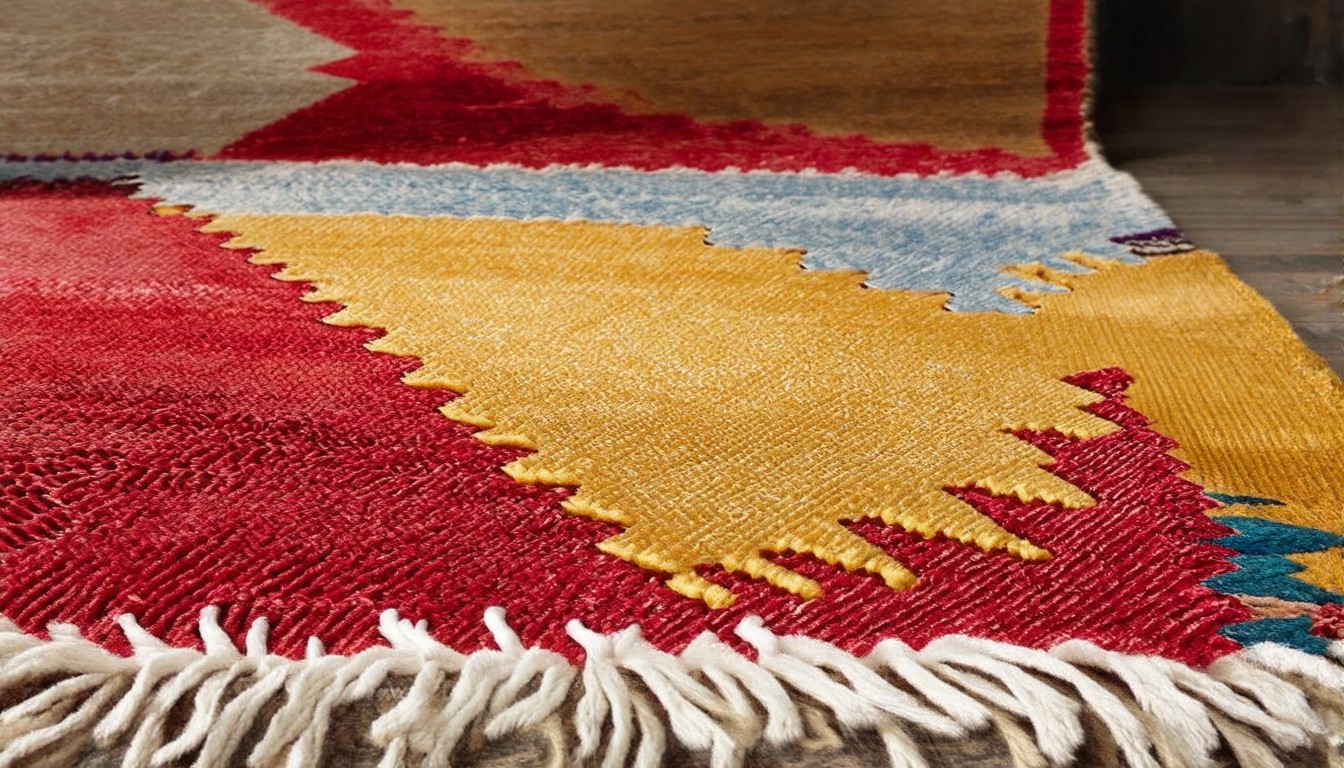
    Not every rug that comes through our doors is a Persian or Oriental. Some of the pieces we’re most honored to care for are Navajo textiles — woven by Indigenous artisans using techniques that have been passed down through generations for centuries.

    Navajo rugs hold a unique place in American cultural heritage. They’re not just floor coverings or decorations. They carry stories, traditions, and a connection to the land and people who created them. Many of the Navajo textiles we see were handed down through families, purchased directly from weavers, or acquired at auctions and galleries. Some are museum-quality pieces worth tens of thousands of dollars.

    And they require a completely different cleaning approach than almost any other rug type.

    What Makes Navajo Textiles Unique

    Navajo weaving is fundamentally different from the knotted-pile construction of Persian and Oriental rugs:

    Flat weave construction. Navajo textiles are woven on upright looms using a tapestry technique — the yarn is woven tightly in a flat pattern with no pile. This creates a dense, sturdy fabric, but it also means the textile is thinner and more vulnerable to certain types of damage than thick-pile rugs.

    Natural fibers. Traditional Navajo rugs are made from Churro sheep wool — a distinctive breed that produces a long, lustrous fiber. The wool is often hand-carded and hand-spun by the weaver. Some pieces use commercially spun yarn, but the fiber is still natural wool.

    Natural and aniline dyes. Older Navajo textiles may use natural dyes from plants, minerals, and insects — indigo for blue, native plants for yellow and green, cochineal for red. More recent pieces often use commercially dyed yarn. Both types require careful handling, but natural dyes are especially sensitive to moisture and pH changes.

    Structural vulnerability. Because Navajo rugs are flat-woven rather than knotted, they can be more susceptible to distortion, warping, and edge damage. The selvage (finished edge) and lazy lines (where the weaver changed the weft direction) are structural points that need careful attention during cleaning.

    Cultural significance. This matters. A Navajo rug is a cultural artifact. It represents not just material value but historical and cultural value. Treating it with the respect it deserves means understanding what it is and where it came from.

    Why Standard Cleaning Methods Damage Navajo Rugs

    The flat-weave construction of Navajo textiles means many standard rug cleaning techniques are inappropriate:

    Machine cleaning can distort the flat weave and damage selvage edges. The agitation is too aggressive for tapestry-weave construction.

    Excessive moisture can cause natural dyes to bleed and can warp the tight, flat weave. Navajo rugs need controlled, minimal moisture during cleaning.

    Alkaline cleaners can damage natural dyes and strip lanolin from the Churro wool, leaving it brittle and dull.

    Hanging while wet puts tremendous stress on the warp threads and can permanently stretch the textile out of shape.

    Aggressive brushing or agitation can damage the flat surface texture and cause pilling or fuzzing of the wool.

    At-Home Care for Navajo Rugs

    Between professional cleanings, here’s how to maintain your Navajo textile at home:

    Vacuum gently. Use suction only — never a beater bar. Because Navajo rugs are flat and thin, the beater bar can be especially damaging. Vacuum both sides, and vacuum the floor beneath the rug as well.

    Rotate regularly. Like all rugs, Navajo textiles benefit from rotation to distribute wear and sun exposure evenly. Every 3-6 months is ideal.

    Keep away from direct sunlight. Natural dyes are particularly vulnerable to UV fading. If your Navajo rug hangs on a wall or sits near windows, UV-filtering glass or window film is essential.

    Address spills carefully. Blot immediately with a clean white towel. Use cold water only. Do not rub, scrub, or apply any cleaning products. For anything beyond a minor surface spill, call a professional.

    Store properly. If you need to store a Navajo textile, roll it (never fold — folds create stress lines that can become permanent). Wrap in acid-free tissue or clean cotton sheeting. Store in a cool, dry location away from direct light. Our climate-controlled storage is ideal for valuable Navajo pieces.

    Professional Navajo Rug Cleaning at ABC

    At our Newark facility, Navajo textiles receive specialized treatment:

    Careful inspection. We examine the textile’s age, dye type (natural vs. commercial), fiber condition, structural integrity, and any existing damage. This determines our exact cleaning approach.

    Dye testing. This is critical for Navajo rugs with natural dyes. We test every color for stability before any moisture is introduced.

    Controlled hand cleaning. We use minimal moisture and pH-neutral solutions specifically selected for wool. The cleaning is done entirely by hand with soft techniques that respect the flat-weave structure.

    Flat drying. The textile dries flat, never hanging, in our climate-controlled facility with gentle air circulation.

    Structural assessment. After cleaning, we inspect for any edge wear, selvage loosening, or structural concerns. If repairs are needed, we can provide restoration services to secure edges, repair holes, or stabilize weak areas.

    Appraisal and Insurance

    If you own a Navajo rug of any age or origin, we strongly recommend having it professionally appraised. Values have appreciated significantly in recent years, and many owners are surprised to learn their Navajo textile is worth considerably more than they expected.

    An appraisal also provides documentation for insurance purposes — critical if your home experiences water damage, fire, or theft.

    Honoring the Craft

    Every Navajo rug represents hundreds of hours of skilled labor and centuries of cultural tradition. When you bring one to us, we don’t just see a textile to clean — we see a piece of living history that deserves careful, respectful stewardship.

    Call (510) 240-7360 or schedule your free pickup for expert Navajo rug care.

    Frequently Asked Questions

    How often should I clean my Navajo rug?
    Every 2-3 years for display pieces, or sooner if the rug is on the floor with regular foot traffic. Between professional cleanings, gentle vacuuming on both sides is sufficient.

    Can moth damage on Navajo rugs be repaired?
    Yes, in most cases. Moth damage repair on flat-weave textiles requires specialized reweaving that matches the original technique and yarn. We assess moth damage during inspection and provide repair estimates as needed.

    How can I tell if my Navajo rug is authentic?
    Authentic hand-woven Navajo rugs have slight irregularities in the weave, natural yarn variations, and typically show the warp threads at the edges. Machine-made reproductions have uniform perfection and often use synthetic fibers. If you’re unsure, bring it to us for a free assessment.

    Is it safe to hang my Navajo rug on the wall?
    Yes, with proper support. Use a fabric sleeve sewn to the top edge and a dowel or rod to distribute the weight evenly. Never use tacks, nails, or clips directly through the textile, which create permanent holes and stress points.


    ============================================================
    GBP POST #7
    ============================================================
    IMAGE PROMPT: “Museum-quality photo of an authentic Navajo rug with bold red, black, and cream geometric patterns laid flat on a white surface. Art gallery lighting.”
    CTA BUTTON: Book Online → https://abcrugs.zohobookings.com/

    POST TEXT:
    Navajo rugs aren’t just floor coverings — they’re cultural treasures that require specialized care.

    Unlike knotted-pile rugs, Navajo textiles are flat-woven tapestry, which means standard cleaning methods can distort the weave and damage natural dyes.

    Our approach:
    ✅ Careful dye testing (critical for natural dyes)
    ✅ Minimal-moisture hand cleaning
    ✅ pH-neutral wool-safe solutions
    ✅ Flat drying — never hanging
    ✅ Structural assessment and repair options

    If you own a Navajo rug, we also recommend professional appraisal — values have appreciated significantly in recent years.

    📖 Full guide: https://www.abcrugs.com/blog/navajo-rug-cleaning-care/
    📞 (510) 240-7360 | Free pickup

  • How to Clean a Shag Rug Without Ruining It

    How to Clean a Shag Rug Without Ruining It

    How to Clean a Shag Rug Without Ruining It

    If you own a shag rug, you already know the deal. It’s soft. It’s cozy. Your feet disappear into it. And it collects absolutely everything — crumbs, pet hair, dust, that popcorn kernel from three movie nights ago that somehow teleported to the center of the rug.

    Shag rugs are basically fluffy magnets for mess. That deep, luxurious pile that feels so incredible between your toes is also creating a warm, dark forest floor where dirt, allergens, and mystery particles go to hide.

    The good news? With the right routine, you can keep your shag rug looking and feeling amazing. The trick is knowing that shag requires a different approach than flat-weave or standard pile rugs. What works on your Persian rug won’t work here, and vice versa.

    Why Shag Rugs Are Uniquely Challenging to Clean

    The defining feature of a shag rug — that long, deep pile — is also what makes cleaning tricky:

    Dirt sinks deep. In a standard pile rug, most dirt sits in the top half-inch of fiber. In a shag rug with 2-3 inches of pile, dirt migrates all the way to the base, where your vacuum can barely reach it. Over months and years, this builds up into a compressed layer of grit that’s essentially invisible from the surface.

    Traditional vacuuming is less effective. A regular vacuum with a beater bar can actually tangle, pull, and damage shag fibers. And even without the beater bar, suction alone struggles to pull dirt from the deepest parts of a 3-inch pile.

    Moisture gets trapped. That thick pile also holds onto moisture much longer than thin rugs. Spills soak in and stay wet, creating a breeding ground for mold, mildew, and bacteria if not dried properly.

    Pet hair becomes embedded. If you have pets, you know — pet hair weaves itself into shag pile like it’s building a nest. Regular vacuuming removes the surface hair, but a significant amount gets woven deep into the fibers.

    The Right Way to Vacuum a Shag Rug

    Most shag rug owners are either vacuuming wrong or not vacuuming often enough. Here’s the correct technique:

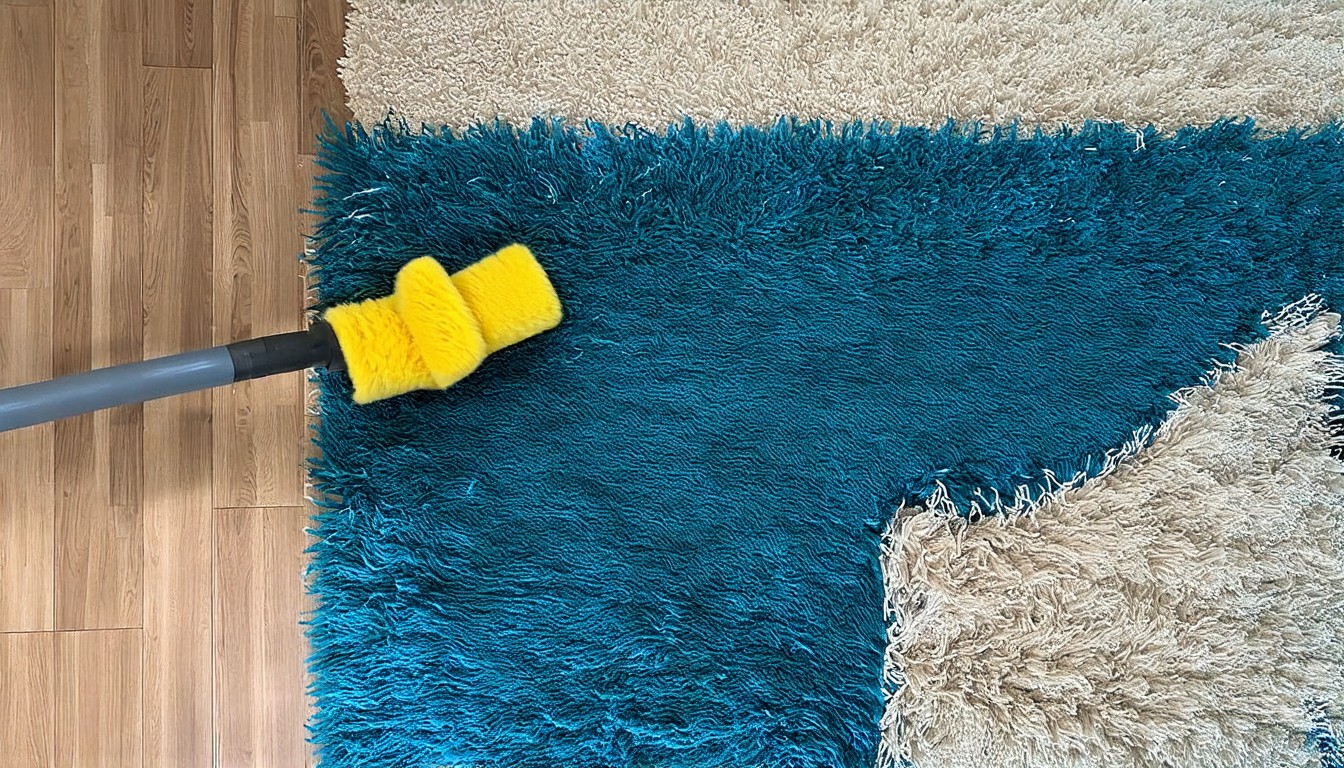
    Turn off the beater bar. This is non-negotiable. The rotating brush will wrap around shag fibers, pulling and tangling them. Use suction only.

    Set to the highest pile setting. Adjust your vacuum height to the tallest setting so it glides across the surface without digging into the pile.

    Go slow. Unlike short-pile rugs where you can vacuum quickly, shag requires slow, deliberate passes. Give the suction time to pull particles up through the deep pile.

    Use a handheld attachment for edges. The crevice tool or upholstery attachment can get into the edges and corners where the regular head struggles.

    Vacuum 2-3 times per week in high-traffic areas. Shag in a living room or family room needs more frequent attention than you’d think. The pile hides dirt so well that by the time it looks dirty, there’s already a significant amount of soil built up at the base.

    Shake it out monthly. If your shag rug is small enough to take outside, give it a vigorous shake over a railing or clothesline once a month. You’ll be shocked at what falls out. For larger rugs, flip them over and vacuum the back — this dislodges dirt that’s settled to the base.

    Spot Cleaning Shag

    Spills happen. Here’s how to handle them without creating a bigger problem:

    Blot immediately. Use a clean white towel and blot from the outside of the spill inward. Don’t press hard — you don’t want to push the liquid deeper into the pile.

    Use minimal moisture. For stubborn spots, use a tiny amount of clear dish soap mixed in cold water. Apply with a white cloth, work gently into the stain, then blot with a clean damp cloth to rinse. Blot dry with a fresh towel.

    Separate the fibers to dry. After spot cleaning, gently separate the damp fibers with your fingers so air can circulate and the area dries faster. Pointing a fan at the spot helps enormously.

    Never soak the area. Shag pile holds moisture like a sponge. Over-wetting leads to mold and that musty smell that’s nearly impossible to eliminate without professional help.

    For pet accidents: Follow our pet urine emergency protocol — blot, cold water, blot more. Then call us. Pet urine in a shag rug is especially problematic because the deep pile gives it more fiber surface area to bond with.

    Why Deep Cleaning Shag Requires a Professional

    Here’s the reality: there is no effective way to deep clean a shag rug at home. Let me explain why.

    A shag rug’s pile is simply too deep for surface-cleaning methods to reach the accumulated soil at the base. Rental carpet cleaners create too much moisture and can’t extract it from deep pile. Steam cleaners risk heat damage. And no amount of vacuuming reaches the compacted grit layer.

    Professional shag rug cleaning at our facility involves full immersion hand washing — the rug is submerged and the cleaning solution reaches every fiber from root to tip. This is the only method that removes the deep soil, pet dander, allergens, and bacteria that accumulate in shag over time.

    Our process includes:
    – Thorough dusting to remove dry soil from deep in the pile
    – Pre-treatment of stains and high-traffic areas
    – Full immersion hand wash with fiber-appropriate solutions
    – Deep rinsing to flush all contamination
    – Controlled extraction designed for thick pile
    – Extended drying time (shag takes longer than standard pile — we account for this)
    – Pile grooming to restore that fluffy, lush feel

    How Often Should You Professionally Clean a Shag Rug?

    We recommend annual professional cleaning for shag rugs in main living areas. If you have pets or young children, every 6-8 months is better. Bedroom shag rugs with light foot traffic can go 18 months to 2 years.

    The investment is worth it. Professional cleaning doesn’t just make your shag rug look better — it removes the allergens and bacteria that build up in that deep pile and affect your indoor air quality. If you’ve ever noticed your allergies are worse at home than at work, your rugs might be part of the reason.

    Ready to Bring Your Shag Rug Back to Life?

    There’s nothing quite like stepping onto a freshly cleaned shag rug. It’s softer, fluffier, and — let’s be honest — it smells fantastic.

    We offer free pickup and delivery across the entire Bay Area. We’ll come to your home, carefully roll and wrap your shag rug, bring it to our Newark facility for a thorough deep clean, and return it to you looking like you just bought it.

    Call (510) 240-7360 or book your free pickup online.

    Frequently Asked Questions

    Can I use a carpet cleaner machine on my shag rug?
    No. Rental carpet cleaners push too much water into the deep pile and can’t extract it properly. This leaves the rug saturated, which leads to mold, mildew, and permanent odor. Professional immersion cleaning is the only effective and safe method for deep cleaning shag.

    Why does my shag rug look flat and matted?
    Foot traffic, furniture weight, and accumulated dirt compress shag fibers over time. Regular vacuuming helps, but a professional cleaning with pile grooming is the best way to restore that fluffy look. Between cleanings, you can gently rake the pile with a carpet rake to help lift compressed fibers.

    How do I remove pet hair from a shag rug?
    A rubber-bristled brush or carpet rake works well for surface pet hair. For embedded hair, vacuum slowly with suction only on the highest setting. Professional cleaning removes the deep hair that home methods can’t reach.

    Can you clean a white shag rug?
    Yes. White and light-colored shag rugs are our specialty. Our hand wash process removes embedded dirt that makes white shag look gray over time. We use color-safe solutions that brighten without bleaching.


    ============================================================
    GBP POST #6
    ============================================================
    IMAGE PROMPT: “Top-down photo of a bright white fluffy shag rug on light hardwood floor in a clean, minimalist room with natural daylight.”
    CTA BUTTON: Book Online → https://abcrugs.zohobookings.com/

    POST TEXT:
    Your shag rug is hiding more dirt than you think 👀

    That deep, luxurious pile? It’s also collecting dirt, pet hair, and allergens that your vacuum can barely reach. By the time a shag rug looks dirty, there’s already pounds of grit packed at the base.

    Home cleaning tip: Vacuum 2-3x/week with beater bar OFF, suction only, on the highest setting. Go slow!

    But for deep cleaning, shag rugs need full immersion hand washing — the only method that reaches every fiber from root to tip.

    Free pickup & delivery across the Bay Area. We’ll bring it back fluffy and fresh.

    📖 Full guide: https://www.abcrugs.com/blog/how-to-clean-shag-rug/
    📞 (510) 240-7360

  • Wool Rug Cleaning 101: How to Keep Your Wool Rugs Looking New for Decades

    Wool Rug Cleaning 101: How to Keep Your Wool Rugs Looking New for Decades

    Wool Rug Cleaning 101: How to Keep Your Wool Rugs Looking New for Decades

    There’s a reason wool has been the fiber of choice for rug makers for thousands of years. It’s tough. It’s naturally stain-resistant. It ages beautifully. And when properly cared for, a wool rug can easily outlast everything else in your house — including the house itself.

    We have customers who bring in wool rugs that are 80, 100, even 150 years old, and after a professional cleaning, they look stunning. That’s not an exaggeration. Wool is an incredible material.

    But “naturally durable” doesn’t mean “indestructible.” Wool has its vulnerabilities, and understanding them is the difference between a rug that lasts a generation and one that deteriorates in a decade.

    Here’s everything you need to know about keeping your wool rugs in peak condition — from your weekly vacuum routine to the seasonal threats you might not even realize are there.

    Why Wool Is the Gold Standard of Rug Fibers

    Before we talk about cleaning, it helps to understand why wool is so special:

    Natural soil resistance. Wool fibers are coated in lanolin — a waxy substance that sheep produce to protect their fleece from rain and dirt. This lanolin gives wool rugs a built-in defense against stains and soiling. Liquids tend to bead up rather than soak in immediately, giving you more time to blot spills before they penetrate.

    Natural elasticity. Wool fibers can be bent and compressed 20,000+ times before they break. That’s why wool rugs bounce back from furniture dents and heavy foot traffic in ways that synthetic fibers simply can’t match. This resilience is what allows properly maintained wool rugs to look good for decades.

    Flame resistance. Wool is naturally flame-retardant. It won’t melt like synthetic fibers and is very difficult to ignite. This makes wool rugs a genuinely safer choice, especially near fireplaces.

    Temperature and humidity regulation. Wool absorbs up to 30% of its weight in moisture without feeling damp. In the Bay Area’s variable climate — dry inland summers, foggy coastal winters — wool rugs naturally help regulate indoor humidity.

    Beautiful aging. Unlike synthetic rugs that look progressively worse as they age, wool develops a patina over time. The colors soften and harmonize. A 50-year-old wool rug often looks better than it did when it was new.

    Your Weekly Wool Rug Maintenance Routine

    Consistent routine care is honestly 80% of what keeps a wool rug looking great. Here’s the weekly playbook:

    Vacuum once a week. Use suction only — turn off the beater bar/rotating brush. The beater bar can catch loops, pull fibers, and accelerate wear. Vacuum in the direction of the pile (run your hand across the rug — the smooth direction is the pile direction). For heavy-traffic areas like living rooms, twice weekly is even better.

    Don’t forget the back. Once a month, flip your rug and vacuum the back. Dirt and grit work their way through the pile by gravity, accumulating at the base of the fibers and on the floor beneath. Vacuuming the back dislodges this embedded soil and extends the rug’s life significantly.

    Address the fringe. If your wool rug has fringe, never vacuum over it with the beater bar — this tears fringe apart. Instead, use a handheld attachment or carefully vacuum in the direction away from the rug, not toward it.

    Blot spills immediately. Wool’s lanolin gives you a window of opportunity — spills sit on the surface longer than they would on cotton or silk. Use a clean white cloth, blot (don’t rub), and use cold water if needed. For tougher spills like coffee or wine, a tiny amount of clear dish soap diluted in cold water can help. Always rinse the soap out with clean water and blot dry.

    Seasonal Wool Rug Care

    Beyond the weekly routine, there are some seasonal tasks that make a real difference:

    Rotate every 6 months. Spin the rug 180 degrees to distribute foot traffic wear and sun exposure evenly. We recommend doing this at the same time you change your clocks — easy to remember.

    Spring moth inspection (March-April). This is critical for Bay Area homes. As the weather warms up, moth activity increases. We’ll cover this in detail below, but do a thorough inspection of your wool rugs each spring — lift them up, check the back, look along edges and under furniture where moths like to hide.

    Fall cleaning (September-October). Before the holiday season and winter rains, it’s a great time to get your rugs professionally cleaned. They’ll be fresh for guests and protected going into the wetter months.

    Summer sun check. If your rug gets significant sun exposure, check for fading each summer. Consider rotating more frequently or adding UV-filtering window treatments. Wool dyes, especially natural ones, are susceptible to UV fading over time.

    Stain Removal for Wool: What Works and What Doesn’t

    Wool is forgiving, but not invincible. Here’s a quick reference for common stains:

    Coffee or tea: Blot immediately. Flush with cold water. If a stain remains, try a 50/50 mix of white vinegar and cold water — apply with a white cloth, blot, then rinse with clean water. Avoid heat.

    Red wine: Blot as much as possible. Apply cold water generously. Blot again. For stubborn wine stains, a tiny amount of hydrogen peroxide (3% — the standard drugstore kind) can help on light-colored wool, but test in a hidden area first. On dark-colored rugs, skip this and call a pro.

    Pet urine: Blot thoroughly, flush with cold water. Apply an enzyme-based pet cleaner (test first on a hidden area). For valuable rugs, don’t risk it — call us for professional pet urine treatment.

    Mud: Let it dry completely. Once it’s dry, break it up and vacuum out the dried dirt. If a stain remains, blot with cold water and a tiny bit of dish soap.

    Grease or oil: Sprinkle cornstarch or talcum powder on the spot immediately. Let it sit for several hours to absorb the oil. Vacuum it up. Repeat if needed. For persistent grease stains, professional cleaning is recommended.

    Blood: Cold water only — heat sets protein stains permanently. Blot with cold water and a white cloth. A small amount of hydrogen peroxide can help on light wool. For larger stains, call us.

    General rule for all stains: Work from the outside of the stain toward the center to prevent spreading. Always use cold water. Always blot, never rub. And always test any solution on an inconspicuous area first.

    The #1 Threat to Wool Rugs in the Bay Area: Moths

    We have to talk about moths. If you own a wool rug in the San Francisco Bay Area, moth damage is not a “maybe” — it’s a “when.”

    Here’s why the Bay Area is moth paradise:

    The climate is mild year-round — no hard freezes to kill off moth populations. Coastal fog creates humidity that moths thrive in. And many Bay Area homes have the exact combination of conditions moths love: dark, undisturbed areas with wool textiles.

    What to look for: Bare spots in the rug (where the wool pile has been eaten away, leaving the cotton foundation visible), fine sandy powder beneath the rug (moth larvae droppings), small webbing or cocoons along edges and under furniture, and adult moths flying near the rug.

    Where to check: Moth larvae prefer dark, undisturbed areas. Lift your rug and check the back, especially along edges. Check under furniture that sits on the rug. Check behind any rug that hangs on a wall. Check rugs in storage.

    What to do if you find moths:

    1. Vacuum the rug thoroughly — front and back.
    2. Vacuum the floor beneath the rug.
    3. Call us immediately for professional moth treatment.
    4. Don’t wait. Moth damage can escalate quickly — a small problem in March can destroy large sections of your rug by June.

    Prevention:

    Regular vacuuming is your first line of defense — moth larvae can’t establish themselves in a rug that’s being disturbed weekly. Professional cleaning removes eggs and larvae. And our moth-proofing treatment creates a protective barrier in the wool fibers that makes them unappetizing to moths.

    Cedar blocks and lavender sachets can supplement your defense, but they’re not strong enough on their own for the Bay Area’s moth population. Professional treatment is the only reliable prevention.

    Professional Cleaning: How Often and What to Expect

    For wool rugs, we recommend professional cleaning every 1-2 years for rugs in living areas, and every 2-3 years for bedroom or low-traffic rugs. If you have pets, children, or allergies, annual cleaning is a smart investment.

    At ABC, our wool rug cleaning process includes:

    – Complete dry dusting to remove embedded grit
    – Pre-inspection and dye testing
    – Hand washing with wool-safe, pH-balanced solutions
    – Thorough rinsing to remove all cleaning agents
    – Controlled extraction and flat drying
    – Moth-proofing treatment (optional but recommended for Bay Area homes)
    – Final grooming and inspection

    Your rug comes back looking vibrant, smelling fresh, and protected. The colors pop again because all that embedded dust that was dulling the surface is gone. It’s honestly one of the most satisfying transformations we get to see.

    Give Your Wool Rug the Care It Deserves

    Wool is an incredible material that rewards good care with decades of beauty. The recipe is simple: vacuum weekly, rotate seasonally, watch for moths, clean professionally every year or two, and use a good rug pad underneath.

    Do those five things consistently, and your wool rug will look fantastic for longer than you’ll probably live in your current home.

    Got questions about your specific wool rug? We’re always happy to help over the phone — even if it’s just a quick “should I worry about this stain?” conversation. No charge, no sales pitch.

    Call (510) 240-7360 or schedule your free pickup. We provide free pickup and delivery across the entire San Francisco Bay Area.

    Family-owned since 1978. If it’s wool, we know it.

    Frequently Asked Questions

    Can I steam clean a wool rug?
    We don’t recommend it. Steam cleaning uses high heat and excessive moisture that can shrink wool fibers, distort the rug’s shape, and set stains rather than remove them. For wool rugs, professional hand washing with controlled water temperature is the safe choice.

    How do I get rid of moths in my wool rug?
    Start by vacuuming the rug thoroughly — front and back — and the floor beneath it. Then call for professional moth treatment. Don’t delay — moth damage escalates quickly. Our treatment eliminates existing larvae and eggs, and our moth-proofing creates a protective barrier in the fibers.

    Does vacuuming damage wool rugs?
    No — regular vacuuming actually extends your rug’s life by removing abrasive grit before it damages fibers. The key is to use suction only (no beater bar), vacuum in the direction of the pile, and avoid vacuuming over fringe.

    How long do wool rugs last?
    With proper care, a quality hand-knotted wool rug can last 75-150+ years. Even machine-made wool rugs can last 20-30 years with regular maintenance and professional cleaning. The enemies of wool are neglected dirt, moths, moisture, and improper cleaning.

    Is wool good for people with allergies?
    Wool rugs actually help improve indoor air quality by trapping allergens, dust, and particulate matter in their dense fibers — keeping those irritants out of the air you breathe. Regular vacuuming and professional cleaning remove the trapped allergens, making wool a surprisingly good choice for allergy sufferers.


    ============================================================
    GBP POST #5
    ============================================================
    IMAGE PROMPT: “Warm lifestyle photo of a thick burgundy and cream wool rug on hardwood floor in a cozy living room with a fireplace glowing in the background. Inviting atmosphere.”
    CTA BUTTON: Book Online → https://abcrugs.zohobookings.com/

    POST TEXT:
    Wool rugs can last 100+ years — but only with the right care. Here’s the weekly routine that makes the difference:

    ✅ Vacuum weekly (beater bar OFF, suction only)
    ✅ Vacuum the BACK once a month
    ✅ Rotate 180° every 6 months
    ✅ Blot spills immediately with cold water
    ✅ Check for moths every spring (critical in the Bay Area!)

    Our mild climate and coastal fog make the Bay Area a moth hotspot. Regular professional cleaning + moth-proofing is your best defense.

    Professional wool rug cleaning every 1-2 years keeps colors vibrant and fibers protected. Free pickup & delivery across the Bay Area.

    📖 Full guide: https://www.abcrugs.com/blog/wool-rug-cleaning-guide/
    📞 (510) 240-7360 | Since 1978

  • Silk Rug Cleaning: Why You Should Never DIY (And What to Do Instead)

    Silk Rug Cleaning: Why You Should Never DIY (And What to Do Instead)

    Silk Rug Cleaning: Why You Should Never DIY (And What to Do Instead)

    A few months ago, a gentleman from Hillsborough brought in a silk Qum rug that had been in his family for three generations. Beautiful piece. Probably worth somewhere in the $20,000-$30,000 range.

    His housekeeper had tried to clean a small stain with warm water and dish soap.

    The warm water caused the silk fibers to swell and lose their shape. The soap left a residue that attracted more dirt. And worst of all — the moisture sat too long without proper extraction, and the area developed a water stain that was actually harder to remove than the original spot.

    Silk rugs are the most unforgiving textiles we work with. They’re also the most valuable. And that combination means there’s almost no margin for error in cleaning them.

    If you own a silk rug — or even one that’s part silk — this is probably the most important thing you’ll read about caring for it.

    What Makes Silk Rugs So Delicate

    Silk is one of the strongest natural fibers in the world — pound for pound, it’s stronger than steel. But strength and durability aren’t the same thing when it comes to rug care. Here’s what you’re dealing with:

    Zero elasticity. This is the big one. Unlike wool, which bounces back after being stretched or compressed, silk has virtually no elasticity. Once silk fibers are stretched out of shape — by water weight, improper handling, or aggressive cleaning — they don’t bounce back. Ever. That’s why you’ll see ripples, waviness, and permanent distortion in silk rugs that were improperly cleaned.

    Extreme water sensitivity. Silk absorbs moisture rapidly and dramatically. Wet silk fibers swell to many times their dry diameter. This swelling can distort the rug’s shape, stretch it unevenly, and create permanent water marks. Hot water is especially damaging — it can cause shrinkage in some areas while stretching others.

    Heat sensitivity. Steam cleaning, hot water extraction, even blow-drying — any application of heat can damage silk fibers and alter their natural sheen. The beautiful luster that makes silk rugs so spectacular is actually the fiber’s smooth, prismatic surface reflecting light. Heat can roughen that surface permanently, leaving the rug looking dull and flat.

    Chemical sensitivity. Silk is a protein fiber (it comes from silkworms). Alkaline cleaners — which include most store-bought carpet cleaning products, bleach, ammonia, and many “all-purpose” cleaners — can dissolve the protein structure of silk fibers. Even many “natural” cleaners like baking soda are too abrasive for silk.

    Dye vulnerability. Silk takes dye differently than wool, and the dyes used in silk rugs can be extremely sensitive to moisture, pH changes, and agitation. Dye bleeding is a constant risk during cleaning, which is why professional dye testing is absolutely non-negotiable.

    What NOT to Do With Your Silk Rug

    Let’s get the danger list out of the way:

    Never steam clean. The combination of heat and moisture is silk’s worst enemy. Steam cleaning can permanently destroy the sheen, shrink the rug, and set stains.

    Never use a carpet cleaner machine. Rental carpet cleaners and professional truck-mounted equipment use far too much water and pressure for silk. Full stop.

    Never soak the rug. Submerging a silk rug in water without proper technique and immediate controlled extraction will cause the fibers to swell, distort, and potentially develop mold.

    Never use store-bought cleaners. Carpet shampoo, upholstery cleaner, OxiClean, bleach — none of these are safe for silk. Even “gentle” options like baby shampoo can leave residue that damages silk over time.

    Never rub a stain. Aggressive rubbing on silk will abrade the fiber surface, destroying its sheen and creating a visible wear pattern that looks lighter than the surrounding area.

    Never dry in direct heat. No hair dryers, no space heaters, no direct sunlight. Heat distorts wet silk fibers and can cause irreversible damage.

    What You CAN Do at Home

    Silk rug maintenance is about prevention and gentle upkeep:

    Vacuum carefully. Use suction only — absolutely no beater bar. Set your vacuum to the bare floor setting (lowest pile height). Vacuum gently in the direction of the pile. If your silk rug has fringe, vacuum away from the fringe, never over it.

    Blot spills instantly. If something spills, grab a clean, dry white towel and blot immediately. Don’t add water. Don’t add vinegar. Don’t add anything. Just blot. For a silk rug, the best emergency response is removing as much of the spill as possible and then calling a professional for the rest.

    Keep it out of high-traffic areas. Silk rugs are meant to be displayed and enjoyed, but they’re not built for hallways, entryways, or under dining tables. They’re best in formal living rooms, bedrooms, or wall-mounted as textile art.

    Rotate every 3-6 months. This distributes wear and UV exposure evenly.

    Control the environment. Keep humidity moderate (40-55%). In the Bay Area, coastal fog can push indoor humidity up — a dehumidifier can help protect your silk rugs, especially in neighborhoods like the Sunset, Outer Richmond, or Pacifica.

    Use a rug pad. A thin, felt-based rug pad protects the underside from friction and provides a moisture barrier between the rug and the floor.

    How Professionals Clean Silk Rugs Safely

    At ABC Decorative Rugs, silk rug cleaning is one of our most specialized services. Here’s why it requires a completely different approach:

    Pre-inspection and documentation. We examine every inch of the rug under magnification, test every color for dye stability, and identify the specific type of silk (cultivated vs. wild, Chinese vs. Persian). Different silk types require different handling.

    Thorough dry dusting. Before any moisture touches the rug, we remove all dry soil mechanically. This is even more critical for silk than wool, because wet dust turns into abrasive mud against silk’s delicate surface.

    Controlled hand washing. We use a pH-neutral solution specifically formulated for protein fibers. The water temperature is precisely controlled — cool, never warm. The rug is washed by hand with extremely soft brushes, and our technician monitors dye behavior in real time. If any color shows signs of movement, we can adjust immediately.

    Immediate water extraction. This is where speed matters most. Silk can’t sit wet. We extract moisture immediately and thoroughly using controlled pressure — not the aggressive suction that would distort the fibers.

    Flat, climate-controlled drying. The rug dries flat on a clean surface in our climate-controlled facility with consistent air circulation. No heat. No hanging. No rushed timeline. We let the silk dry naturally at its own pace.

    Final grooming. Once dry, we gently groom the pile to restore its natural direction and luster.

    Why This Investment Protects Your Investment

    Professional silk rug cleaning from a qualified specialist typically costs $8-12 per square foot — more than wool or cotton. But consider what you’re protecting:

    A quality silk Persian or Chinese rug can be worth $10,000-$100,000 or more. A fine antique silk piece might be worth six figures. Professional cleaning preserves the rug’s beauty, structural integrity, and financial value. One botched DIY cleaning or one visit from an unqualified carpet cleaner can destroy a significant portion of that value permanently.

    We also recommend having valuable silk rugs professionally appraised for insurance purposes. If something were to happen — water damage, fire, theft — you want documentation of the rug’s actual value.

    For customers who aren’t currently using their silk rugs, we offer climate-controlled storage at our Newark facility. Your rug will be professionally cleaned, rolled in acid-free materials, and stored in a temperature and humidity-controlled environment.

    Your Silk Rug Deserves the Best

    We understand the hesitation. Handing over a rug that’s worth more than your car requires trust. That’s why we encourage you to visit our Newark facility, meet our team, and see exactly how we handle silk rugs. Transparency is everything in this business.

    Call (510) 240-7360 for a free silk rug consultation, or schedule your free pickup.

    We’ve been caring for the Bay Area’s most valuable rugs since 1978. Your silk rug is in safe hands.

    Frequently Asked Questions

    How can I tell if my rug is silk or wool?
    The easiest home test: pull a small fiber from the fringe or an inconspicuous area and burn it with a match. Silk smells like burning hair (it’s a protein fiber from silkworms) and leaves a crushable black ash. Wool also smells like burning hair but produces a different ash. Synthetic fibers melt into a hard bead. If you’re not sure, bring the rug to us and we’ll identify it for free.

    Can you remove stains from silk rugs?
    Many stains can be safely removed from silk with professional treatment. The key is acting quickly and not attempting DIY stain removal, which often makes things worse. Some stains (particularly those set by heat or chemical treatment) may be permanent. We’ll give you an honest assessment during inspection.

    How often should silk rugs be professionally cleaned?
    Every 2-3 years under normal conditions. Silk rugs in rooms with pets, children, or higher foot traffic may benefit from annual cleaning. Between professional cleanings, gentle weekly vacuuming (suction only) is sufficient for maintenance.

    Is it safe to walk on silk rugs?
    Yes, with care. Remove shoes, keep pets off the rug if possible, and avoid placing silk rugs in high-traffic walkways. Silk rugs are best used in formal rooms or low-traffic areas where they can be enjoyed without excessive wear.

    Why is silk rug cleaning more expensive than wool?
    Silk requires more careful handling at every stage — specialized solutions, cooler water temperatures, gentler washing, faster extraction, and longer drying times. The margin for error is much smaller than with wool, so the process demands more time and expertise from our technicians.


    ============================================================
    GBP POST #4
    ============================================================
    IMAGE PROMPT: “A luxurious silk Oriental rug with gold floral pattern on a wooden display rack in a bright, clean professional rug cleaning facility. Soft lighting highlights the silk sheen.”
    CTA BUTTON: Book Online → https://abcrugs.zohobookings.com/

    POST TEXT:
    🧵 Own a silk rug? Please read this before you try to clean it yourself.

    Silk is one of the strongest fibers on earth — but it has ZERO elasticity. Once silk fibers are stretched by water, heat, or aggressive cleaning, they never bounce back.

    That means:
    ❌ No steam cleaning
    ❌ No carpet cleaner machines
    ❌ No store-bought cleaning products
    ❌ No soaking
    ❌ No rubbing stains

    Silk rugs need hand washing with pH-neutral solutions, cool water, immediate extraction, and flat drying. That’s exactly what we do at our Newark facility.

    Free pickup across the Bay Area. Treating silk rugs like the art they are since 1978.

    📖 Read more: https://www.abcrugs.com/blog/silk-rug-cleaning/
    📞 (510) 240-7360

  • How to Get Pet Urine Out of a Rug: The Only Guide That Actually Works

    How to Get Pet Urine Out of a Rug: The Only Guide That Actually Works

    How to Get Pet Urine Out of a Rug: The Only Guide That Actually Works

    If you’re reading this, there’s a good chance your dog or cat just had an accident on your rug and you’re standing over it right now, phone in hand, trying to figure out what to do.

    Take a breath. We’ve got you.

    I’ve been cleaning pet accidents out of rugs since before Google existed, and I can tell you this: what you do in the next five minutes matters more than anything else. The right response can mean the difference between a rug that comes out perfectly clean and one with a permanent stain and odor that no amount of air freshener will cover.

    Here’s exactly what to do — right now, and after the initial emergency is handled.

    The First 5 Minutes: What to Do RIGHT NOW

    Stop whatever else you’re doing and follow these steps:

    Step 1: Blot, don’t rub. Grab the nearest clean white towel, white paper towels, or any white absorbent cloth. Press down firmly on the wet area and soak up as much urine as you can. Blot. Press. Lift. Repeat with a dry section of the towel. Keep going until you can’t absorb any more liquid.

    Why white? Because colored towels can transfer dye to your rug. Why blot and not rub? Because rubbing pushes the urine deeper into the pile and can distort the rug fibers. Just press straight down.

    Step 2: Apply cold water. Once you’ve blotted up as much as possible, pour a small amount of cold water onto the affected area. This dilutes any remaining urine. Blot that up too. Repeat once more. Cold water only — never warm or hot, which can set the stain and cook the proteins in urine into the fibers.

    Step 3: Place clean towels underneath. If the rug is on hardwood or any hard surface, slip clean towels under the rug beneath the wet spot. Urine can soak through to the floor and cause additional damage.

    Step 4: Weigh it down. Put a stack of clean white towels on top of the spot and weigh them down with something heavy — a pot, some books, whatever you’ve got. Leave it for at least an hour. This wicks moisture up out of the rug.

    Step 5: Call a professional if it’s a valuable rug. If this happened on an Oriental, Persian, silk, or any hand-knotted rug, your best move after the initial blotting is to call us for a professional treatment. We offer same-week emergency pickup for pet accidents.

    Why Pet Urine Is Uniquely Destructive to Rugs

    Here’s what’s actually happening when your pet urinates on a rug — and why it’s so much harder to deal with than other spills:

    Uric acid crystals. Pet urine contains uric acid, which forms crystals as it dries. These crystals are incredibly resilient. They bond to rug fibers at a molecular level and are resistant to most household cleaners. That’s why the smell keeps coming back — especially on humid days, when the crystals reactivate and release odor all over again.

    Bacterial growth. As urine sits, bacteria begin breaking it down, creating that ammonia-like smell that gets worse over time. This bacterial process can damage wool fibers and is the primary source of the lingering odor that drives pet owners crazy.

    Dye damage. The acid in fresh urine, followed by the alkaline byproducts as it decomposes, creates a pH rollercoaster that can bleach or alter the dyes in your rug. We regularly see permanent discoloration — yellow halos around where a pet accident occurred, especially on lighter-colored rugs.

    Foundation rot. On hand-knotted rugs, urine seeps through the pile into the cotton or silk foundation. If that foundation stays damp, it can begin to deteriorate — a condition called dry rot that weakens the structure of the entire rug. The scary part is this damage can be invisible from the surface.

    Repeat targeting. Both dogs and cats can smell previous accidents even after cleaning, and they’ll often return to the same spot. Unless the uric acid crystals are completely eliminated (not just masked), you’re stuck in a cycle.

    DIY Remedies: What Works and What Makes Things Worse

    Let’s be straight about what you can realistically accomplish at home:

    Enzyme cleaners (Nature’s Miracle, Rocco & Roxie, etc.) — GOOD for synthetic rugs. Enzyme-based pet cleaners are designed to break down uric acid. On machine-made synthetic rugs, they can work quite well for fresh accidents. Follow the bottle directions exactly, and test on a hidden spot first. On hand-knotted or natural fiber rugs, we’d still recommend professional treatment, but an enzyme cleaner is a better emergency option than most alternatives.

    White vinegar and water — OK for initial treatment. A 50/50 mix of white vinegar and cold water can help neutralize some of the urine and slow bacterial growth. Spray it on, let it sit for 5 minutes, then blot it out. It won’t eliminate uric acid crystals, but it buys you time until a professional can treat the rug.

    Baking soda — RISKY on wool and silk. People love sprinkling baking soda on everything. On synthetic rugs, it can absorb odor temporarily. On wool or silk rugs, it’s abrasive and nearly impossible to fully remove from the pile. The residue attracts dirt and can actually make things worse long-term.

    Steam cleaning — NEVER. High heat sets urine proteins into the fibers permanently. If you steam-clean a pet urine spot, you’ve basically baked it in. The stain becomes dramatically harder to remove after heat treatment.

    Bleach or ammonia — ABSOLUTELY NEVER. Bleach will destroy your rug’s dyes and fibers. And ammonia? It smells like urine to your pet, so you’re essentially putting up a neon sign that says “go here again.”

    Why Old or Dried Pet Stains Need Professional Treatment

    If the accident happened more than 24-48 hours ago, or if you’re dealing with a spot where your pet has gone multiple times, DIY treatment is unlikely to fully resolve it. Here’s why:

    The urine has already penetrated deep into the pile and foundation. The uric acid crystals have formed and bonded to fibers. Bacteria colonies are established and producing odor. Surface cleaning — even with enzyme products — only treats the top layer while the problem lives deep inside.

    At ABC, our professional pet urine treatment works differently. We:

    1. Use UV light inspection to map every affected area — pet urine fluoresces under blacklight, so we can find spots you can’t see with the naked eye, including areas on the back of the rug.
    2. Apply professional-grade enzyme solutions that penetrate through the full depth of the pile into the foundation where uric acid crystals live.
    3. Allow extended dwell time — our solutions need to sit and work, often for hours, to fully break down the crystals. This isn’t a spray-and-wipe job.
    4. Full immersion hand wash the rug to flush all contamination out of the fibers and foundation.
    5. Controlled drying in our climate-controlled facility to prevent any moisture-related issues.

    For severe cases — repeated accidents over months or years — we may need multiple treatment cycles. We’ll be upfront about that during the inspection.

    Protecting Your Rug from Future Accidents

    Once your rug is clean, here’s how to break the cycle:

    Enzyme-treat the floor underneath. If urine soaked through to hardwood or concrete, your pet can still smell it even after the rug is clean. Treat the floor surface with an enzyme cleaner before putting the rug back down.

    Use a quality rug pad. A waterproof-backed rug pad can prevent urine from reaching the floor and make cleanup faster if it happens again.

    Consider rug protection treatment. We offer fiber protection that creates an invisible barrier on your rug’s fibers, giving you more time to blot up accidents before they penetrate deep.

    Address the cause. Frequent accidents often indicate a medical issue (UTI, kidney problems, age-related incontinence) or a behavioral issue (marking, anxiety, litter box problems). A vet visit is always a good call if the accidents are new or increasing.

    Don’t punish — clean. Getting angry at your pet won’t prevent future accidents, but thorough cleaning will. Eliminating 100% of the odor is the single most effective way to prevent re-targeting.

    We Love Pets. We Also Love Rugs. Both Can Coexist.

    Here at ABC, at least half our customers have pets. We get it — your dog is family, and so is that Persian rug your grandmother gave you. Those two things don’t have to be incompatible.

    With prompt response, regular professional cleaning, and the right protective measures, you can have beautiful rugs and happy pets. And when accidents happen — because they will — we’re here to help.

    Call (510) 240-7360 for emergency pet stain pickup, or book online. We offer same-week free pickup for pet accidents across the entire Bay Area.

    Your rug will come back looking and smelling like the day you bought it. We promise.

    Frequently Asked Questions

    Can pet urine permanently damage a rug?
    Yes, if left untreated. Uric acid crystals can cause permanent dye discoloration, and prolonged moisture in the foundation can lead to dry rot and fiber degradation. The sooner you treat a pet accident, the better the outcome. Most fresh accidents treated within 24 hours can be fully resolved.

    Why does my rug still smell after cleaning?
    If you cleaned only the surface, the uric acid crystals buried deep in the pile and foundation are still there. These crystals reactivate when exposed to moisture or humidity, releasing odor. Professional enzyme treatment that penetrates to the foundation is the only way to fully eliminate the smell.

    How much does professional pet urine treatment cost?
    At ABC Decorative Rugs, pet odor and stain treatment starts at $2-3 per square foot on top of regular cleaning costs. Severe cases with multiple accidents may require additional treatments. We provide a detailed estimate during inspection — no surprise charges.

    Can you save a rug that’s been repeatedly urinated on?
    In most cases, yes. We’ve successfully restored rugs with years of accumulated pet damage. The key factors are the fiber type, dye stability, and condition of the foundation. During inspection, we’ll honestly assess what’s possible and what results you can expect.

    Do you offer emergency pickup for pet accidents?
    Yes. We prioritize pet accident pickups and typically schedule within 2-3 business days. Call us at (510) 240-7360 and let us know it’s a pet emergency — we’ll get you on the schedule fast.


    ============================================================
    GBP POST #3
    ============================================================
    IMAGE PROMPT: “UV blacklight revealing glowing pet urine spots on a beige wool rug in a dim professional rug facility. Technician’s gloved hand holding the UV light.”
    CTA BUTTON: Book Online → https://abcrugs.zohobookings.com/

    POST TEXT:
    🐾 Pet accident on your rug? Here’s what to do RIGHT NOW:

    1. BLOT (don’t rub!) with a clean white towel
    2. Apply cold water, blot again
    3. Place towels under the rug
    4. Call us for professional treatment

    Why it matters: pet urine forms uric acid crystals that bond to rug fibers permanently. Surface cleaning only masks the problem — the smell comes back every humid day.

    Our UV light inspection finds every hidden spot, and our professional enzyme treatment eliminates uric acid at the molecular level.

    Same-week emergency pickup available across the Bay Area.

    📖 Full emergency guide: https://www.abcrugs.com/blog/pet-urine-rug-removal/
    📞 (510) 240-7360 | Free pickup

  • Oriental Rug Cleaning: What Every Rug Owner Needs to Know Before Hiring a Cleaner

    Oriental Rug Cleaning: What Every Rug Owner Needs to Know Before Hiring a Cleaner

    Oriental Rug Cleaning: What Every Rug Owner Needs to Know Before Hiring a Cleaner

    I’ll be honest with you — a good chunk of our business comes from fixing other companies’ mistakes.

    At least once a week, someone walks into our Newark facility holding a rug that was “cleaned” by a regular carpet cleaning company and now looks worse than before. Shrunken. Stiff. Colors bleeding where they shouldn’t. Sometimes the backing is warped so badly the rug won’t lay flat anymore.

    These aren’t cheap rugs, either. We’re talking about $5,000, $10,000, even $30,000 hand-knotted pieces that some well-meaning technician treated like break room carpet.

    After 47 years in this business, we’ve made it our mission to educate rug owners so they never have to go through that. So let’s break it down — what makes Oriental rugs special, why standard carpet cleaning destroys them, and how to find someone who’ll actually take care of your investment.

    What Makes an Oriental Rug Different from a Regular Rug?

    When we say “Oriental rug,” we’re talking about rugs that are handmade in Asia and the Middle East — countries like Iran, Turkey, India, China, Pakistan, Afghanistan, Nepal, and Tibet. The defining characteristic is that they’re hand-knotted (or sometimes hand-woven), using techniques that have been passed down for centuries.

    Here’s what sets them apart from machine-made rugs:

    Construction. A hand-knotted Oriental rug is made by an artisan tying individual knots — sometimes hundreds per square inch — around a cotton, wool, or silk foundation. A fine Persian rug might have 400-800 knots per square inch. That translates to millions of knots in a single rug. This isn’t factory work. This is months or years of skilled labor.

    Materials. The pile is usually wool, silk, or a blend. The foundation (the warp and weft that hold everything together) is typically cotton or silk. These are all natural fibers, which means they react to water, heat, chemicals, and pH levels in ways that synthetic fibers simply don’t.

    Dyes. Traditional Oriental rugs use natural dyes derived from plants, roots, insects, and minerals. Even many newer Oriental rugs use chrome dyes that, while synthetic, are more stable than the vegetable dyes. But both types can bleed under the wrong conditions — especially heat and alkaline cleaning solutions.

    Value. A good hand-knotted Oriental rug isn’t just a floor covering — it’s an investment. Values range from a few hundred dollars for a simple tribal piece to six figures for a fine antique silk Isfahan. And unlike most home furnishings, well-maintained Oriental rugs can actually appreciate in value over time.

    All of this means one thing: you cannot clean an Oriental rug the same way you’d clean wall-to-wall carpet. Period.

    Why Carpet Cleaners Should NEVER Touch Your Oriental Rug

    Let me be really clear about this, because it’s the single most important thing in this article.

    Carpet cleaning companies — the ones that pull up in a van and use truck-mounted hot water extraction machines — are trained and equipped to clean synthetic, wall-to-wall broadloom carpet. That’s an entirely different product than your hand-knotted Oriental rug.

    Here’s what goes wrong when carpet cleaning methods are used on Oriental rugs:

    Hot water extraction damages fibers. The high temperatures can shrink wool dramatically. We’ve seen rugs come in 6-8 inches smaller in each direction after one “cleaning.” Once wool shrinks, there’s no stretching it back.

    Chemicals cause dye bleeding. Carpet cleaning solutions are typically alkaline. Natural dyes in Oriental rugs can be unstable at high pH levels. Red dyes are especially notorious for bleeding into lighter colors — those beautiful cream borders can turn pink in minutes.

    Surface cleaning leaves dirt behind. A truck-mounted machine sprays solution onto the surface and sucks it back up. It’s effective on the thin, glued-down carpet in an office building, but it can’t reach the pounds of dry particulate soil trapped deep in the pile and foundation of a hand-knotted rug. That embedded grit stays in there, grinding away at fibers like sandpaper.

    Moisture gets trapped. Without proper water extraction and controlled drying, moisture gets trapped in the dense construction of a hand-knotted rug. This leads to mildew, mold, dry rot, and that terrible musty smell that’s nearly impossible to get rid of.

    No pre-inspection. A carpet cleaner shows up, sprays and extracts, and leaves. There’s no inspection for colorfastness, no testing of fiber type, no documentation of existing damage. If something goes wrong, good luck proving it.

    I’m not saying carpet cleaners are bad at their jobs — they’re just trained for a completely different product. It’s like asking a house painter to restore a Rembrandt. Different skills, different tools, different stakes.

    What Real Professional Oriental Rug Cleaning Looks Like

    A legitimate Oriental rug cleaning specialist will have all of the following:

    A dedicated facility. Not a van. Not your living room floor. A proper wash plant with clean water supply, drainage, controlled climate for drying, and space to lay rugs flat. Our Newark facility is specifically designed for this.

    A thorough inspection process. Before anything touches your rug, it should be inspected for fiber type, dye stability, existing damage, stains, and construction type. You should receive documentation of this inspection.

    Hand washing capability. The rug should be washed by hand — not run through a machine. Hand washing allows the technician to control pressure, monitor dye behavior in real time, and adjust technique based on the rug’s specific needs. At ABC, every rug is washed individually, never batch-processed with other rugs.

    Proper dusting equipment. Up to 75% of soil in a rug is dry particulate — sand, dirt, dust — that has settled deep into the foundation. This must be mechanically removed before wet cleaning, or it turns into mud. Professional dusting machines vibrate and beat this soil out without damaging fibers.

    Controlled drying. Rugs should dry flat, in a climate-controlled environment, with good air circulation. Hanging a wet Oriental rug can stretch the fibers and distort the shape. Leaving it on the floor to dry invites mold.

    Certifications. Look for IICRC certification (Institute of Inspection, Cleaning and Restoration Certification) and WoolSafe approval. These aren’t just fancy logos — they represent tested knowledge of fiber science, cleaning chemistry, and proper technique.

    Red Flags When Hiring a Rug Cleaner

    Over the years, we’ve heard all the stories. Here are the warning signs that should make you keep looking:

    They want to clean it in your home. Proper Oriental rug cleaning cannot be done on-site. If someone offers to clean your hand-knotted rug in your living room, politely decline.

    They can’t explain their process. Ask them: “What are the steps you follow to clean my rug?” If they can’t give you a detailed answer, or if it sounds like standard carpet cleaning, walk away.

    They don’t test for colorfastness. This is non-negotiable. Every reputable rug cleaner tests dyes before any moisture touches the rug.

    They don’t have a facility you can visit. We welcome customers to visit our Newark plant. Transparency matters. If a company won’t let you see where they work, ask yourself why.

    The price seems too good to be true. A quality hand wash costs more than a quick spray-and-extract. If someone’s offering to clean your hand-knotted Persian for $50, something’s off.

    They don’t carry insurance. Ask specifically about liability insurance that covers rug damage. If your rug is damaged during cleaning, you want to know you’re protected.

    How Much Does Oriental Rug Cleaning Cost?

    Professional hand washing typically costs $4-8 per square foot, depending on fiber type, condition, and level of soiling. A standard 8×10 rug (80 sq ft) generally runs $400-$640.

    At ABC Decorative Rugs, we include free pickup and delivery throughout the nine-county Bay Area. No hidden surcharges, no travel fees. If your rug needs repairs, we’ll identify those during inspection and give you a separate quote — no surprise charges.

    Yes, it’s more than a carpet cleaner. But consider what you’re getting: a thorough inspection, professional dusting, hand washing with fiber-safe solutions, controlled drying, grooming, and a final quality check. The whole process protects and extends the life of a rug that’s often the most valuable textile in your home.

    ABC’s Credentials: Why Bay Area Rug Owners Trust Us

    We’ve been doing this since 1978. That’s not a marketing line — it’s a family legacy. In that time, we’ve cleaned tens of thousands of rugs, from small tribal kilims to room-sized silk Isfahans worth more than some cars.

    Our technicians are IICRC certified. We’re WoolSafe approved. Every rug gets a pre-inspection with documentation. Every rug is hand washed individually. And we offer free pickup and delivery across the entire Bay Area — from San Francisco to San Jose, Marin to Walnut Creek, and everywhere in between.

    We also offer professional rug appraisal if you’re curious about your rug’s value, or if you need documentation for insurance purposes.

    Not sure if your rug is hand-knotted or machine-made? Not sure what fiber it is? Flip it over — we can tell you in seconds. Or just bring it by, and we’ll identify it for free.

    Call us at (510) 240-7360 or schedule your free pickup online.

    Your Oriental rug was made with care. It deserves to be cleaned with care, too.

    Frequently Asked Questions

    What’s the difference between an Oriental rug and a Persian rug?
    All Persian rugs are Oriental rugs, but not all Oriental rugs are Persian. “Oriental” refers to any hand-knotted rug made in Asia or the Middle East — that includes rugs from China, India, Turkey, Afghanistan, and more. “Persian” specifically means the rug was made in Iran (historically Persia). The cleaning process is similar for both, but identifying your rug’s origin helps us determine the best approach for its specific fibers and dyes.

    Can I vacuum my Oriental rug?
    Absolutely — and you should. Regular vacuuming is one of the best things you can do for your Oriental rug. Just use suction only (beater bar OFF to avoid catching and pulling fibers), vacuum in the direction of the pile, and avoid running the vacuum over the fringe. We recommend weekly vacuuming and flipping the rug to vacuum the back once a month.

    How do I know if my rug cleaner is qualified to handle Oriental rugs?
    Ask these questions: Do you have a dedicated rug washing facility? Do you test for colorfastness before cleaning? Do you hand wash or use carpet cleaning equipment? Are you IICRC certified? Can I visit your facility? A qualified cleaner will answer all of these confidently.

    Why can’t carpet cleaners clean Oriental rugs?
    Carpet cleaning equipment uses hot water extraction designed for synthetic wall-to-wall carpet. On hand-knotted Oriental rugs, this can cause wool shrinkage, dye bleeding, moisture trapping that leads to mold, and surface-only cleaning that leaves embedded soil behind. Oriental rugs require full immersion hand washing in a controlled facility.

    How long does professional Oriental rug cleaning take?
    At ABC Decorative Rugs, the typical turnaround is 5-7 business days from pickup to delivery. Heavily soiled rugs, silk rugs, or rugs needing stain treatment may take slightly longer. We’ll give you an estimated timeline during the pre-inspection.


    ============================================================
    GBP POST #2
    ============================================================
    IMAGE PROMPT: “Overhead photograph of a skilled technician hand-washing a colorful Oriental rug with a soft brush in shallow clean water on a professional wash floor. Bright facility lighting.”
    CTA BUTTON: Book Online → https://abcrugs.zohobookings.com/

    POST TEXT:
    ⚠️ Please don’t let a carpet cleaner touch your Oriental rug.

    We see it every week — beautiful hand-knotted rugs ruined by carpet cleaning companies using the wrong equipment. Hot water extraction can shrink wool, bleed dyes, and trap moisture that leads to mold.

    Oriental rugs need hand washing in a dedicated facility — not a spray-and-extract from a van.

    Here’s what proper Oriental rug cleaning includes:
    ✅ Pre-inspection & dye testing
    ✅ Mechanical dusting
    ✅ Individual hand washing
    ✅ Controlled flat drying
    ✅ Final grooming & quality check

    Free pickup & delivery across the Bay Area.

    📖 Read our full guide: https://www.abcrugs.com/blog/oriental-rug-cleaning-guide/
    📞 (510) 240-7360 | Since 1978

  • How to Clean a Persian Rug: The Complete Guide for Bay Area Homeowners

    How to Clean a Persian Rug: The Complete Guide for Bay Area Homeowners

    How to Clean a Persian Rug: The Complete Guide for Bay Area Homeowners

    Last month, a woman from Palo Alto called us in a panic. She’d just inherited her grandmother’s Persian Tabriz — a gorgeous piece, probably worth north of $15,000 — and her dog had thrown up on it. She’d already scrubbed it with carpet cleaner from the grocery store. By the time she called us, the dyes had started bleeding into each other.

    We saved the rug. But it took three times the work it would have if she’d called us first.

    I’m not telling you this to scare you. I’m telling you because after 47 years of cleaning Persian rugs here at ABC Decorative Rugs, we’ve seen this story play out hundreds of times. Someone has a beautiful rug, something happens to it, and in the rush to fix it, they accidentally make things worse.

    So let’s talk about the right way to care for your Persian rug — what you can safely do at home, what you should absolutely avoid, and when it’s time to call in a professional.

    Why Persian Rugs Need Special Care

    Here’s the thing most people don’t realize: a genuine Persian rug is nothing like your regular area rug from a big-box store. These are hand-knotted pieces — we’re talking months or even years of an artisan tying individual knots, one by one, to create a single rug. The wool comes from specific breeds of sheep. The dyes are often derived from plants, insects, and minerals. The foundation is hand-spun cotton or silk.

    All of that means your Persian rug is essentially a work of art that you walk on. And it needs to be treated like one.

    The natural wool fibers contain lanolin — the same oil that makes sheep’s wool water-resistant. This gives the rug some natural stain resistance, which is great. But it also means the fibers react differently to heat, chemicals, and moisture than synthetic materials. Use the wrong cleaning product, and you can strip that lanolin right out, leaving the wool dry, brittle, and prone to damage.

    And the dyes? Traditional Persian rug dyes can be sensitive to pH changes. Hit them with an alkaline cleaner (which is most store-bought carpet cleaners), and you might watch those rich reds and deep blues start running into each other. That’s not something you can undo at home.

    Basic At-Home Maintenance You Can Do Safely

    The good news is that day-to-day Persian rug care is pretty straightforward. Here’s what we recommend to every customer:

    Vacuum regularly — but gently. Once a week is ideal for rugs in living areas. The key is to turn OFF the beater bar (that spinning brush on the bottom of your vacuum). The beater bar can catch and pull the fibers, especially fringe. Use suction only, and vacuum in the direction of the pile. Don’t forget to flip the rug and vacuum the back every month or so — you’d be amazed how much grit settles underneath.

    Rotate your rug every 6 months. This evens out wear from foot traffic and prevents one area from getting more sun exposure than the rest. Just spin it 180 degrees — takes two minutes and extends the life of your rug by years.

    Blot spills immediately. The moment something hits your rug, grab a clean white towel (never colored — the dye can transfer) and blot. Don’t rub. Don’t scrub. Just press down and soak up as much liquid as possible. For most spills, cold water and blotting will handle it. If it’s something stubborn like red wine, a tiny bit of white vinegar diluted in cold water can help — but test it on a hidden corner first.

    Keep your rug out of direct sunlight. California sunshine is beautiful, but UV light fades rug dyes over time. If your rug sits near a window, use curtains or UV-filtering window film to protect it from fading. We see a lot of sun-faded rugs here in the Bay Area, especially in homes with those gorgeous floor-to-ceiling windows.

    Use a quality rug pad. A good rug pad does three things: prevents slipping, cushions the rug to reduce wear, and allows air circulation underneath to prevent moisture buildup. Skip the cheap rubber ones from the dollar store — they can discolor hardwood floors. Invest in a natural felt or rubber-felt combination pad.

    Common DIY Mistakes That Damage Persian Rugs

    Over the years, we’ve seen every cleaning disaster imaginable. Here are the big ones:

    Steam cleaning. This is probably the most common mistake. Steam cleaners use high heat and moisture — two things that can shrink wool fibers, set stains permanently, and cause dye bleeding. Your Persian rug is not wall-to-wall carpet. Never let a carpet cleaning company clean it with their steam extraction equipment.

    Baking soda. I know — the internet says baking soda fixes everything. But it’s actually abrasive on delicate wool fibers. It can also be nearly impossible to fully remove from a rug’s pile, and the residue attracts more dirt over time. For a quick odor fix, it’s not the worst thing — but sprinkle very lightly, leave it for 30 minutes max, and vacuum it out thoroughly.

    Store-bought carpet cleaners. Most carpet cleaning products are formulated for synthetic wall-to-wall carpet, not natural wool and silk. They tend to be alkaline, which can strip natural oils from wool and cause color bleeding. We’ve had customers bring in rugs where the “spot treatment” caused more damage than the original stain.

    Power washers and garden hoses. The pressure is way too intense for hand-knotted construction. You can literally blast apart the knot structure.

    Throwing it in the washing machine. Yes, people actually do this. Please don’t. Even a small Persian rug can be destroyed by the agitation and heat of a washing machine cycle.

    When to Call a Professional

    Here’s our honest advice on when to stop DIY-ing and pick up the phone:

    Pet accidents. Especially urine. Pet urine contains uric acid that bonds to fibers at a molecular level. Regular cleaning won’t touch it — you need professional enzyme treatment to break down those crystals and eliminate the odor for good.

    Set-in or old stains. If a stain has been sitting for more than a day, your odds of removing it safely at home drop dramatically. Bring it to a professional before attempting anything aggressive.

    Musty or damp smell. This usually means moisture has gotten into the foundation of the rug, which can lead to mold, mildew, and dry rot. This needs professional drying and treatment right away.

    Annual or bi-annual deep cleaning. Even if your rug looks clean, it’s holding pounds of embedded dirt, dust, and grit deep in the pile that your vacuum can’t reach. This grit acts like sandpaper on the fibers every time you walk across the room. Professional cleaning every 1-3 years removes this hidden soil and dramatically extends your rug’s lifespan.

    Any time you’re unsure. When in doubt, don’t experiment on a rug that might be worth thousands of dollars. A quick phone call costs nothing.

    How ABC’s 10-Step Hand Wash Process Works

    When you bring your Persian rug to us — or more likely, when we pick it up from your home for free — here’s exactly what happens at our Newark facility:

    1. Intake and tagging — your rug is tagged, photographed, and logged into our system.
    2. Pre-inspection — we document every stain, worn area, and pre-existing condition. You get a written report.
    3. Fiber and dye testing — we test for colorfastness so no dyes bleed during cleaning.
    4. Dusting — our mechanical duster removes up to 75% of embedded soil that vacuuming misses.
    5. Pre-treatment — stains and high-traffic areas get targeted treatment.
    6. Hand washing — your rug is gently hand washed with our eco-friendly cleaning solutions. No machines. No batch processing. One rug at a time.
    7. Thorough rinsing — all cleaning solution is completely flushed from the rug.
    8. Water extraction — controlled extraction removes excess moisture without stressing fibers.
    9. Flat drying — your rug dries flat in our climate-controlled facility. No hanging, which can stretch wet fibers.
    10. Final grooming and inspection — we groom the pile, inspect for any remaining issues, and prepare your rug for delivery.

    The whole process takes 5-7 business days. We treat every single rug like it’s irreplaceable — because to its owner, it usually is.

    How Much Does Professional Persian Rug Cleaning Cost in the Bay Area?

    At ABC Decorative Rugs, Persian rug cleaning starts at around $5 per square foot, with free pickup and delivery anywhere in the nine-county Bay Area. So a typical 8×10 Persian rug (80 square feet) would start at roughly $400.

    Is that more than a carpet cleaner would charge? Absolutely. But a carpet cleaner is going to surface-spray your heirloom with chemicals and suck them back out with a truck-mounted machine. Our hand wash process goes deeper, is infinitely safer, and preserves the rug’s value for decades to come.

    Think of it this way: you wouldn’t take a Rolex to a phone repair kiosk. Your Persian rug deserves the same logic.

    Let’s Keep Your Rug Beautiful for the Next Generation

    A well-maintained Persian rug can last 100 years or more. Some of the rugs we clean at our shop are older than the state of California. The key is consistent care: vacuum weekly, rotate seasonally, clean spills immediately, and invest in professional cleaning every 1-3 years.

    And if you ever have a question — even a quick “is this stain something I should worry about?” — just give us a call at (510) 240-7360. We’re happy to walk you through it over the phone. No charge, no pressure. That’s just how we do things.

    Your rug has a story. Let’s keep it beautiful for the next chapter.

    → Schedule Your Free Persian Rug Pickup Today

    Frequently Asked Questions

    Can I clean my Persian rug at home?
    You can handle basic maintenance at home — regular vacuuming (beater bar off), immediate blotting of spills with cold water and a white towel, and rotation every 6 months. But for deep cleaning, stain removal, or pet accidents, professional hand washing is the safest way to protect your rug’s fibers and natural dyes.

    How often should a Persian rug be professionally cleaned?
    Every 1-3 years depending on foot traffic, pets, and placement. High-traffic living rooms with pets may need annual cleaning. A bedroom rug with light foot traffic can typically go 2-3 years between professional cleanings. We’re always happy to give you a recommendation — call us at (510) 240-7360.

    Does professional cleaning damage Persian rugs?
    Not when done correctly. The key is hand washing — not machine cleaning. Carpet cleaning companies use hot water extraction equipment designed for synthetic carpet, which can shrink wool, bleed dyes, and damage hand-knotted construction. Our hand wash process is specifically designed for delicate natural fibers.

    How much does it cost to clean a Persian rug in the Bay Area?
    At ABC Decorative Rugs, Persian rug cleaning starts at around $5 per square foot with free pickup and delivery throughout the nine-county San Francisco Bay Area. See our full pricing page for details on all rug types.

    Can you remove pet stains from a Persian rug?
    Yes. Our professional enzyme treatment breaks down uric acid crystals that cause pet urine stains and odors. We use UV light inspection to find hidden urine spots that aren’t visible to the naked eye, so we can treat the entire affected area.


    ============================================================
    GBP POST #1
    ============================================================
    IMAGE PROMPT: “Close-up of white-gloved hands gently hand-washing a red Persian rug with a soft brush in a clean professional facility. Bright lighting.”
    CTA BUTTON: Book Online → https://abcrugs.zohobookings.com/

    POST TEXT:
    Own a Persian rug? Here’s what most people get wrong about cleaning them 👇

    Store-bought carpet cleaners can actually bleed the dyes — those products are made for synthetic carpet, not hand-knotted wool with natural dyes.

    What you CAN do at home: vacuum weekly (beater bar OFF), blot spills immediately with cold water and a white towel, and rotate every 6 months.

    What you SHOULDN’T do: steam clean, use baking soda, scrub with chemicals, or let a carpet cleaner touch it.

    For deep cleaning, our 10-step hand wash process is the safe choice. Free pickup across the entire Bay Area.

    📖 Full guide: https://www.abcrugs.com/blog/how-to-clean-persian-rug/
    📞 (510) 240-7360 | Family-owned since 1978

  • Wool Rug Cleaning 101: How to Keep Your Wool Rugs Looking New for Decades

    Wool Rug Cleaning 101: How to Keep Your Wool Rugs Looking New for Decades

    There’s a reason wool has been the fiber of choice for rug makers for thousands of years. It’s tough. It’s naturally stain-resistant. It ages beautifully. And when properly cared for, a wool rug can easily outlast everything else in your house — including the house itself.

    We have customers who bring in wool rugs that are 80, 100, even 150 years old, and after a professional cleaning, they look stunning. That’s not an exaggeration. Wool is an incredible material.

    But “naturally durable” doesn’t mean “indestructible.” Wool has its vulnerabilities, and understanding them is the difference between a rug that lasts a generation and one that deteriorates in a decade.

    Here’s everything you need to know about keeping your wool rugs in peak condition — from your weekly vacuum routine to the seasonal threats you might not even realize are there.

    Why Wool Is the Gold Standard of Rug Fibers

    Before we talk about cleaning, it helps to understand why wool is so special:

    Natural soil resistance. Wool fibers are coated in lanolin — a waxy substance that sheep produce to protect their fleece from rain and dirt. This lanolin gives wool rugs a built-in defense against stains and soiling. Liquids tend to bead up rather than soak in immediately, giving you more time to blot spills before they penetrate.

    Natural elasticity. Wool fibers can be bent and compressed 20,000+ times before they break. That’s why wool rugs bounce back from furniture dents and heavy foot traffic in ways that synthetic fibers simply can’t match. This resilience is what allows properly maintained wool rugs to look good for decades.

    Flame resistance. Wool is naturally flame-retardant. It won’t melt like synthetic fibers and is very difficult to ignite. This makes wool rugs a genuinely safer choice, especially near fireplaces.

    Temperature and humidity regulation. Wool absorbs up to 30% of its weight in moisture without feeling damp. In the Bay Area’s variable climate — dry inland summers, foggy coastal winters — wool rugs naturally help regulate indoor humidity.

    Beautiful aging. Unlike synthetic rugs that look progressively worse as they age, wool develops a patina over time. The colors soften and harmonize. A 50-year-old wool rug often looks better than it did when it was new.

    Your Weekly Wool Rug Maintenance Routine

    Consistent routine care is honestly 80% of what keeps a wool rug looking great. Here’s the weekly playbook:

    Vacuum once a week. Use suction only — turn off the beater bar/rotating brush. The beater bar can catch loops, pull fibers, and accelerate wear. Vacuum in the direction of the pile (run your hand across the rug — the smooth direction is the pile direction). For heavy-traffic areas like living rooms, twice weekly is even better.

    Don’t forget the back. Once a month, flip your rug and vacuum the back. Dirt and grit work their way through the pile by gravity, accumulating at the base of the fibers and on the floor beneath. Vacuuming the back dislodges this embedded soil and extends the rug’s life significantly.

    Address the fringe. If your wool rug has fringe, never vacuum over it with the beater bar — this tears fringe apart. Instead, use a handheld attachment or carefully vacuum in the direction away from the rug, not toward it.

    Blot spills immediately. Wool’s lanolin gives you a window of opportunity — spills sit on the surface longer than they would on cotton or silk. Use a clean white cloth, blot (don’t rub), and use cold water if needed. For tougher spills like coffee or wine, a tiny amount of clear dish soap diluted in cold water can help. Always rinse the soap out with clean water and blot dry.

    Seasonal Wool Rug Care

    Beyond the weekly routine, there are some seasonal tasks that make a real difference:

    Rotate every 6 months. Spin the rug 180 degrees to distribute foot traffic wear and sun exposure evenly. We recommend doing this at the same time you change your clocks — easy to remember.

    Spring moth inspection (March-April). This is critical for Bay Area homes. As the weather warms up, moth activity increases. We’ll cover this in detail below, but do a thorough inspection of your wool rugs each spring — lift them up, check the back, look along edges and under furniture where moths like to hide.

    Fall cleaning (September-October). Before the holiday season and winter rains, it’s a great time to get your rugs professionally cleaned. They’ll be fresh for guests and protected going into the wetter months.

    Summer sun check. If your rug gets significant sun exposure, check for fading each summer. Consider rotating more frequently or adding UV-filtering window treatments. Wool dyes, especially natural ones, are susceptible to UV fading over time.

    Stain Removal for Wool: What Works and What Doesn’t

    Wool is forgiving, but not invincible. Here’s a quick reference for common stains:

    Coffee or tea: Blot immediately. Flush with cold water. If a stain remains, try a 50/50 mix of white vinegar and cold water — apply with a white cloth, blot, then rinse with clean water. Avoid heat.

    Red wine: Blot as much as possible. Apply cold water generously. Blot again. For stubborn wine stains, a tiny amount of hydrogen peroxide (3% — the standard drugstore kind) can help on light-colored wool, but test in a hidden area first. On dark-colored rugs, skip this and call a pro.

    Pet urine: Blot thoroughly, flush with cold water. Apply an enzyme-based pet cleaner (test first on a hidden area). For valuable rugs, don’t risk it — call us for professional pet urine treatment.

    Mud: Let it dry completely. Once it’s dry, break it up and vacuum out the dried dirt. If a stain remains, blot with cold water and a tiny bit of dish soap.

    Grease or oil: Sprinkle cornstarch or talcum powder on the spot immediately. Let it sit for several hours to absorb the oil. Vacuum it up. Repeat if needed. For persistent grease stains, professional cleaning is recommended.

    Blood: Cold water only — heat sets protein stains permanently. Blot with cold water and a white cloth. A small amount of hydrogen peroxide can help on light wool. For larger stains, call us.

    General rule for all stains: Work from the outside of the stain toward the center to prevent spreading. Always use cold water. Always blot, never rub. And always test any solution on an inconspicuous area first.

    The #1 Threat to Wool Rugs in the Bay Area: Moths

    We have to talk about moths. If you own a wool rug in the San Francisco Bay Area, moth damage is not a “maybe” — it’s a “when.”

    Here’s why the Bay Area is moth paradise:

    The climate is mild year-round — no hard freezes to kill off moth populations. Coastal fog creates humidity that moths thrive in. And many Bay Area homes have the exact combination of conditions moths love: dark, undisturbed areas with wool textiles.

    What to look for: Bare spots in the rug (where the wool pile has been eaten away, leaving the cotton foundation visible), fine sandy powder beneath the rug (moth larvae droppings), small webbing or cocoons along edges and under furniture, and adult moths flying near the rug.

    Where to check: Moth larvae prefer dark, undisturbed areas. Lift your rug and check the back, especially along edges. Check under furniture that sits on the rug. Check behind any rug that hangs on a wall. Check rugs in storage.

    What to do if you find moths:

    1. Vacuum the rug thoroughly — front and back.
    2. Vacuum the floor beneath the rug.
    3. Call us immediately for professional moth treatment.
    4. Don’t wait. Moth damage can escalate quickly — a small problem in March can destroy large sections of your rug by June.

    Prevention:

    Regular vacuuming is your first line of defense — moth larvae can’t establish themselves in a rug that’s being disturbed weekly. Professional cleaning removes eggs and larvae. And our moth-proofing treatment creates a protective barrier in the wool fibers that makes them unappetizing to moths.

    Cedar blocks and lavender sachets can supplement your defense, but they’re not strong enough on their own for the Bay Area’s moth population. Professional treatment is the only reliable prevention.

    Professional Cleaning: How Often and What to Expect

    For wool rugs, we recommend professional cleaning every 1-2 years for rugs in living areas, and every 2-3 years for bedroom or low-traffic rugs. If you have pets, children, or allergies, annual cleaning is a smart investment.

    At ABC, our wool rug cleaning process includes:

    – Complete dry dusting to remove embedded grit
    – Pre-inspection and dye testing
    – Hand washing with wool-safe, pH-balanced solutions
    – Thorough rinsing to remove all cleaning agents
    – Controlled extraction and flat drying
    – Moth-proofing treatment (optional but recommended for Bay Area homes)
    – Final grooming and inspection

    Your rug comes back looking vibrant, smelling fresh, and protected. The colors pop again because all that embedded dust that was dulling the surface is gone. It’s honestly one of the most satisfying transformations we get to see.

    Give Your Wool Rug the Care It Deserves

    Wool is an incredible material that rewards good care with decades of beauty. The recipe is simple: vacuum weekly, rotate seasonally, watch for moths, clean professionally every year or two, and use a good rug pad underneath.

    Do those five things consistently, and your wool rug will look fantastic for longer than you’ll probably live in your current home.

    Got questions about your specific wool rug? We’re always happy to help over the phone — even if it’s just a quick “should I worry about this stain?” conversation. No charge, no sales pitch.

    Call (510) 240-7360 or schedule your free pickup. We provide free pickup and delivery across the entire San Francisco Bay Area.

    Family-owned since 1978. If it’s wool, we know it.

    Frequently Asked Questions

    Can I steam clean a wool rug?
    We don’t recommend it. Steam cleaning uses high heat and excessive moisture that can shrink wool fibers, distort the rug’s shape, and set stains rather than remove them. For wool rugs, professional hand washing with controlled water temperature is the safe choice.

    How do I get rid of moths in my wool rug?
    Start by vacuuming the rug thoroughly — front and back — and the floor beneath it. Then call for professional moth treatment. Don’t delay — moth damage escalates quickly. Our treatment eliminates existing larvae and eggs, and our moth-proofing creates a protective barrier in the fibers.

    Does vacuuming damage wool rugs?
    No — regular vacuuming actually extends your rug’s life by removing abrasive grit before it damages fibers. The key is to use suction only (no beater bar), vacuum in the direction of the pile, and avoid vacuuming over fringe.

    How long do wool rugs last?
    With proper care, a quality hand-knotted wool rug can last 75-150+ years. Even machine-made wool rugs can last 20-30 years with regular maintenance and professional cleaning. The enemies of wool are neglected dirt, moths, moisture, and improper cleaning.

    Is wool good for people with allergies?
    Wool rugs actually help improve indoor air quality by trapping allergens, dust, and particulate matter in their dense fibers — keeping those irritants out of the air you breathe. Regular vacuuming and professional cleaning remove the trapped allergens, making wool a surprisingly good choice for allergy sufferers.


    ============================================================
    GBP POST #5
    ============================================================
    IMAGE PROMPT: “Warm lifestyle photo of a thick burgundy and cream wool rug on hardwood floor in a cozy living room with a fireplace glowing in the background. Inviting atmosphere.”
    CTA BUTTON: Book Online → https://abcrugs.zohobookings.com/

    POST TEXT:
    Wool rugs can last 100+ years — but only with the right care. Here’s the weekly routine that makes the difference:

    ✅ Vacuum weekly (beater bar OFF, suction only)
    ✅ Vacuum the BACK once a month
    ✅ Rotate 180° every 6 months
    ✅ Blot spills immediately with cold water
    ✅ Check for moths every spring (critical in the Bay Area!)

    Our mild climate and coastal fog make the Bay Area a moth hotspot. Regular professional cleaning + moth-proofing is your best defense.

    Professional wool rug cleaning every 1-2 years keeps colors vibrant and fibers protected. Free pickup & delivery across the Bay Area.

    📖 Full guide: https://www.abcrugs.com/blog/wool-rug-cleaning-guide/
    📞 (510) 240-7360 | Since 1978

  • Silk Rug Cleaning: Why You Should Never DIY (And What to Do Instead)

    Silk Rug Cleaning: Why You Should Never DIY (And What to Do Instead)

    A few months ago, a gentleman from Hillsborough brought in a silk Qum rug that had been in his family for three generations. Beautiful piece. Probably worth somewhere in the $20,000-$30,000 range.

    His housekeeper had tried to clean a small stain with warm water and dish soap.

    The warm water caused the silk fibers to swell and lose their shape. The soap left a residue that attracted more dirt. And worst of all — the moisture sat too long without proper extraction, and the area developed a water stain that was actually harder to remove than the original spot.

    Silk rugs are the most unforgiving textiles we work with. They’re also the most valuable. And that combination means there’s almost no margin for error in cleaning them.

    If you own a silk rug — or even one that’s part silk — this is probably the most important thing you’ll read about caring for it.

    What Makes Silk Rugs So Delicate

    Silk is one of the strongest natural fibers in the world — pound for pound, it’s stronger than steel. But strength and durability aren’t the same thing when it comes to rug care. Here’s what you’re dealing with:

    Zero elasticity. This is the big one. Unlike wool, which bounces back after being stretched or compressed, silk has virtually no elasticity. Once silk fibers are stretched out of shape — by water weight, improper handling, or aggressive cleaning — they don’t bounce back. Ever. That’s why you’ll see ripples, waviness, and permanent distortion in silk rugs that were improperly cleaned.

    Extreme water sensitivity. Silk absorbs moisture rapidly and dramatically. Wet silk fibers swell to many times their dry diameter. This swelling can distort the rug’s shape, stretch it unevenly, and create permanent water marks. Hot water is especially damaging — it can cause shrinkage in some areas while stretching others.

    Heat sensitivity. Steam cleaning, hot water extraction, even blow-drying — any application of heat can damage silk fibers and alter their natural sheen. The beautiful luster that makes silk rugs so spectacular is actually the fiber’s smooth, prismatic surface reflecting light. Heat can roughen that surface permanently, leaving the rug looking dull and flat.

    Chemical sensitivity. Silk is a protein fiber (it comes from silkworms). Alkaline cleaners — which include most store-bought carpet cleaning products, bleach, ammonia, and many “all-purpose” cleaners — can dissolve the protein structure of silk fibers. Even many “natural” cleaners like baking soda are too abrasive for silk.

    Dye vulnerability. Silk takes dye differently than wool, and the dyes used in silk rugs can be extremely sensitive to moisture, pH changes, and agitation. Dye bleeding is a constant risk during cleaning, which is why professional dye testing is absolutely non-negotiable.

    What NOT to Do With Your Silk Rug

    Let’s get the danger list out of the way:

    Never steam clean. The combination of heat and moisture is silk’s worst enemy. Steam cleaning can permanently destroy the sheen, shrink the rug, and set stains.

    Never use a carpet cleaner machine. Rental carpet cleaners and professional truck-mounted equipment use far too much water and pressure for silk. Full stop.

    Never soak the rug. Submerging a silk rug in water without proper technique and immediate controlled extraction will cause the fibers to swell, distort, and potentially develop mold.

    Never use store-bought cleaners. Carpet shampoo, upholstery cleaner, OxiClean, bleach — none of these are safe for silk. Even “gentle” options like baby shampoo can leave residue that damages silk over time.

    Never rub a stain. Aggressive rubbing on silk will abrade the fiber surface, destroying its sheen and creating a visible wear pattern that looks lighter than the surrounding area.

    Never dry in direct heat. No hair dryers, no space heaters, no direct sunlight. Heat distorts wet silk fibers and can cause irreversible damage.

    What You CAN Do at Home

    Silk rug maintenance is about prevention and gentle upkeep:

    Vacuum carefully. Use suction only — absolutely no beater bar. Set your vacuum to the bare floor setting (lowest pile height). Vacuum gently in the direction of the pile. If your silk rug has fringe, vacuum away from the fringe, never over it.

    Blot spills instantly. If something spills, grab a clean, dry white towel and blot immediately. Don’t add water. Don’t add vinegar. Don’t add anything. Just blot. For a silk rug, the best emergency response is removing as much of the spill as possible and then calling a professional for the rest.

    Keep it out of high-traffic areas. Silk rugs are meant to be displayed and enjoyed, but they’re not built for hallways, entryways, or under dining tables. They’re best in formal living rooms, bedrooms, or wall-mounted as textile art.

    Rotate every 3-6 months. This distributes wear and UV exposure evenly.

    Control the environment. Keep humidity moderate (40-55%). In the Bay Area, coastal fog can push indoor humidity up — a dehumidifier can help protect your silk rugs, especially in neighborhoods like the Sunset, Outer Richmond, or Pacifica.

    Use a rug pad. A thin, felt-based rug pad protects the underside from friction and provides a moisture barrier between the rug and the floor.

    How Professionals Clean Silk Rugs Safely

    At ABC Decorative Rugs, silk rug cleaning is one of our most specialized services. Here’s why it requires a completely different approach:

    Pre-inspection and documentation. We examine every inch of the rug under magnification, test every color for dye stability, and identify the specific type of silk (cultivated vs. wild, Chinese vs. Persian). Different silk types require different handling.

    Thorough dry dusting. Before any moisture touches the rug, we remove all dry soil mechanically. This is even more critical for silk than wool, because wet dust turns into abrasive mud against silk’s delicate surface.

    Controlled hand washing. We use a pH-neutral solution specifically formulated for protein fibers. The water temperature is precisely controlled — cool, never warm. The rug is washed by hand with extremely soft brushes, and our technician monitors dye behavior in real time. If any color shows signs of movement, we can adjust immediately.

    Immediate water extraction. This is where speed matters most. Silk can’t sit wet. We extract moisture immediately and thoroughly using controlled pressure — not the aggressive suction that would distort the fibers.

    Flat, climate-controlled drying. The rug dries flat on a clean surface in our climate-controlled facility with consistent air circulation. No heat. No hanging. No rushed timeline. We let the silk dry naturally at its own pace.

    Final grooming. Once dry, we gently groom the pile to restore its natural direction and luster.

    Why This Investment Protects Your Investment

    Professional silk rug cleaning from a qualified specialist typically costs $8-12 per square foot — more than wool or cotton. But consider what you’re protecting:

    A quality silk Persian or Chinese rug can be worth $10,000-$100,000 or more. A fine antique silk piece might be worth six figures. Professional cleaning preserves the rug’s beauty, structural integrity, and financial value. One botched DIY cleaning or one visit from an unqualified carpet cleaner can destroy a significant portion of that value permanently.

    We also recommend having valuable silk rugs professionally appraised for insurance purposes. If something were to happen — water damage, fire, theft — you want documentation of the rug’s actual value.

    For customers who aren’t currently using their silk rugs, we offer climate-controlled storage at our Newark facility. Your rug will be professionally cleaned, rolled in acid-free materials, and stored in a temperature and humidity-controlled environment.

    Your Silk Rug Deserves the Best

    We understand the hesitation. Handing over a rug that’s worth more than your car requires trust. That’s why we encourage you to visit our Newark facility, meet our team, and see exactly how we handle silk rugs. Transparency is everything in this business.

    Call (510) 240-7360 for a free silk rug consultation, or schedule your free pickup.

    We’ve been caring for the Bay Area’s most valuable rugs since 1978. Your silk rug is in safe hands.

    Frequently Asked Questions

    How can I tell if my rug is silk or wool?
    The easiest home test: pull a small fiber from the fringe or an inconspicuous area and burn it with a match. Silk smells like burning hair (it’s a protein fiber from silkworms) and leaves a crushable black ash. Wool also smells like burning hair but produces a different ash. Synthetic fibers melt into a hard bead. If you’re not sure, bring the rug to us and we’ll identify it for free.

    Can you remove stains from silk rugs?
    Many stains can be safely removed from silk with professional treatment. The key is acting quickly and not attempting DIY stain removal, which often makes things worse. Some stains (particularly those set by heat or chemical treatment) may be permanent. We’ll give you an honest assessment during inspection.

    How often should silk rugs be professionally cleaned?
    Every 2-3 years under normal conditions. Silk rugs in rooms with pets, children, or higher foot traffic may benefit from annual cleaning. Between professional cleanings, gentle weekly vacuuming (suction only) is sufficient for maintenance.

    Is it safe to walk on silk rugs?
    Yes, with care. Remove shoes, keep pets off the rug if possible, and avoid placing silk rugs in high-traffic walkways. Silk rugs are best used in formal rooms or low-traffic areas where they can be enjoyed without excessive wear.

    Why is silk rug cleaning more expensive than wool?
    Silk requires more careful handling at every stage — specialized solutions, cooler water temperatures, gentler washing, faster extraction, and longer drying times. The margin for error is much smaller than with wool, so the process demands more time and expertise from our technicians.


    ============================================================
    GBP POST #4
    ============================================================
    IMAGE PROMPT: “A luxurious silk Oriental rug with gold floral pattern on a wooden display rack in a bright, clean professional rug cleaning facility. Soft lighting highlights the silk sheen.”
    CTA BUTTON: Book Online → https://abcrugs.zohobookings.com/

    POST TEXT:
    🧵 Own a silk rug? Please read this before you try to clean it yourself.

    Silk is one of the strongest fibers on earth — but it has ZERO elasticity. Once silk fibers are stretched by water, heat, or aggressive cleaning, they never bounce back.

    That means:
    ❌ No steam cleaning
    ❌ No carpet cleaner machines
    ❌ No store-bought cleaning products
    ❌ No soaking
    ❌ No rubbing stains

    Silk rugs need hand washing with pH-neutral solutions, cool water, immediate extraction, and flat drying. That’s exactly what we do at our Newark facility.

    Free pickup across the Bay Area. Treating silk rugs like the art they are since 1978.

    📖 Read more: https://www.abcrugs.com/blog/silk-rug-cleaning/
    📞 (510) 240-7360